
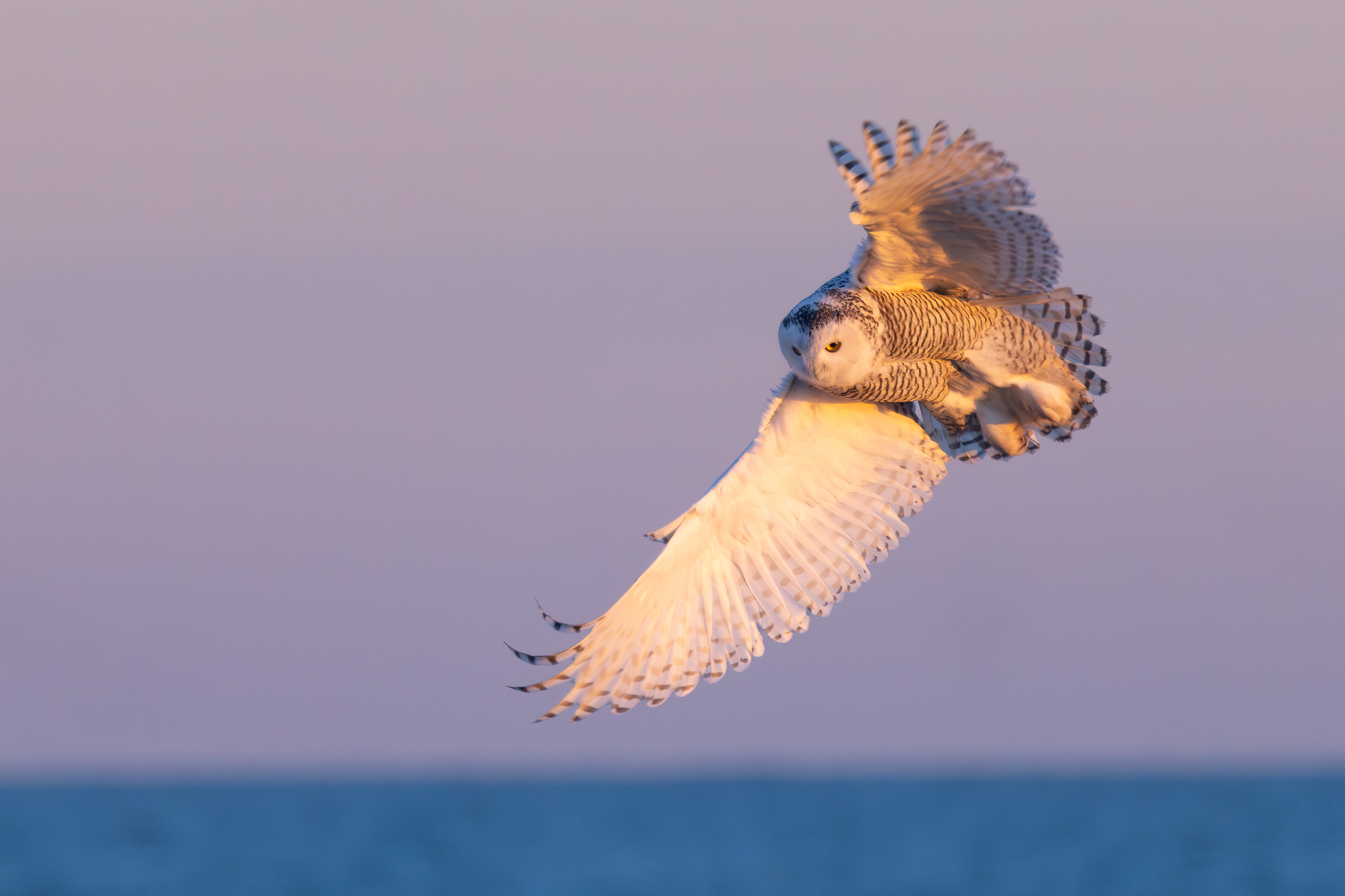
A Rare Winter Gift: Photographing the Snowy Owls Visiting Chicago’s Montrose Beach
Every winter, Chicago gets its share of surprises: sudden lake-effect squalls, icy sunrises over Lake Michigan, and every now and then, something far more magical: the arrival of snowy owls. This year, a pair of snowy owls has been spotted frequenting Montrose Beach and the surrounding dunes, sparking excitement among birders, photographers, and nature-lovers across the city. For those of us who spend our lives chasing wildlife moments, especially ones we never expect to find in an urban environment, this kind of visit feels like a minor miracle.
Snowy owls hold a special place in the imagination. Their stark white plumage, piercing yellow eyes, and silent, powerful presence carry with them the raw spirit of the Arctic tundra. Seeing them against the backdrop of Chicago’s skyline is a reminder that nature is far more resilient and interconnected than we often give it credit for.
In this post, I’ll explore why snowy owls appear in the Great Lakes region, what makes Montrose Beach uniquely suited for them, and most importantly, how to photograph these extraordinary birds ethically and beautifully, with methods I rely on in my own conservation-driven wildlife work.
Why Snowy Owls Visit Chicago
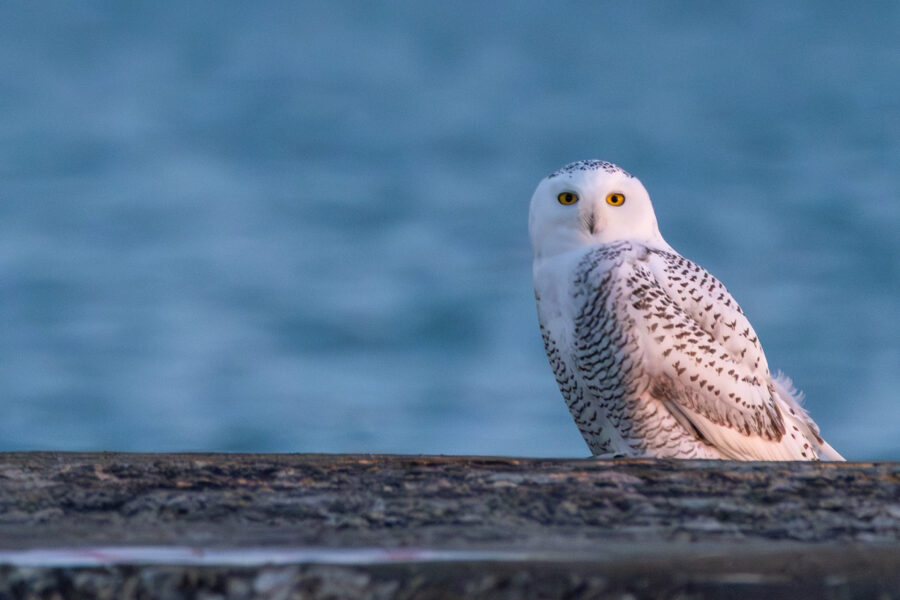
Snowy owls are typically birds of the high Arctic, wide-open tundra, treeless plains, and endless snowfields. But during certain winters, especially during what’s known as an “irruption year,” young owls travel far south in search of food. Irruptions often follow summers when lemming populations boom, producing more chicks than the Arctic can support once winter arrives.
Chicago’s lakefront, with its open beaches, dunes, and broad sightlines, mimics tundra-like habitat surprisingly well. Places like Montrose Beach offer:
-
Abundant prey like mice, voles, and even waterfowl
-
Open, wind-swept ground reminiscent of their native territories
-
Minimal tree cover, giving them the clear vantage points they prefer
-
Wide breakwalls and piers that mimic natural perches
The result? A location that, despite its urban bustle, gives snowy owls a comfortable temporary home.
The Magic of Montrose: A Snapshot of the Setting
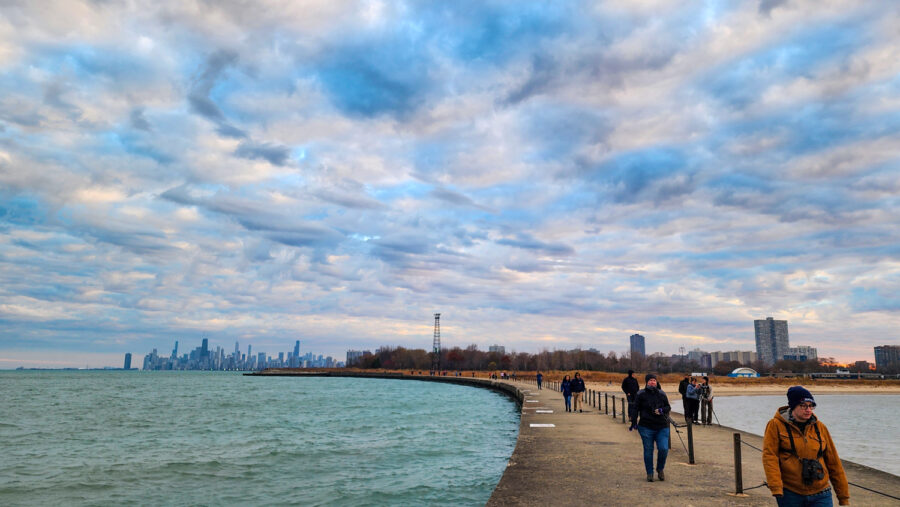
Montrose Beach is one of Chicago’s most important birding hotspots, home to the Montrose Point Bird Sanctuary (“The Magic Hedge”), the Dunes Natural Area, and a thriving community of conservation volunteers. In winter, the landscape transforms into a pale, wind-carved shoreline, offering the perfect foreground for photographing Arctic visitors.
When snowy owls arrive here, they’re often found:
-
Resting on sand dunes and snowy ridges
-
Perched on driftwood or fence posts
-
Hiding low in dune grass
-
Occasionally roosting on the pier or jetties
-
Surveying open water from the breakwall
This variety of environments gives photographers multiple creative opportunities if approached with patience and respect.
Responsible Wildlife Photography Comes First

Before we dive into techniques, one thing cannot be stressed enough: respect for the owl’s well-being must come before any photograph. Snowy owls expend enormous energy during winter, especially when far from their home range. Disturbing or flushing them forces them to burn precious calories.
Here are the core ethical principles I follow and encourage others to follow:
• Keep your distance, use long lenses to bridge the gap.
If the owl is looking repeatedly in your direction, shifting, or appears alert, you are too close.
• Never bait, call, or flush an owl.
These practices are harmful, unethical, and can expose the bird to dangerous situations.
• Stay on designated paths and avoid trampling dune vegetation.
Montrose is a protected natural area with sensitive plant communities.
• Read the owl’s body language.
Relaxed owls sit low, eyes half-closed. Alert owls sit tall and stare. If you change their posture, you’re impacting their behavior.
• Respect the birding community.
Montrose regulars care deeply for these visitors. Follow posted guidance and listen to volunteers on site.
Ethical wildlife photography doesn’t limit your creative possibilities; it elevates them.
Best Practices for Photographing Snowy Owls at Montrose Beach

Snowy owl photography invites creativity, patience, and technical awareness. Here are the techniques I’ve refined over years of photographing wildlife across the world, from mountain gorillas in Rwanda to emperor penguins in Antarctica, and now snowy owls on Chicago’s lakefront.
1. Choose the Right Gear
Snowy owls may appear large, but keeping your distance means you’ll want the right telephoto tools.
Recommended lenses
-
400mm–600mm (prime or zoom) for detailed portraits
-
100–400mm or 200–600mm for versatility
-
1.4x or 2x teleconverters if your lens supports them
These allow you to keep a safe distance while achieving frame-filling shots.
Camera settings
-
Aperture: f/5.6–f/8 for sharpness without losing depth
-
Shutter speed: 1/1000s or faster if the owl is active
-
ISO: Adjust based on light. Chicago winters can be dim
-
AF-C (continuous autofocus) for moving subjects
-
Exposure compensation: Snowy owls can fool your meter; try +0.3 to +1.0 in snowy scenes

Winter light along Lake Michigan is soft, golden, and unforgettable when used intentionally.
Golden hour (the ideal)
The rising sun casts warm, low light across the dunes. Snowy owls glow beautifully in this light, and shadows add depth to your frame.
Blue hour
Just before sunrise or after sunset, blue hour creates an ethereal Arctic-style ambiance perfect for conveying the owl’s northern origins.
Midday
While often harsh, midday light can work if you embrace the contrast. Think high-key images with bright whites and stark shadows.
3. Use the Environment, Not Just the Owl
Some of the most compelling wildlife images show animals in context.
At Montrose, this means:
-
Wide-angle shots with the Chicago skyline in the distance
-
Owls perched against frozen lakefront textures
-
Snowy dunes and beach fences frame the composition
-
Minimalist snowy landscapes with the owl as a small element
These images tell a richer, more unexpected story: Arctic wildlife meeting urban Midwest.
4. Stay Low – But Stay Respectful
Photographing from a lower angle creates intimacy and power, but never approach so close that the owl changes its behavior.
Tips for low-angle shooting:
-
Position yourself at a distance, then settle low and stay still
-
Use long lenses to close gaps without moving forward
-
Shoot through dune grass for soft foreground effects
-
Avoid sudden movement; let the owl relax
This technique produces some of the most immersive images possible.
5. Be Patient – Wildlife Moments Are Earned
Patience is the one piece of equipment that can’t be bought. Sometimes the most unforgettable photographs happen only after hours of waiting.
I’ve spent entire days in freezing conditions waiting for a single behavior: a blink, a wing stretch, a takeoff. Snowy owls tend to sit for long periods, but when they move, you’ll want to be ready.
Behavior to watch for:
-
Head bobbing before flight
-
Fluffing feathers before repositioning
-
Scanning (potential hunting behavior)
-
Sudden posture shift (indicates alertness or movement)
Great wildlife photography is usually 90% patience, 10% timing.
Understanding Snowy Owl Behavior Helps You Photograph Better
A few insights make a huge difference in predicting movements:
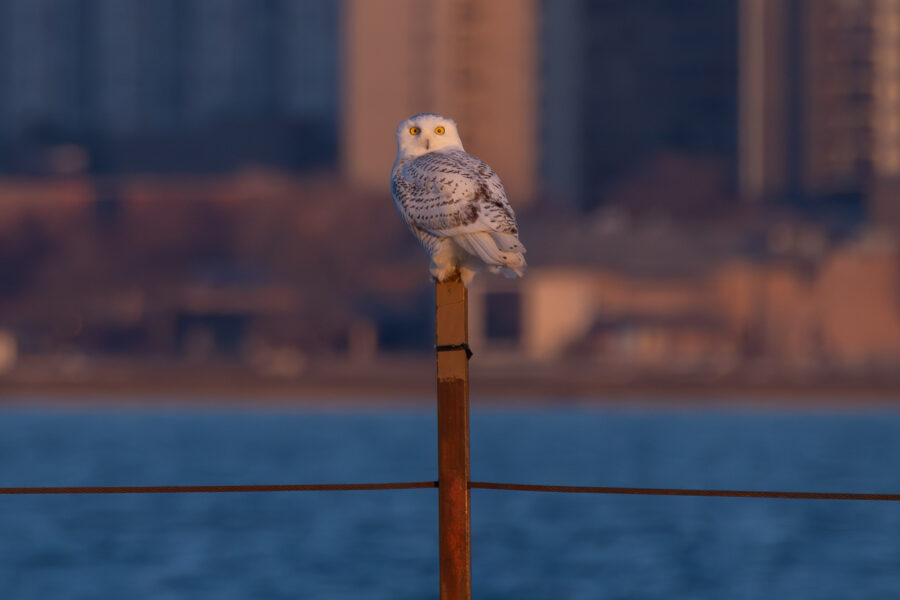
They prefer elevated perches.
Driftwood, posts, ridges, and even beach garbage cans provide them with vantage points for hunting.
They hunt in daylight.
Snowy owls are diurnal, meaning mid-day action is absolutely possible.
Wind direction matters.
Owls often take off into the wind. Position yourself accordingly.
They rest often.
Much of your photography will feature a stationary owl, so focus on composition, light, and environmental storytelling.
Where to Look at Montrose (Without Disturbing Habitat)
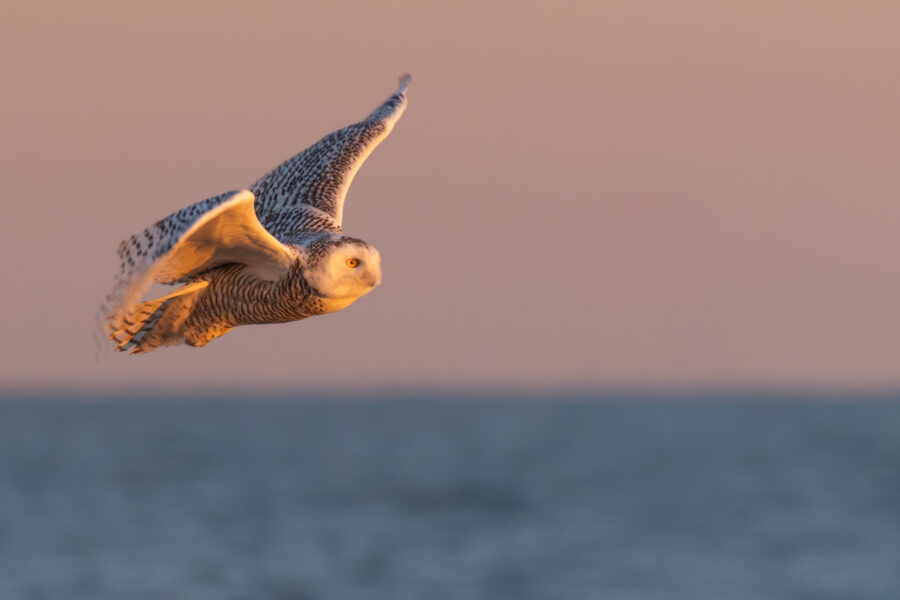
Montrose Beach is a protected and sensitive area. Stay on public paths and open sand, and avoid the fenced-off dune restoration zones.
Common owl locations include:
-
The Montrose Dunes Natural Area edge (do not enter fenced habitats)
-
The open beach near the restrooms
-
Snowy ridges along the northeastern section of the beach
-
Driftwood piles left by winter storms
-
The pier and breakwall
Pro tip: Follow experienced birders, not the bird. When crowds gather at the dunes, keep your distance from the owl and avoid contributing to pressure.
Photographing Ethical Takeoffs and Flight

Flight photos are some of the most dramatic images, but they should never be the result of intentionally flushing the bird. Instead:
-
Watch for natural cues like wing stretching or head bobbing
-
Keep your shutter at 1/2000s or faster
-
Use continuous shooting mode
-
Pre-focus in the direction the owl is facing
-
Stay behind the crowd so you aren’t blocking the owl’s escape path
If the owl takes off because people got too close, that is a missed opportunity, not a photo op.
Post-Processing Tips for Snowy Owls

Snowy owls have incredible detail in their plumage. Post-processing should highlight that without losing authenticity.
Keep edits natural
Avoid oversharpening; let the owl’s natural beauty carry the image.
Manage white balance
Chicago’s winter light tends to be cool. Adjust gently toward warmth without losing the Arctic feel.
Protect the feather detail
Expose for the highlights during shooting and recover shadows later.
Consider black and white
High-contrast scenes can make for stunning monochrome interpretations.
Why Snowy Owls Matter – And Why Chicago Loves Them

Snowy owls bring people together. Every time they arrive in Chicago, you see families, birders, photographers, and curious passersby braving the cold to catch a glimpse. They spark conversations about conservation, climate pressures, habitat loss, and the wonder that exists right outside our urban walls.
For me, as a photographer whose life’s work centers on using imagery to protect wild places, seeing a snowy owl at Montrose is a reminder that wildness is not a distant concept; it is something we share space with every day.
A Note on the Endangered Piping Plovers at Montrose Beach

No conversation about wildlife at Montrose Beach would be complete without acknowledging one of Chicago’s most beloved and vulnerable residents: the endangered piping plover. These small, sand-colored shorebirds have become symbols of resilience, community action, and urban conservation thanks to the now-famous pair, Monty and Rose, who nested at Montrose Beach beginning in 2019.
Their arrival was historic. Piping plovers had not successfully nested in Chicago for decades. Against all odds, Monty and Rose raised multiple chicks over successive summers, becoming local celebrities and igniting a citywide movement to protect the fragile dune ecosystem they rely on. Even after their passing, their legacy continues to shape how the beach is managed and how visitors interact with wildlife.
Why Snowy Owls and Piping Plovers Belong in the Same Story
It may seem unusual to mention an Arctic owl and a tiny shorebird in the same breath. Still, both species highlight something profound about Montrose Beach: it’s a refuge in the middle of a city of nearly three million people. Despite the noise, the traffic, and the concrete skyline, this little patch of restored dunes sustains life found almost nowhere else in urban America.
Snowy owls remind us of the vastness of nature.
Piping plovers remind us of how fragile they are.
Together, they tell a story about coexistence, conservation, and the importance of fighting for the wild places that still exist within our cities.
If you’re heading to Montrose to photograph the snowy owls this winter, keep an eye out for signs of plovers come spring. Their presence is one of Chicago’s great natural success stories and a reminder that with care, patience, and community action, wildlife and people can thrive together.
Photograph Snowy Owls with Purpose
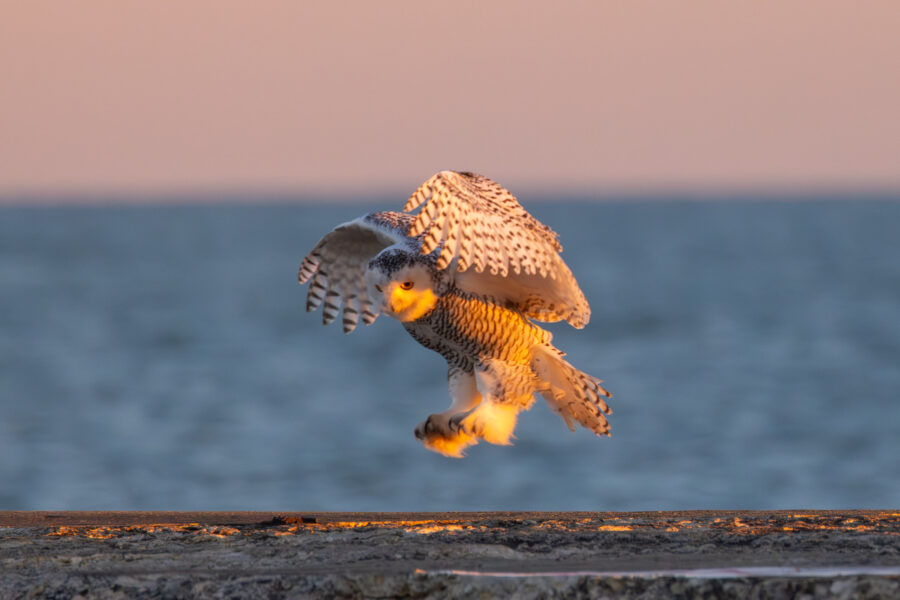
If you’re lucky enough to see one of these owls during their visit to Chicago, take a moment before lifting your camera. Appreciate the privilege. Remember that this bird has traveled thousands of miles from the Arctic tundra and is navigating a human-dominated environment with resilience and quiet dignity.
Your photographs can do more than capture beauty; they can inspire protection. They can help people fall in love with wildlife they might never otherwise see.
So dress warm, pack your longest lens, and head to Montrose early. You might walk away with one of the most meaningful images of your winter.
If you’d like personalized guidance, help identifying owl behavior, or a one-on-one wildlife photography session in Chicago, feel free to reach out. I love helping others learn to photograph wildlife ethically and creatively.
Happy shooting, and may your winter be filled with moments of unexpected wildness.
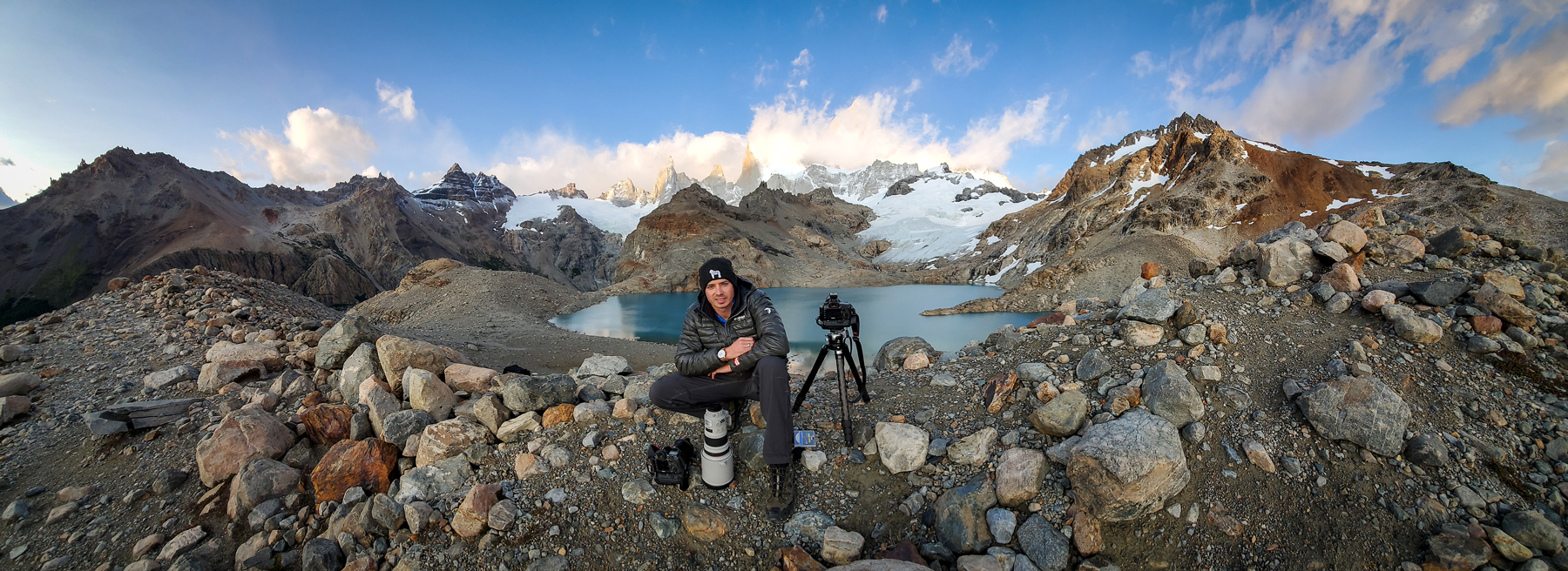
Hello! I'm Derek.
DEREK NIELSEN PHOTOGRAPHY RAISES AWARENESS ABOUT THE GLOBAL NEED FOR CONSERVATION THROUGH PHOTOGRAPHY AND DONATES UP TO 15% OF ALL SALES BACK TO ENVIRONMENTAL ORGANIZATIONS AROUND THE WORLD.