
Climate Change Across All Seven Continents | Why It Matters More Than Ever
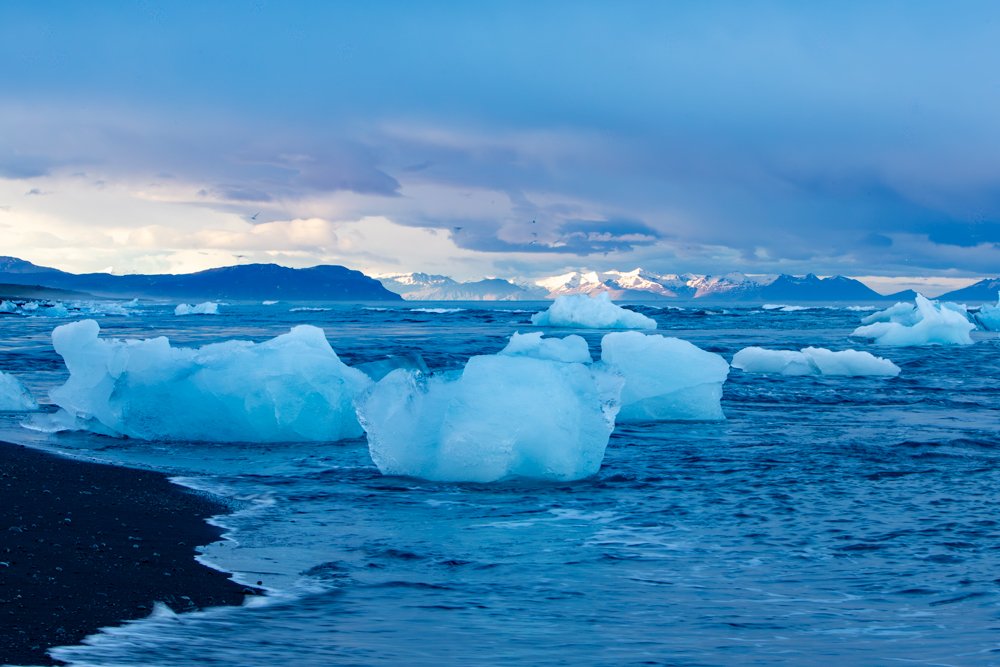
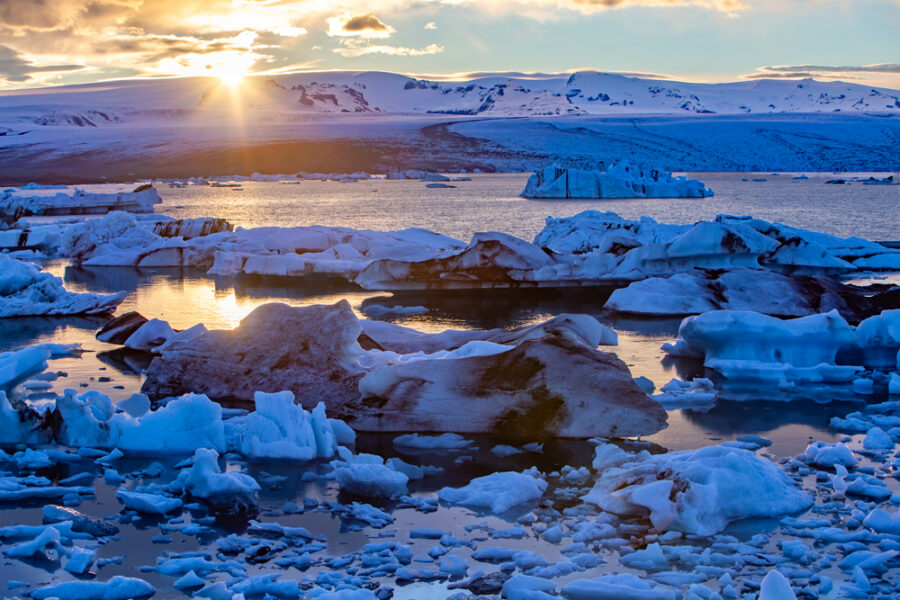
There are moments in photography when the truth is undeniable. A glacier that once filled the frame now recedes into the distance. A landscape that should be frozen feels strangely alive with meltwater. A coastline shifts, a forest burns, a species disappears not dramatically, but quietly, almost politely, as if hoping we won’t notice. But we do notice. And yet, what makes climate change so dangerous is not just what we can see it’s what we can’t. This is not a distant issue. It’s not theoretical. It’s not political. It is happening everywhere, all at once, in ways both obvious and deeply hidden. From the polar extremes of Antarctica to the tropical reefs of Australia, from the forests of South America to the urban heat islands of North America every continent tells a piece of the same story. This is that story.
What Is Actually Causing Climate Change?
At its core, climate change is a physics problem.
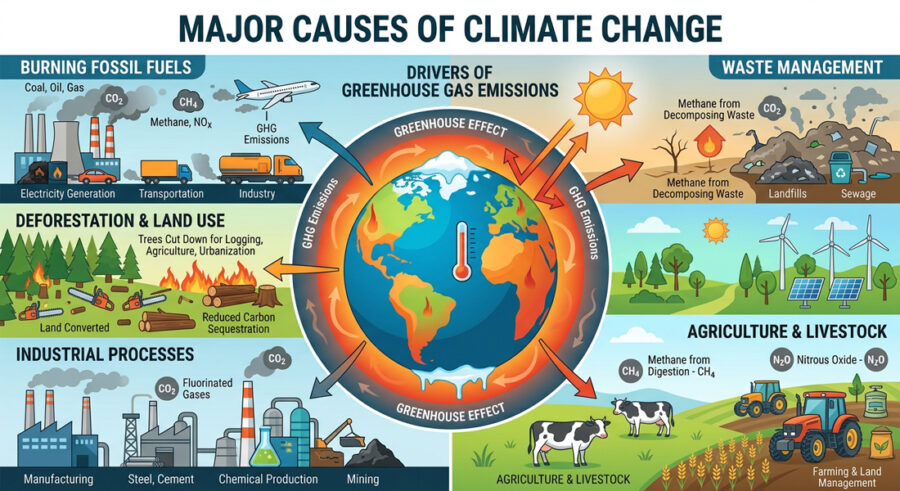
The Earth’s atmosphere traps heat from the sun this is known as the Greenhouse Effect, and without it, life as we know it wouldn’t exist. But human activity has intensified this effect beyond its natural balance.
The primary driver? Greenhouse gases especially carbon dioxide (CO₂), methane (CH₄), and nitrous oxide (N₂O).
Where do they come from?
- Burning fossil fuels (coal, oil, natural gas)
- Deforestation
- Industrial agriculture
- Cement and steel production
- Transportation systems built around extraction and consumption
Since the Industrial Revolution, atmospheric CO₂ levels have increased by over 50%. That might sound small, but in climate systems, it’s the difference between stability and disruption. And disruption is exactly what we’re seeing.
Who Is Responsible?
This is where the conversation gets uncomfortable and important. Responsibility is not evenly distributed. Historically, industrialized nations particularly the United States and countries across Europe have contributed the majority of cumulative emissions. These emissions built economies, infrastructure, and wealth. Today, emerging economies like China and India are among the largest annual emitters, largely due to rapid industrial growth and global demand for goods.
But responsibility isn’t just national it’s systemic:
- Corporations driving fossil fuel extraction
- Policy frameworks that subsidize carbon-intensive industries
- Consumer cultures built on overconsumption
- Infrastructure that limits sustainable alternatives
Climate change is not caused by individuals alone but individuals are part of the system that sustains it.
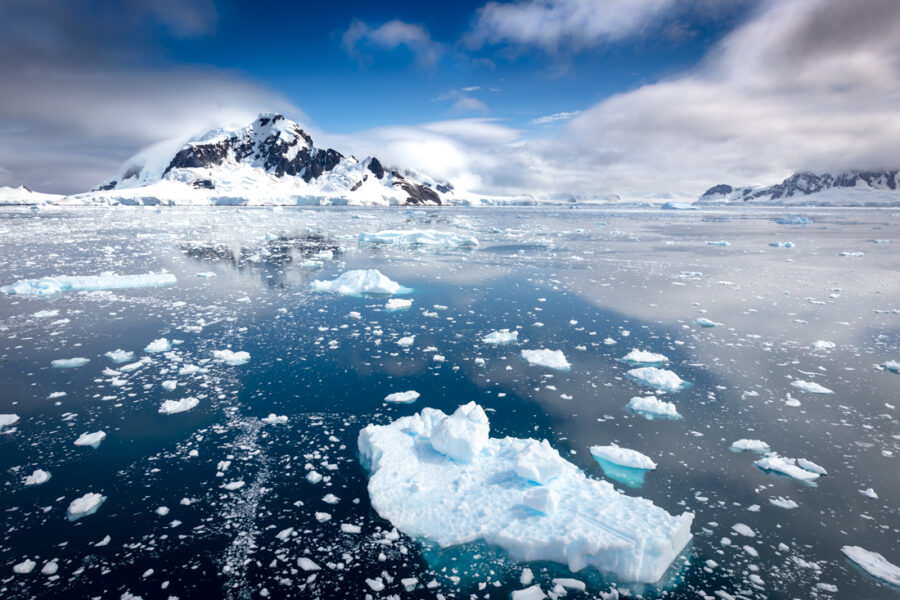
Last Frontier – Limited Edition Fine Art Print of 6 – Derek Nielsen Photography
Antarctica: The Illusion of Permanence
Antarctica feels eternal. It is vast, white, and seemingly unchanging. It isn’t.
The obvious:
Ice sheets are losing mass at accelerating rates. Glaciers are calving into the ocean more frequently. Sea ice extent is shrinking.
The not-so-obvious:
- Warmer ocean currents are melting ice from below
- Ice shelf destabilization can trigger irreversible collapse
- Melting freshwater is altering ocean circulation systems
What happens in Antarctica doesn’t stay there. It reshapes global sea levels and weather patterns.
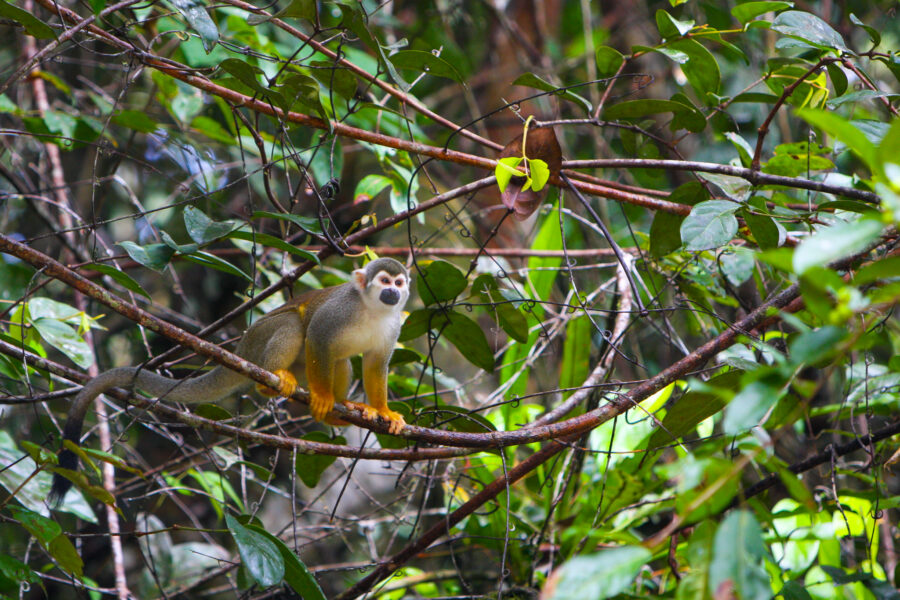
South America: The Lungs Under Pressure
The Amazon Rainforest is often called the lungs of the Earth.
But those lungs are struggling.
The obvious:
- Deforestation for agriculture and cattle ranching
- Increased wildfires
- Habitat destruction
The not-so-obvious:
- The Amazon is nearing a tipping point where it may shift from rainforest to savanna
- Reduced rainfall cycles affect agriculture far beyond the region
- Carbon storage capacity is declining meaning it absorbs less CO₂
This isn’t just about trees. It’s about the stability of the global climate system.
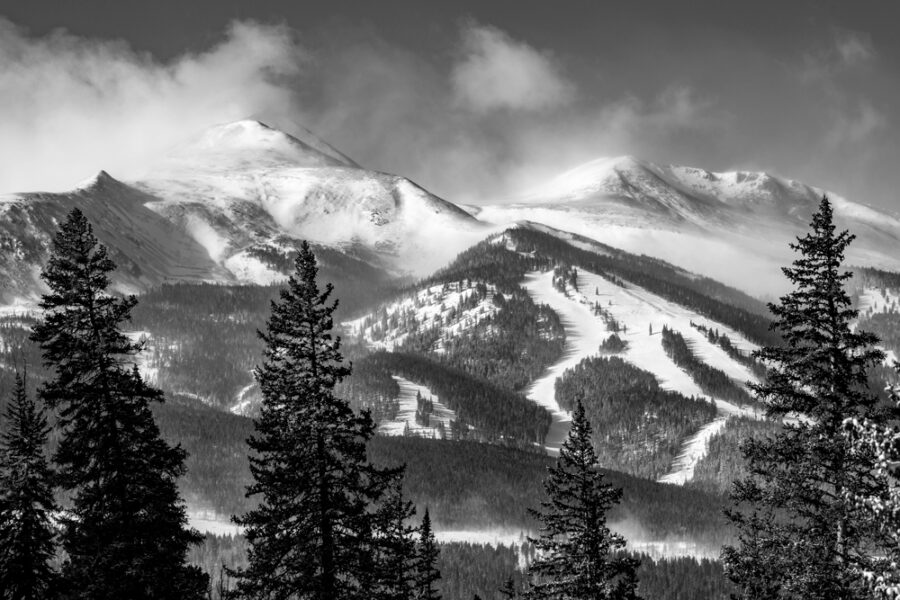
North America: Extremes Become the Norm
From wildfires in the west to hurricanes in the southeast, North America is experiencing climate change in high definition.
The obvious:
- Intensifying wildfires in places like California
- Stronger hurricanes along the Gulf Coast
- Melting Arctic ice in Alaska
The not-so-obvious:
- Urban heat islands making cities significantly hotter than surrounding areas
- Shifting agricultural zones affecting food production
- Water scarcity in regions dependent on snowpack
Climate change here often looks like “bad luck.” It’s not.
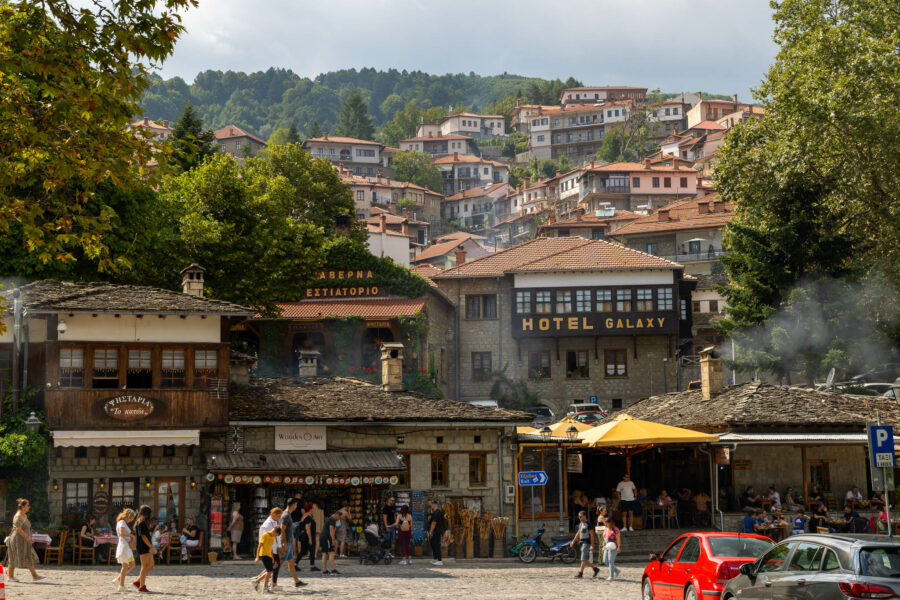
Europe: A Continent of Cascading Impacts
Europe is warming faster than the global average.
The obvious:
- Heatwaves breaking historical records
- Flooding in central regions
- Glacial retreat in the Alps
The not-so-obvious:
- Energy systems strained by temperature extremes
- Increased mortality among vulnerable populations
- Cultural heritage sites at risk from climate-driven decay
Climate change is not just environmental it’s societal.
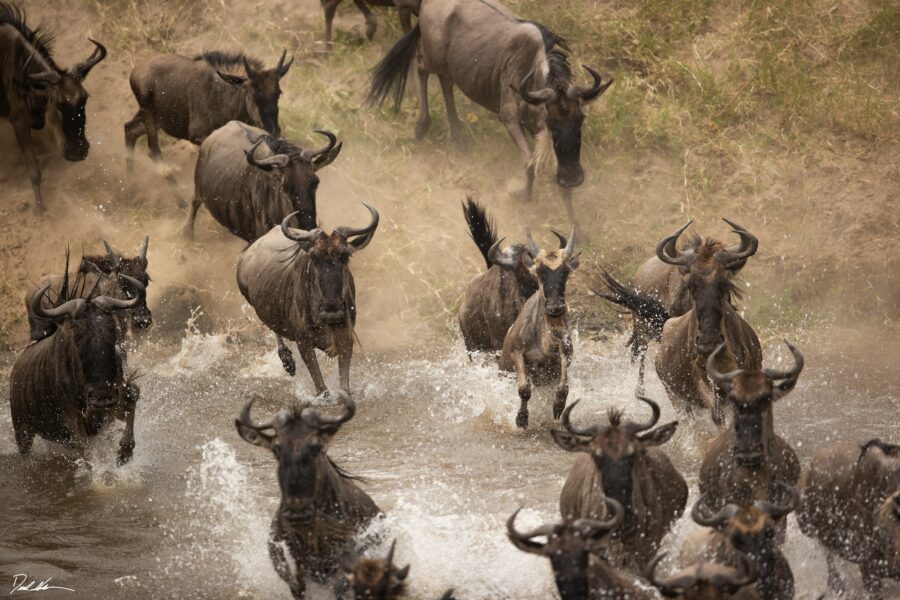
Africa: The Frontlines of Vulnerability
Africa contributes the least to global emissions, yet faces some of the most severe impacts.
The obvious:
- Prolonged droughts
- Desertification
- Food and water insecurity
The not-so-obvious:
- Climate-driven migration and displacement
- Increased conflict over resources
- Loss of biodiversity at alarming rates
This is where climate justice becomes real.
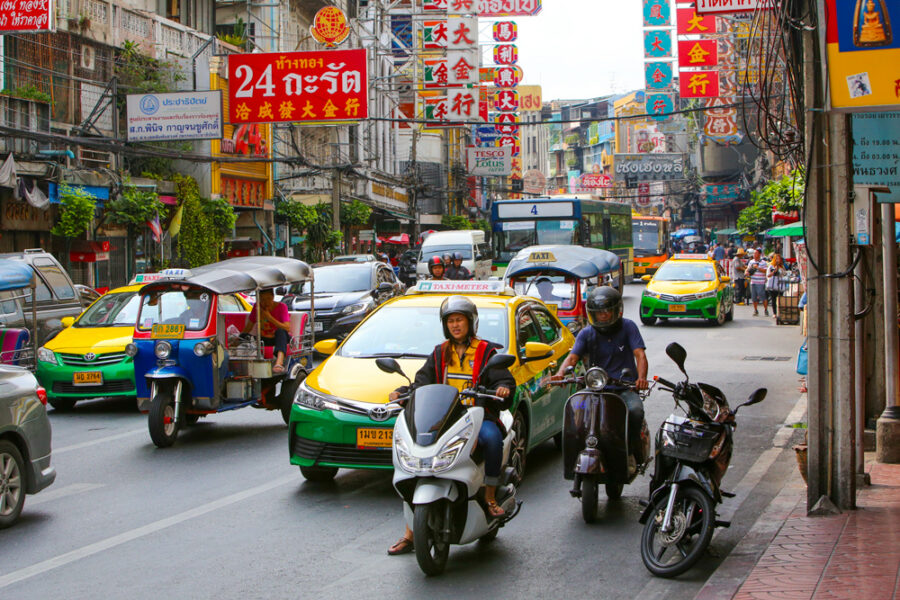
Asia: Scale and Complexity of Climate Change
Asia is home to over half the world’s population, making climate impacts here both massive and complex.
The obvious:
- Flooding in countries like Bangladesh
- Heatwaves in India
- Glacial melt in the Himalayas
The not-so-obvious:
- Air pollution interacting with climate systems
- Disruption of monsoon patterns affecting billions
- Economic ripple effects across global supply chains
What happens here affects the entire world.
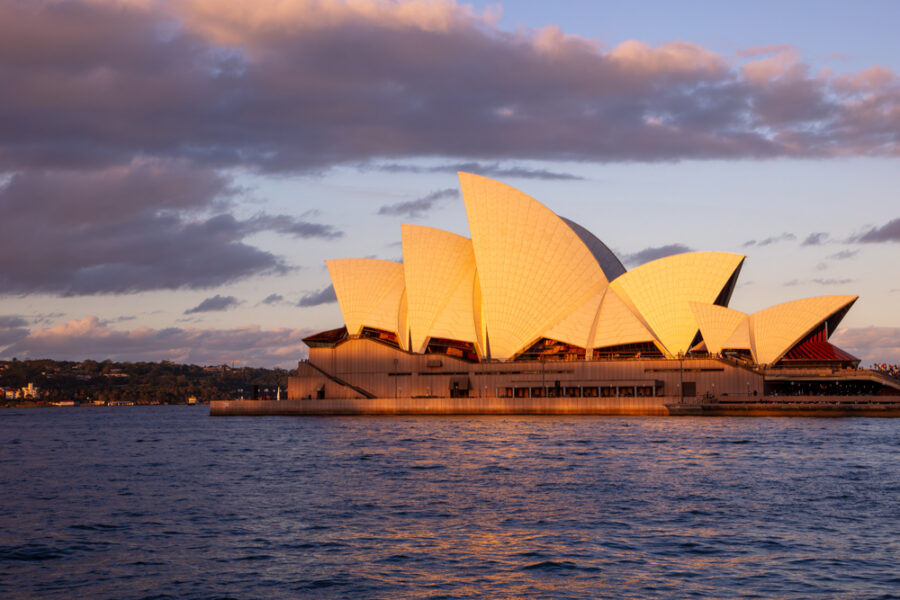
Australia: Fragile Ecosystems Under Stress
Australia is a continent of extremes and climate change is amplifying them.
The obvious:
- Bushfires of unprecedented scale
- Coral bleaching in the Great Barrier Reef
- Prolonged droughts
The not-so-obvious:
- Ocean acidification weakening marine ecosystems
- Loss of species found nowhere else on Earth
- Feedback loops between fire and vegetation loss
This is biodiversity under pressure.
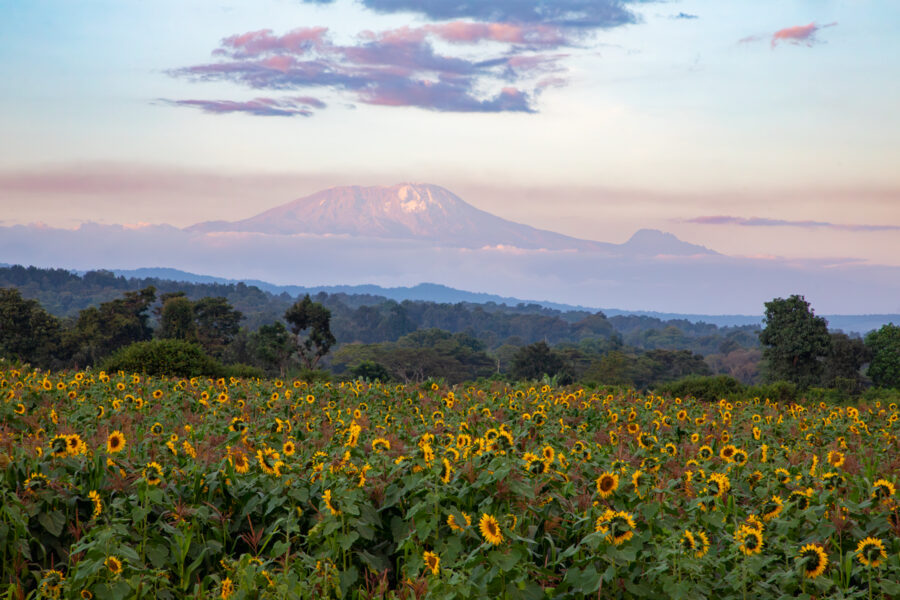
The Less Obvious Global Impacts
Beyond geography, there are effects that are harder to see but equally critical:
1. Ocean Acidification
As oceans absorb CO₂, their chemistry changes, making it harder for marine life to build shells and skeletons.
2. Feedback Loops
Melting ice reduces reflectivity, causing more heat absorption, leading to more melting.
3. Permafrost Thaw
Frozen ground releases methane a greenhouse gas far more potent than CO₂.
4. Psychological Impacts
Eco-anxiety is real. The emotional toll of environmental loss is growing.
5. Economic Instability
Climate change disrupts supply chains, increases insurance costs, and threatens livelihoods.

What Can We Actually Do About It?
This is the question that matters most. And the answer is both simpler, and harder, than we’d like.
System-Level Change
- Transition to renewable energy
- Electrify transportation
- Reform agricultural systems
- Invest in climate-resilient infrastructure
- Enforce stronger environmental policies
Corporate Responsibility
- Reduce emissions across supply chains
- Invest in sustainable innovation
- Shift away from extractive business models
Individual Action (That Actually Matters)
- Vote for climate-conscious policies
- Reduce consumption (not just emissions)
- Support sustainable businesses
- Use your voice, especially if you have a platform
And if you’re a photographer: Tell the story.
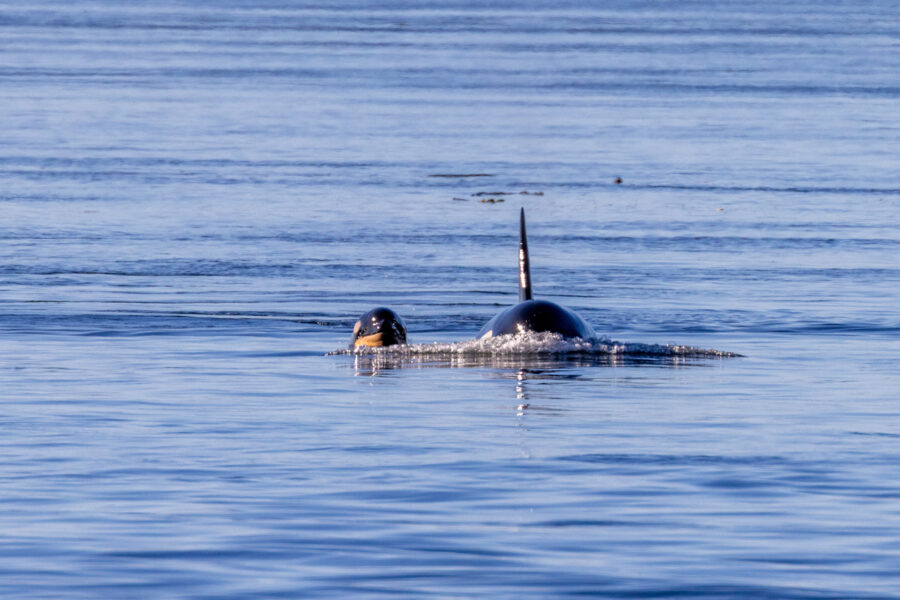
Why Photography Still Matters
In a world flooded with data, charts, and statistics, images cut through. They don’t argue, they show, they connect, and make the invisible visible. A photograph can capture the retreat of a glacier, the resilience of a species, the quiet devastation of a landscape, and translate it into something human. Something felt. And that feeling is what drives change.
Now What?
Climate change is not just an environmental crisis. It is a storytelling crisis. I truly believe climate change has a PR problem. The science is clear. We just need to do a better job of helping people understand. The challenge is not that we don’t have enough information. It’s that we haven’t fully connected to what it means. Across all seven continents, the story is unfolding, sometimes dramatically, sometimes quietly, but always persistently. The question is not whether we will see it. The question is whether we will choose to act on what we see, and what we don’t.
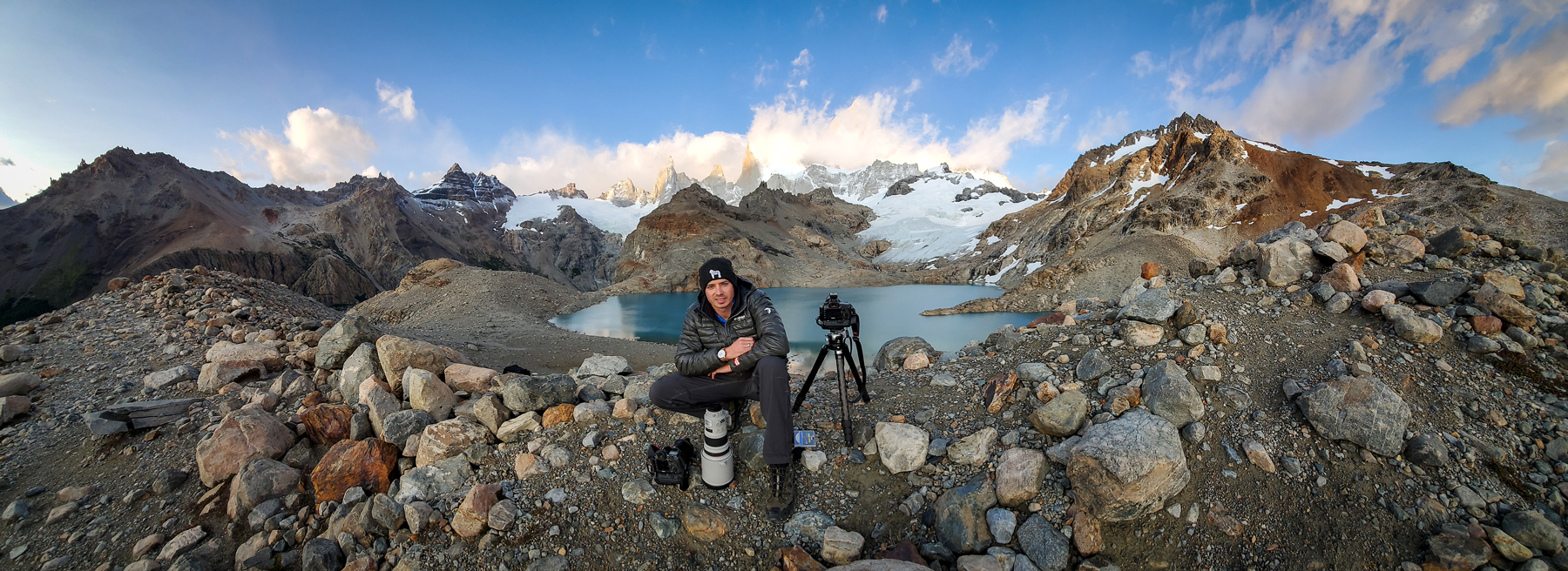
Hello! I'm Derek.
DEREK NIELSEN PHOTOGRAPHY RAISES AWARENESS ABOUT THE GLOBAL NEED FOR CONSERVATION THROUGH PHOTOGRAPHY AND DONATES UP TO 15% OF ALL SALES BACK TO ENVIRONMENTAL ORGANIZATIONS AROUND THE WORLD.