
Exploring Corcovado National Park, Drake Bay, and One of the Most Biodiverse Places on Earth
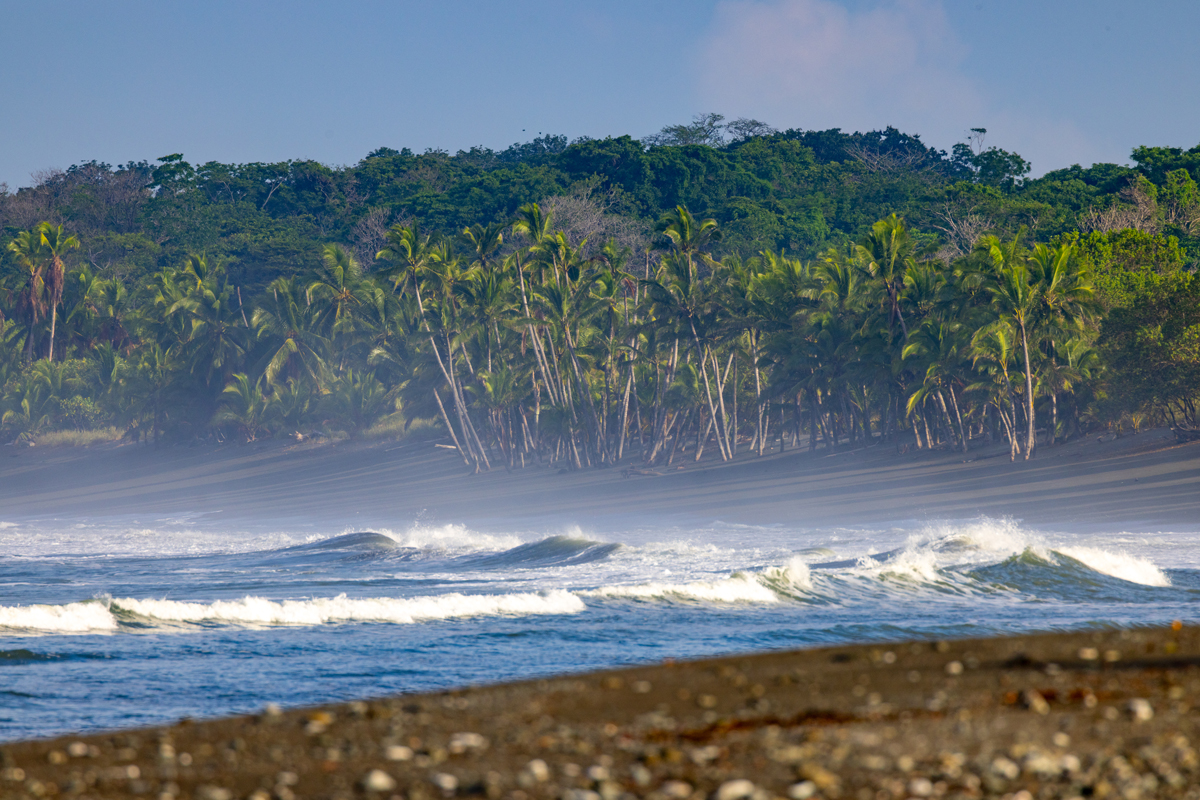
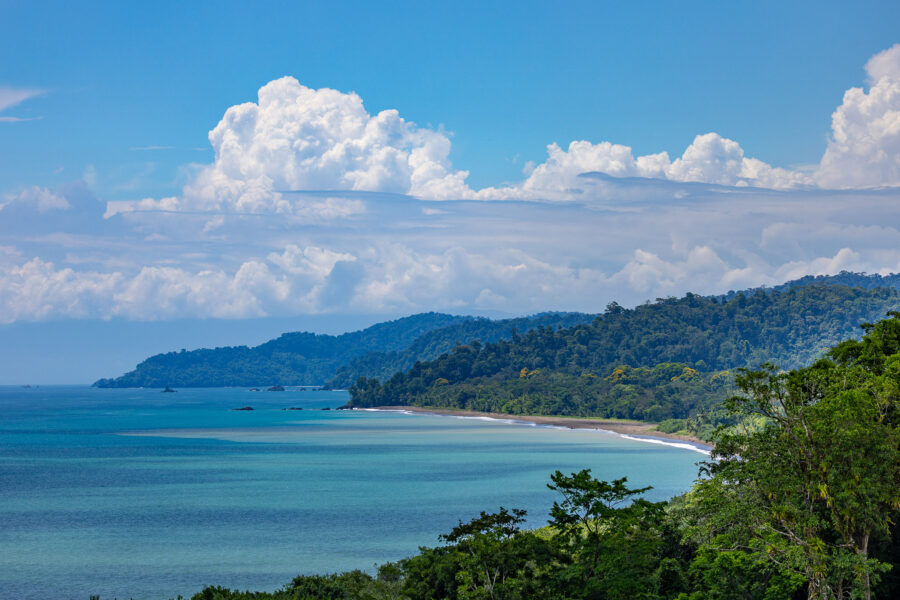
There are places in the world that feel wild. Then there are places that remind us what the world looked like before humanity reshaped it. Costa Rica’s Osa Peninsula is one of those places. Located on the country’s remote southwestern Pacific coast, the Osa Peninsula is often described as the crown jewel of Costa Rica’s conservation efforts. Home to vast stretches of primary rainforest, pristine beaches, mangrove estuaries, and coral-rich waters, it contains an astonishing concentration of life. At its heart lies Corcovado National Park, widely regarded as the most biologically intense place on Earth.
For photographers, naturalists, birdwatchers, and anyone seeking a deeper connection to the natural world, the Osa Peninsula offers something increasingly rare in our modern age: the chance to experience a functioning wilderness. Standing beneath towering rainforest giants while scarlet macaws fly overhead, hearing the distant roar of howler monkeys at dawn, or watching a tapir emerge from the shadows of the jungle feels less like visiting a national park and more like stepping back into a forgotten chapter of Earth’s history.
Yet despite its extraordinary biodiversity and conservation successes, the Osa Peninsula faces growing pressures from development, climate change, illegal resource extraction, and increasing tourism. Like many of our planet’s wild places, its future remains uncertain.
A Peninsula Apart
The Osa Peninsula extends into the Pacific Ocean like a green spear, separated from the rest of Costa Rica by rugged mountains and dense forests that historically made access difficult. That isolation became one of its greatest strengths.
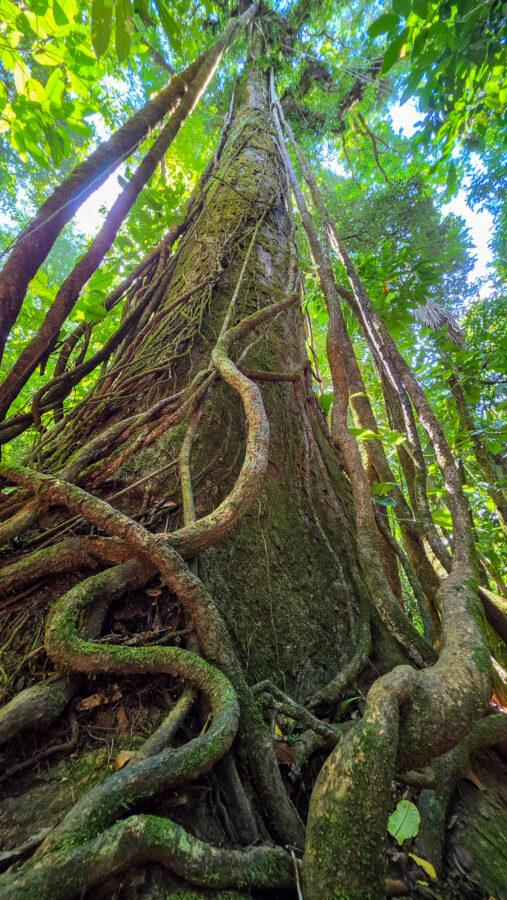
While much of Central America experienced widespread deforestation throughout the twentieth century, large portions of the Osa remained relatively intact. Today the peninsula protects nearly 2.5% of all biodiversity found on Earth within a remarkably small geographic area.
The region receives over 200 inches of rain annually in some locations, creating ideal conditions for lush tropical rainforest. Massive ceiba trees tower above the canopy while vines, orchids, bromeliads, fungi, insects, amphibians, reptiles, birds, and mammals occupy every ecological niche imaginable.
Scientists have recorded:
- More than 500 tree species
- Nearly 400 bird species
- Over 140 mammal species
- Hundreds of butterfly species
- Thousands of insect species
- Four species of sea turtles
- Three species of monkeys
- Hundreds of fish and marine organisms offshore
Few places on Earth rival this density of life. In fact, the National Geographic Society once referred to the Osa Peninsula as “the most biologically intense place on Earth.” Walking through these forests, it is easy to understand why. Life exists everywhere.
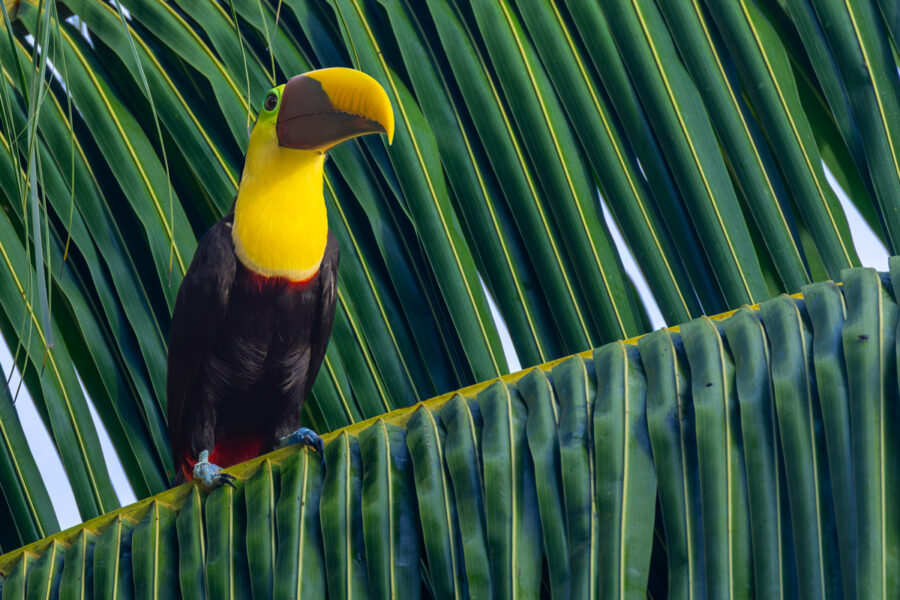
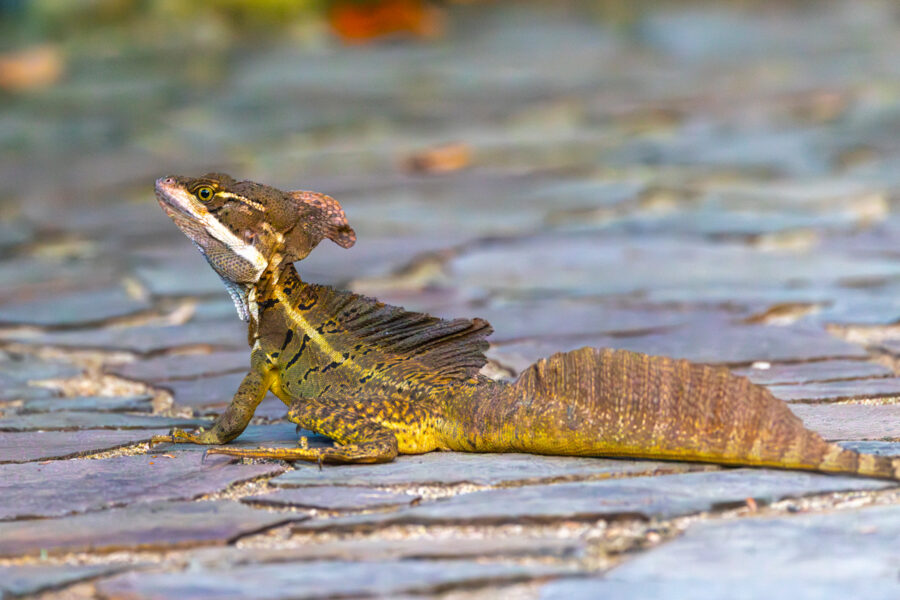
Army ants march across the forest floor. Poison dart frogs hide among fallen leaves. Toucans call from the canopy. Leaf-cutter ants transport fragments of vegetation in endless green highways. Every tree seems alive with movement. Nature here is not a backdrop. It is the main character.
Corcovado National Park: Costa Rica’s Wild Heart
Established in 1975, Corcovado National Park protects approximately 164 square miles (424 square kilometers) of rainforest, coastline, rivers, lagoons, and mountains. Its creation was visionary.
At the time, logging, gold mining, and agricultural expansion threatened many of Costa Rica’s remaining forests. Recognizing the area’s ecological significance, conservationists pushed for protection before it was too late.
The decision would become one of the most important conservation victories in Central America.
Today, Corcovado safeguards one of the largest remaining tracts of Pacific lowland tropical rainforest in the Americas.
The park contains an incredible diversity of habitats:
- Primary rainforest
- Secondary rainforest
- Cloud forest
- Mangroves
- Freshwater rivers
- Coastal wetlands
- Beaches
- Marine ecosystems
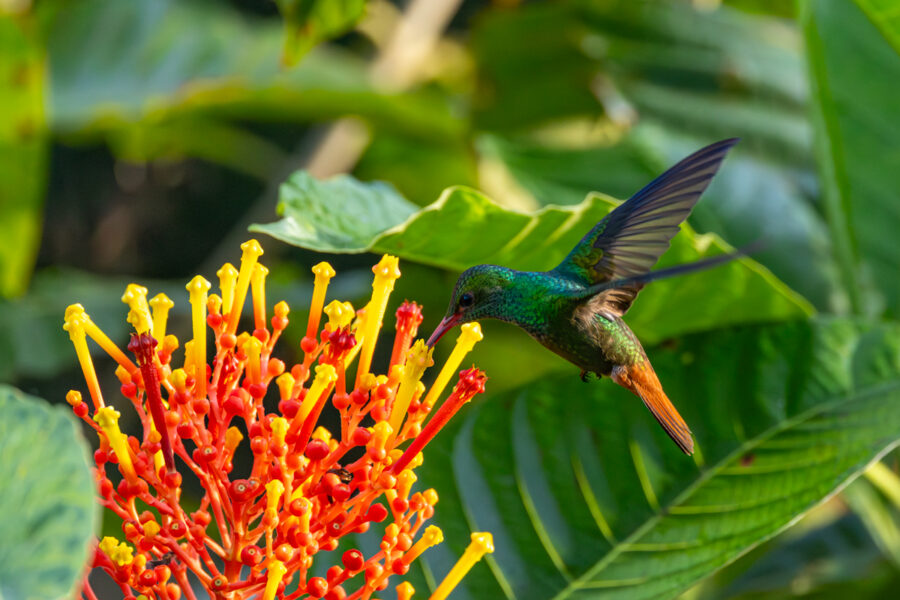
This diversity allows an extraordinary range of wildlife to thrive.
Visitors may encounter:
- Baird’s tapirs
- Jaguars
- Pumas
- Ocelots
- White-lipped peccaries
- Scarlet macaws
- Harpy eagles (rare)
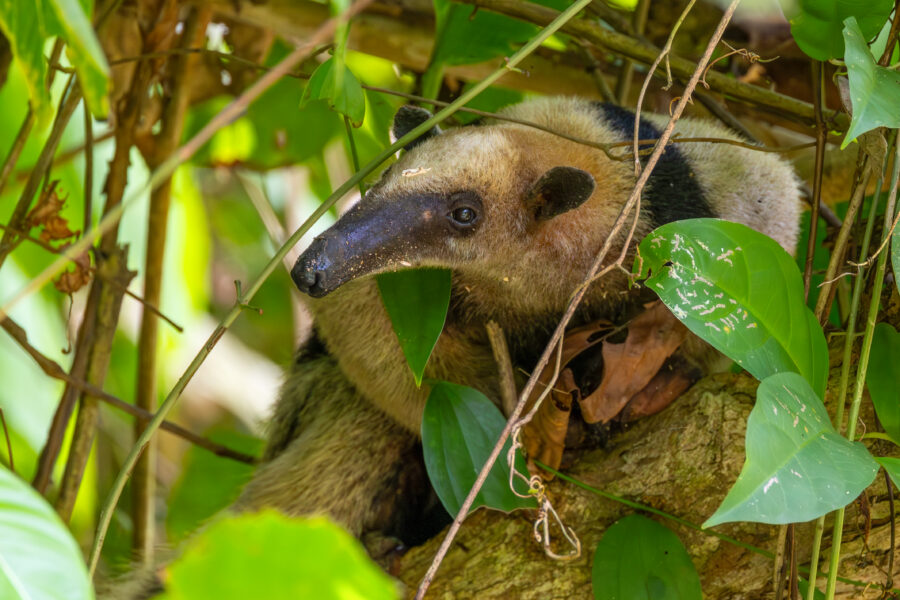
- Anteaters
- Sloths
- Coatis
- Crocodiles
- Four monkey species
Perhaps most remarkable is the presence of large predators. Many tropical forests have lost their apex carnivores due to habitat loss and hunting. Corcovado remains one of the few places in Central America where jaguars still roam relatively intact ecosystems. Though sightings remain rare, their continued presence speaks to the health of the landscape. A forest capable of supporting jaguars is a forest functioning as nature intended.
Drake Bay: Gateway to the Wilderness
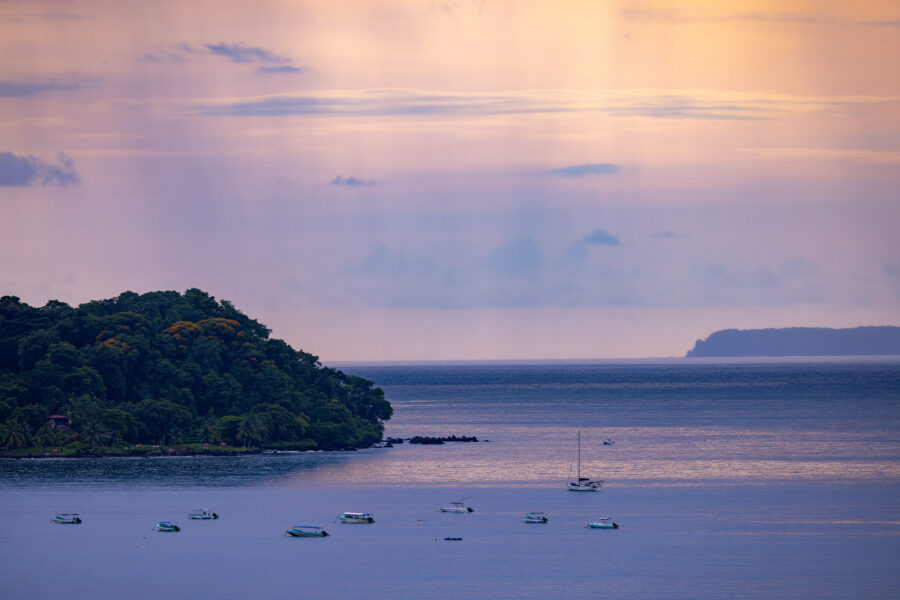
For many travelers, the journey into the Osa Peninsula begins in Drake Bay. Named after English explorer Sir Francis Drake, this small coastal community sits on the northern edge of the peninsula and serves as one of the primary gateways into Corcovado National Park. Unlike many tourist destinations, Drake Bay has retained much of its laid-back character.
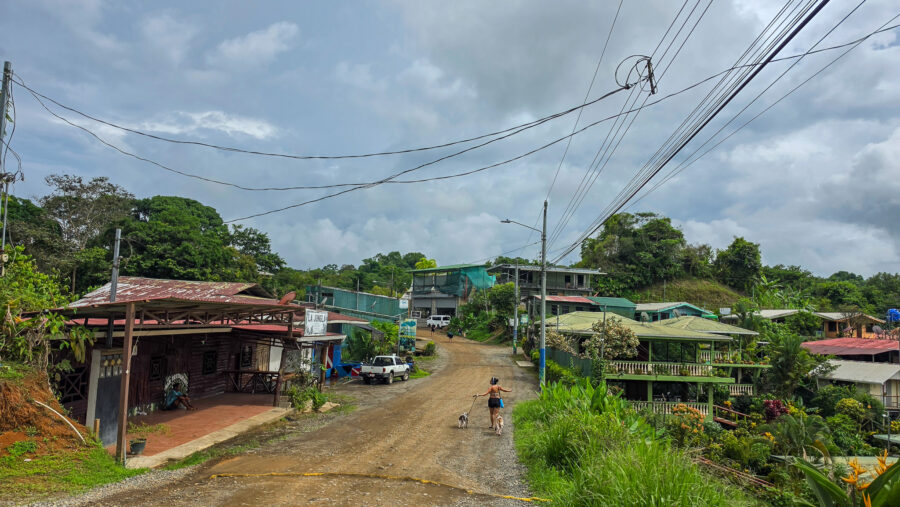
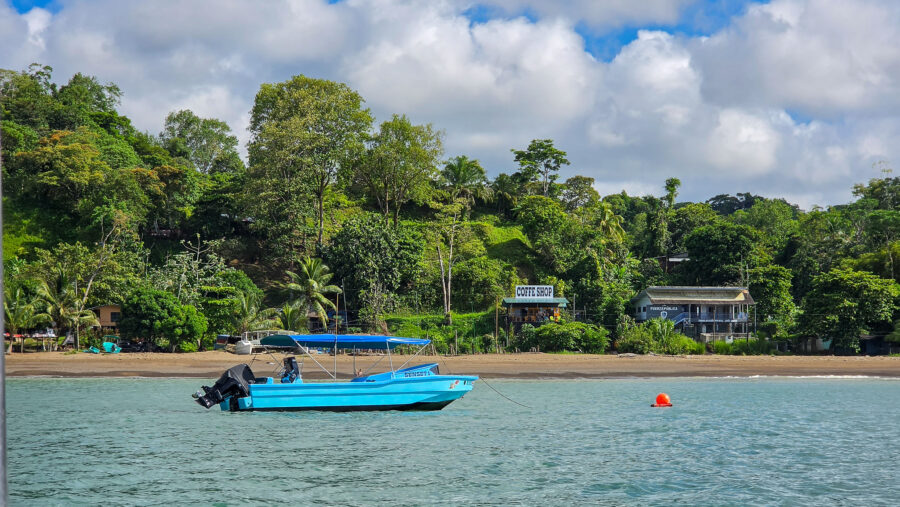
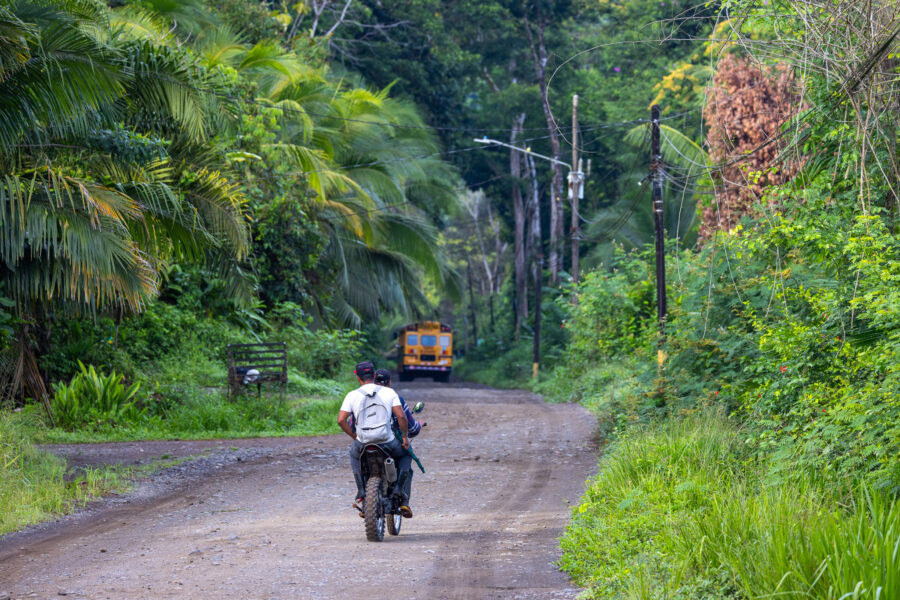
Roads remain rough. Development is relatively modest. Dense rainforest often extends right to the shoreline. The result is a destination where nature remains front and center.
Visitors arriving by boat are often greeted by:
- Brown pelicans diving offshore
- Magnificent frigatebirds soaring overhead
- Scarlet macaws crossing the bay
- Dolphins surfacing nearby
The surrounding forests provide excellent opportunities to observe wildlife even before entering Corcovado. Many travelers report seeing monkeys, toucans, sloths, and macaws directly from lodge grounds. For photographers, this accessibility is remarkable. The wildlife often comes to you.
Getting To Drake Bay, Costa Rica
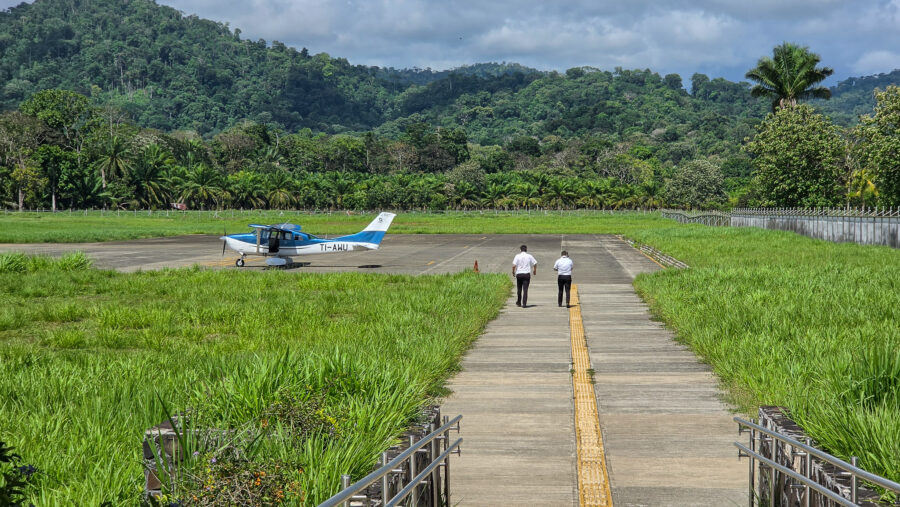
Option 1: Fly to Drake Bay (Fastest and Easiest)
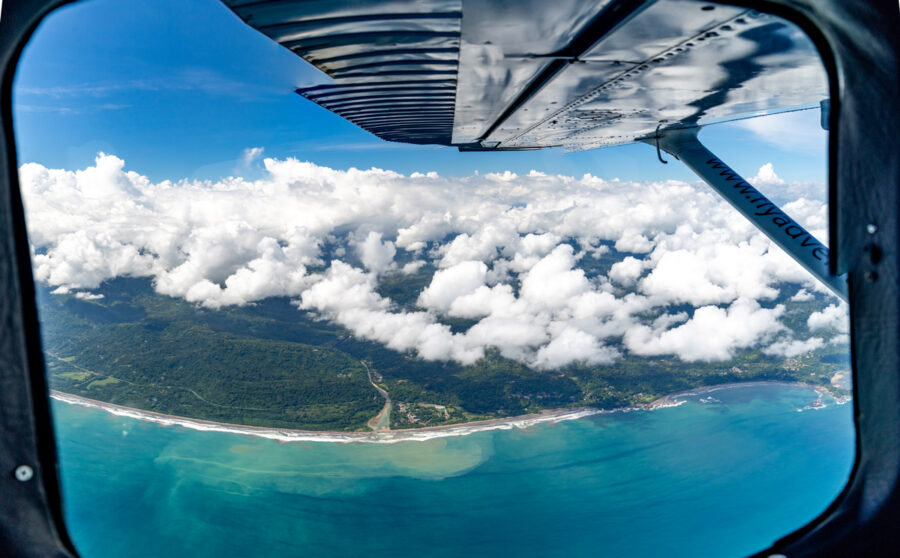
The easiest way to reach Drake Bay is by flying from Juan Santamaría International Airport or a nearby domestic terminal to Drake Bay Airport.
- Flight time: Approximately 45–60 minutes
- Airlines typically use small propeller aircraft
- Spectacular views of rainforests, coastlines, and mountains
- Recommended if you’re carrying photography gear or have limited time
Once you land, most lodges provide transportation from the airstrip.
Option 2: Boat from Sierpe (Most Scenic)
Many travelers consider the boat ride from Sierpe to be part of the adventure.
The journey begins at the Sierpe River dock, passes through one of Costa Rica’s largest mangrove systems, then opens onto the Pacific Ocean and continues along the coastline to Drake Bay.
What to expect:
- Approximately 1–1.5 hours
- Mangroves, birds, crocodiles, and beautiful scenery
- Ocean conditions can occasionally be rough
- Waterproof bags are highly recommended for cameras and electronics
This is the route many visitors staying at lodges such as Aguila de Osa use.
Option 3: Drive (Most Challenging)
Driving is possible during the dry season, but roads can be rough, and conditions can change quickly.
From San José:
- Approximately 7–9 hours depending on conditions
- Four-wheel drive is strongly recommended
- River crossings and muddy roads may be encountered during the rainy season
- Road conditions should always be checked before departure
Most visitors choose to leave their rental car in Sierpe and continue by boat.
The Wildlife of the Osa Peninsula
What makes the Osa Peninsula so extraordinary is not merely the number of species present but the interactions between them.
This is a complete ecosystem. Predators hunt prey. Pollinators sustain forests. Seed dispersers regenerate habitats. Nutrient cycles remain largely intact. Every organism plays a role.
Scarlet Macaws
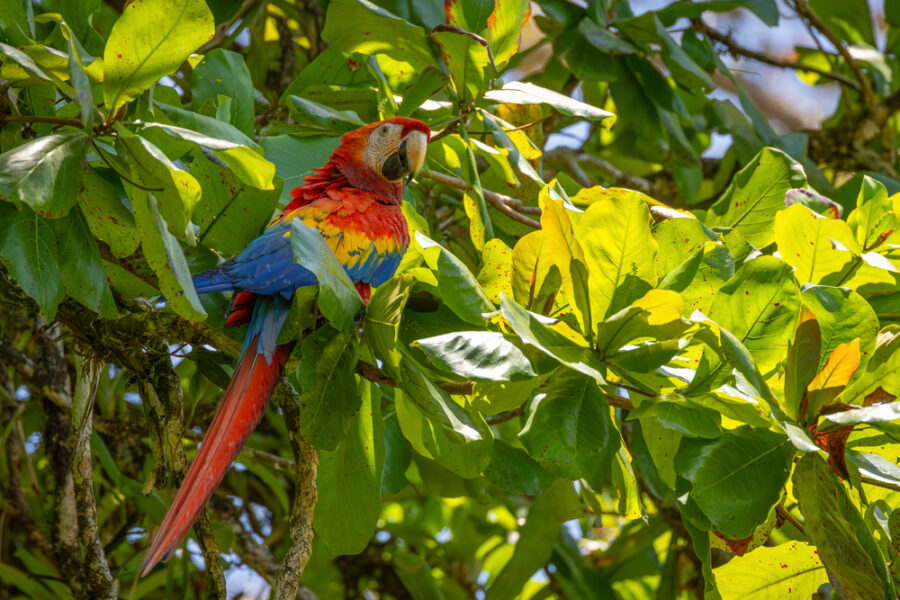
Perhaps the most iconic bird of the region is the scarlet macaw. Once heavily impacted by habitat loss and the pet trade, scarlet macaw populations have rebounded significantly in the Osa Peninsula.
Their brilliant red, yellow, and blue plumage illuminates the rainforest canopy. Watching pairs fly overhead against a backdrop of emerald forest is one of Costa Rica’s most unforgettable wildlife experiences.
Baird’s Tapir
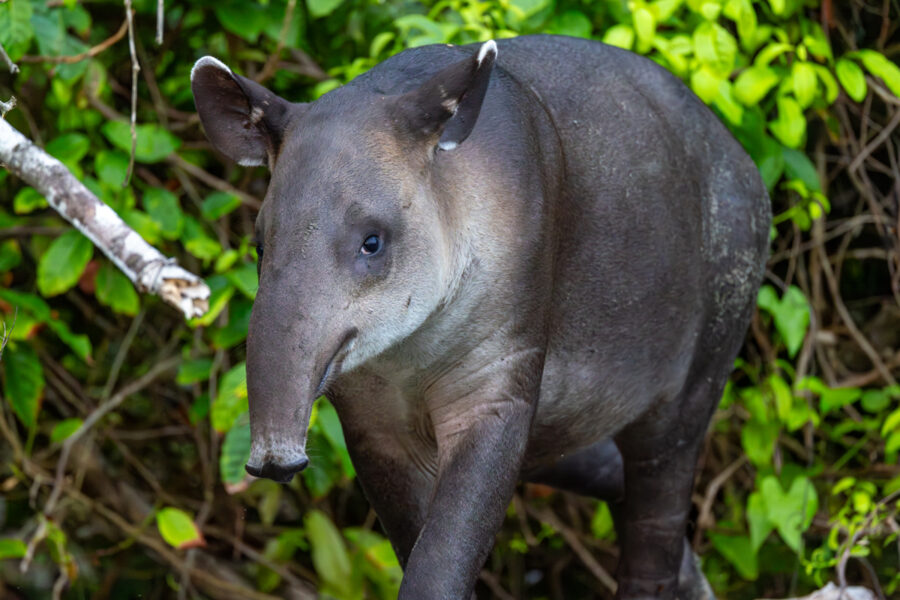
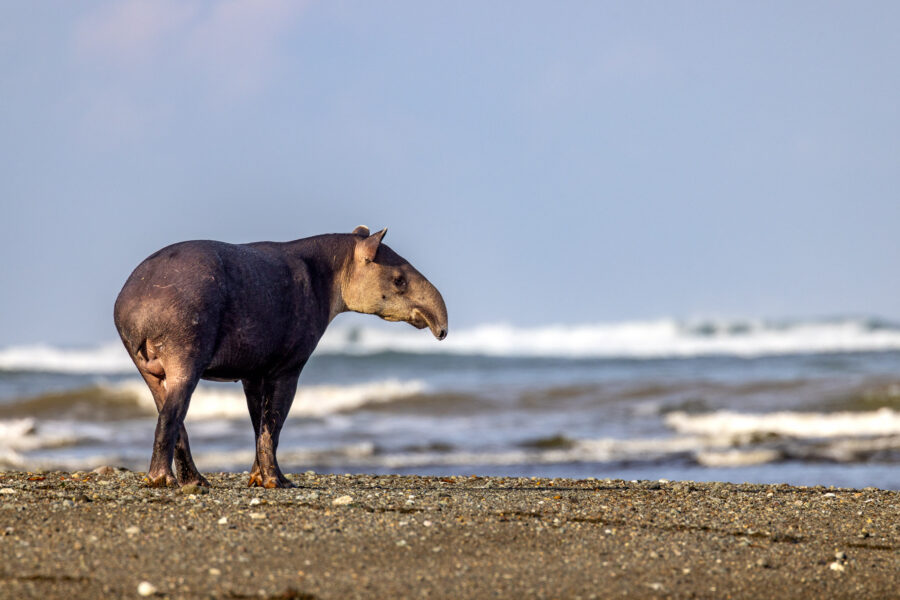
The largest land mammal in Central America, Baird’s tapir serves as a critical seed disperser. Often called “gardeners of the forest,” tapirs help regenerate rainforest ecosystems by transporting seeds across vast distances. Corcovado supports one of the healthiest populations remaining anywhere in the species’ range.
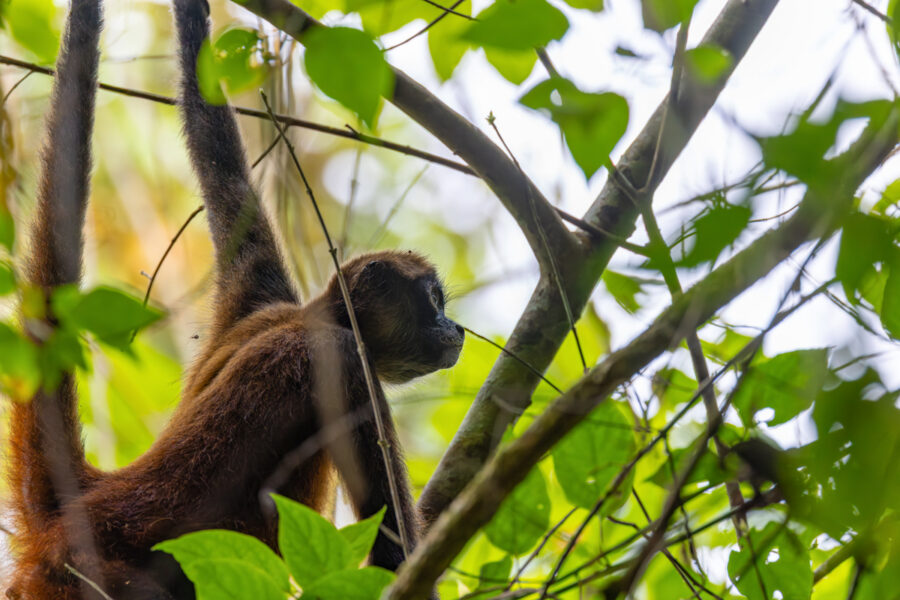
Monkeys
The Osa Peninsula hosts all four monkey species found in Costa Rica:
- Mantled howler monkey
- White-faced capuchin
- Spider monkey
- Squirrel monkey
Each occupies a unique ecological role and offers visitors endless entertainment and insight into rainforest life.
Big Cats
Unfortunately, I didn’t spot any on this trip; they do exist in healthy numbers. Though elusive, jaguars, pumas, ocelots, and jaguarundis inhabit the peninsula. Their presence indicates a healthy food web and sufficient habitat to support large-ranging predators. Few places in Central America can make that claim.
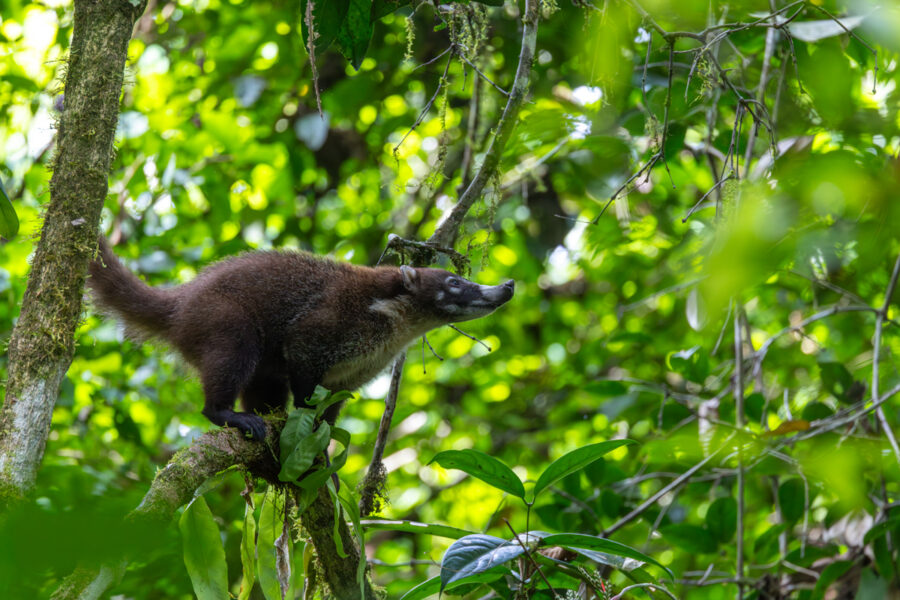
Coatis: The Rainforest’s Curious Foragers
Among the most charismatic mammals of the Osa Peninsula is the white-nosed coati. Often mistaken for a raccoon because of its facial markings and long, ringed tail, the coati is a highly intelligent and social member of the raccoon family that thrives throughout Corcovado National Park and the surrounding forests. Coatis are frequently seen moving through the rainforest floor in noisy groups known as bands, which can consist of a dozen or more females and their young. Adult males typically live solitary lives, joining the groups only during breeding season.
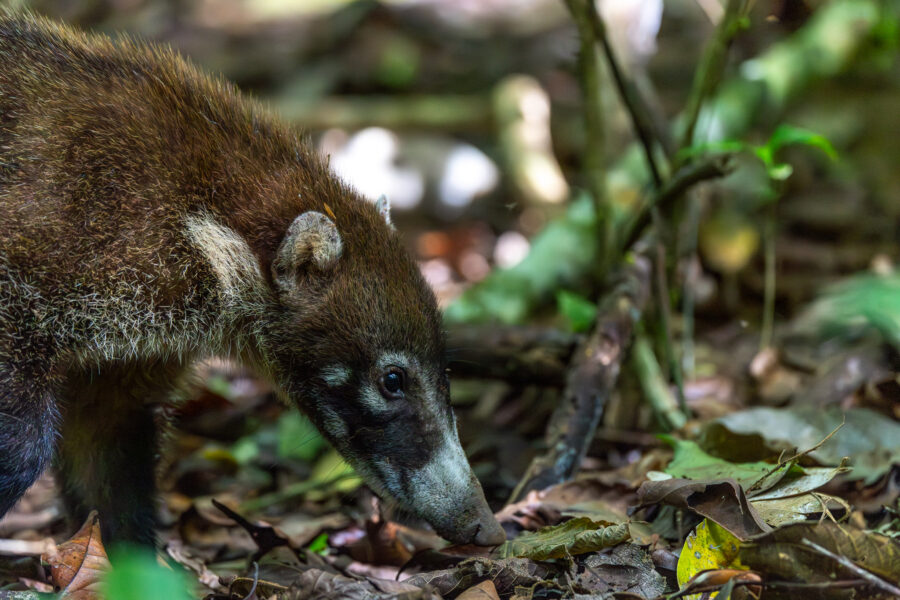
- The white-nosed coati is one of the most commonly seen mammals in the Osa Peninsula and Corcovado National Park.
- A member of the raccoon family, coatis are highly intelligent, social animals that often travel in groups called bands.
- They use their long, flexible snouts to search for insects, fruits, small reptiles, eggs, and other food hidden beneath leaves and fallen logs.
- Their distinctive ringed tails are often held upright as they move through the forest, helping group members stay together in dense vegetation.
- Coatis play an important ecological role by dispersing seeds, controlling insect populations, and serving as prey for larger predators such as jaguars and pumas.
- Active during the day and naturally curious, they are among the most frequently photographed mammals in the Osa Peninsula.
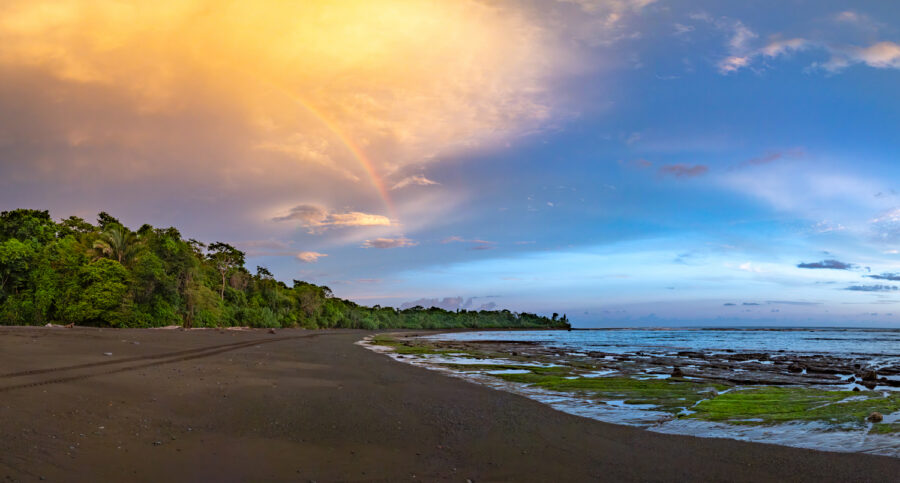
Where the Jungle Meets the Ocean
One of the Osa Peninsula’s most unique characteristics is the proximity of rainforest and marine environments. The forests often extend directly to the shoreline. This creates extraordinary ecological connections. Nutrients flow from rivers into coastal waters. Mangroves provide nursery habitat for fish. Marine species transport nutrients back into terrestrial ecosystems.
Offshore, the waters surrounding Drake Bay and nearby Caño Island Biological Reserve support:
- Dolphins
- Humpback whales
- Sea turtles
- Reef fish
- Rays
- Sharks
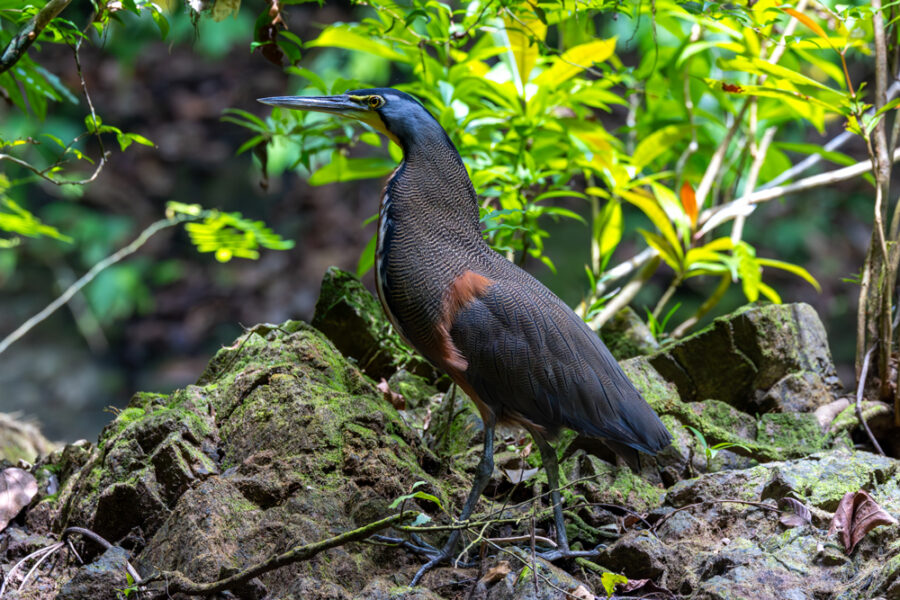
Costa Rica is one of the few places in the world where visitors can witness humpback whales during two separate migration periods each year. The convergence of terrestrial and marine biodiversity creates an experience unlike almost anywhere else. A morning spent photographing monkeys in the rainforest can easily be followed by an afternoon snorkeling among colorful reef fish.
Conservation Success Stories
The Osa Peninsula stands as proof that conservation works. Half a century ago, much of this region faced serious threats from logging, mining, and agricultural expansion. Today, thanks to national parks, biological reserves, private conservation initiatives, and ecotourism, significant portions of the peninsula remain protected.
Costa Rica’s broader conservation model has become internationally celebrated. The country reversed decades of deforestation and now generates substantial economic value through nature-based tourism. Visitors come from around the world specifically because these forests remain intact. Protecting nature has proven economically valuable as well as ecologically essential. The Osa Peninsula represents one of the strongest examples of this philosophy.
The Challenges Facing the Osa Peninsula
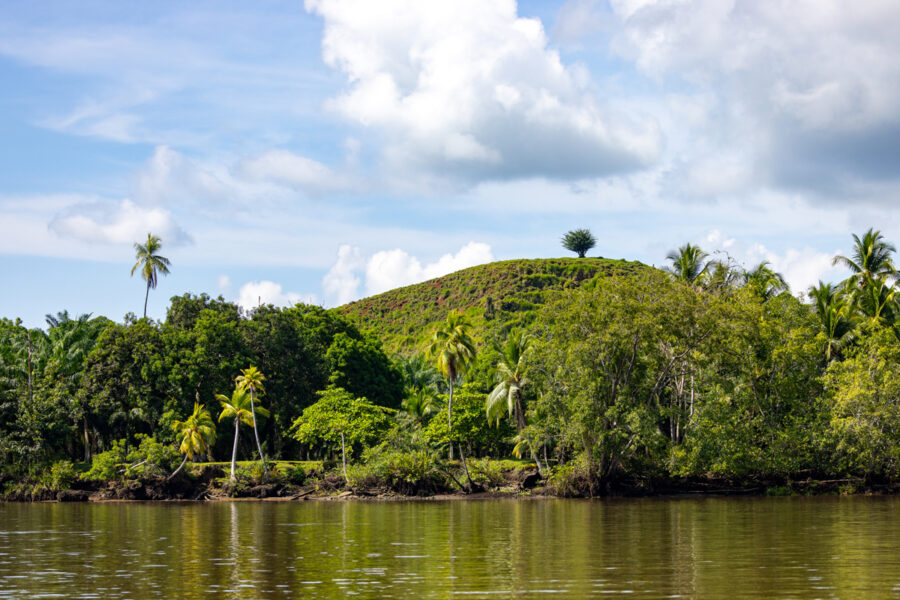
Despite these successes, the region faces growing challenges. Conservation is not a finish line. It is an ongoing commitment.
Climate Change
Climate change represents perhaps the greatest long-term threat. Rising temperatures, shifting rainfall patterns, stronger storms, and changing ocean conditions affect ecosystems throughout the region.
Species adapted to specific climatic conditions may struggle to adjust. Coral reefs are particularly vulnerable. Warmer waters increase the likelihood of coral bleaching events that can damage marine ecosystems and reduce biodiversity.
The Silent Loss of Mangrove Forests
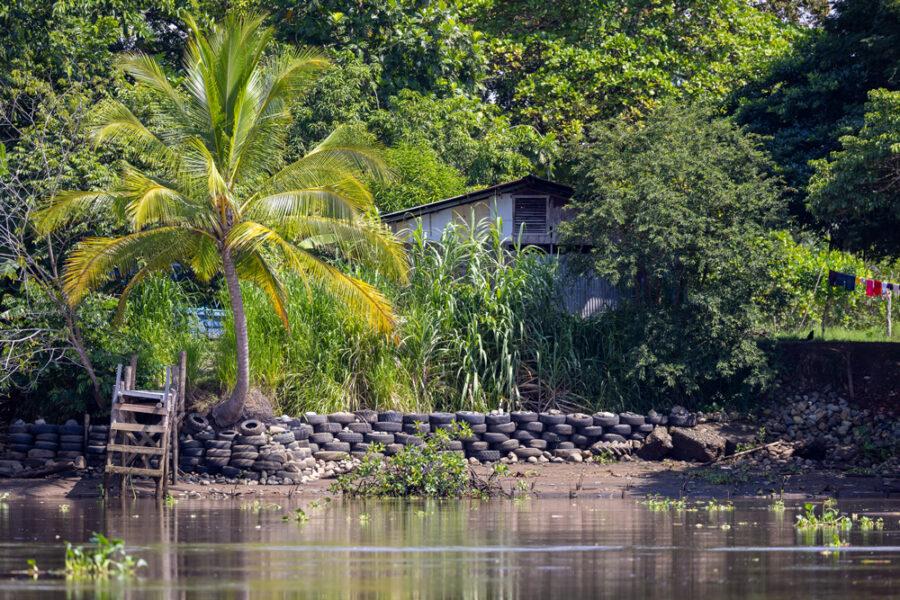
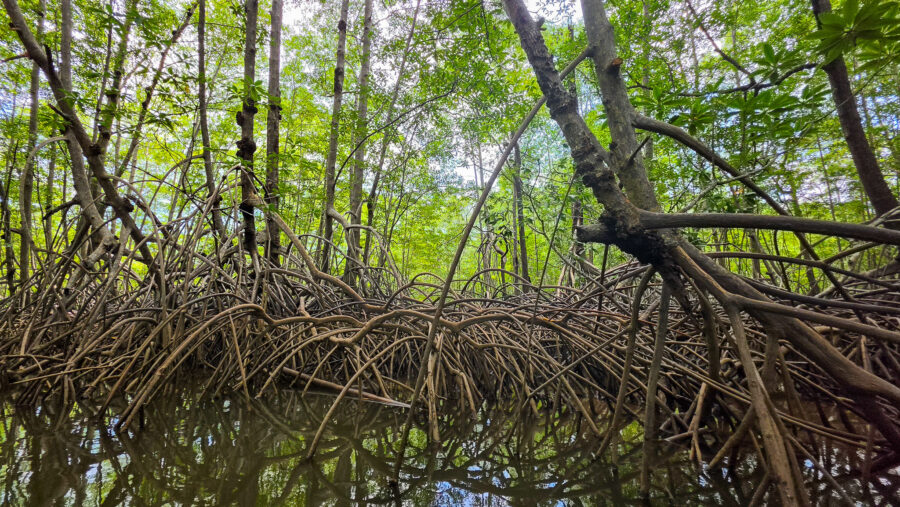
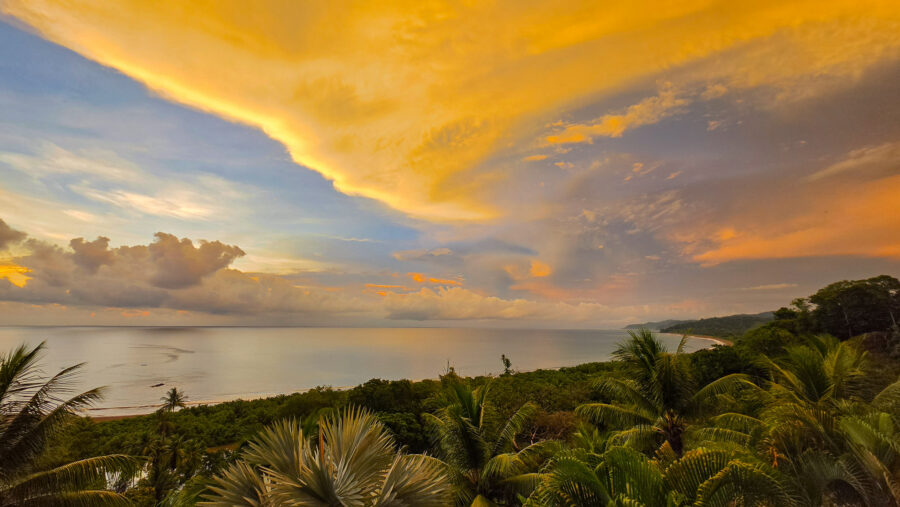
While Corcovado’s rainforests often capture the spotlight, the mangrove forests of the Osa Peninsula are equally vital to the region’s ecological health. These unique coastal ecosystems serve as nurseries for fish and marine life, provide habitat for birds and other wildlife, protect shorelines from erosion and storms, and store significant amounts of carbon. Yet mangroves have faced increasing pressure from coastal development, altered waterways, tourism infrastructure, and the growing impacts of climate change, including rising sea levels and stronger storms. The loss of these habitats affects not only the mangroves themselves but also the health of nearby coral reefs, fisheries, and coastal communities. Protecting and restoring mangrove forests is essential to preserving the interconnected web of life that makes the Osa Peninsula one of the most biodiverse regions on Earth.
Quick Facts About Osa Peninsula Mangroves
- Mangroves serve as critical nursery habitat for many fish, crab, and shrimp species.
- They protect coastlines from erosion, flooding, and storm damage.
- Mangrove soils store large amounts of carbon, helping mitigate climate change.
- Habitat loss from development and altered water systems remains an ongoing threat.
- Healthy mangroves support both terrestrial and marine biodiversity.
- Restoration and conservation efforts are increasingly focused on protecting these vital coastal ecosystems.
Tourism Growth
Tourism provides critical funding for conservation and local livelihoods. Yet rapid growth can create new pressures. Increased infrastructure development, habitat fragmentation, waste management challenges, and greater human presence can affect wildlife if not carefully managed.
The challenge lies in balancing economic opportunity with ecological integrity. The Osa Peninsula’s appeal comes directly from its wildness. Protecting that character must remain a priority.
Illegal Gold Mining
Illegal gold mining remains an ongoing concern in portions of the peninsula. Mining activities can damage waterways, introduce pollution, and degrade habitat. Though enforcement efforts have increased, the issue persists in some remote areas.
Habitat Fragmentation
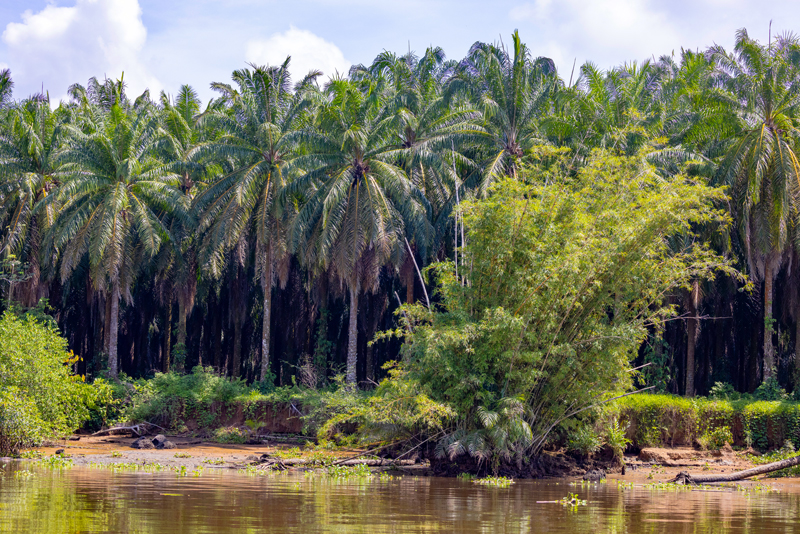
A monocrop palm oil plantation now stands where jungle once stood
Even protected ecosystems require connectivity. As development expands outside protected areas, wildlife corridors become increasingly important. Large mammals such as jaguars need extensive landscapes to survive.
Maintaining connections between protected forests will be essential for long-term biodiversity conservation.
Human-Wildlife Conflict
As human populations grow around protected areas, conflicts sometimes arise. Predators may occasionally threaten livestock, while agricultural expansion can increase encounters between people and wildlife.
Successful conservation requires local communities to benefit from protection efforts. Without community support, conservation becomes far more difficult.
Why the Osa Peninsula Matters
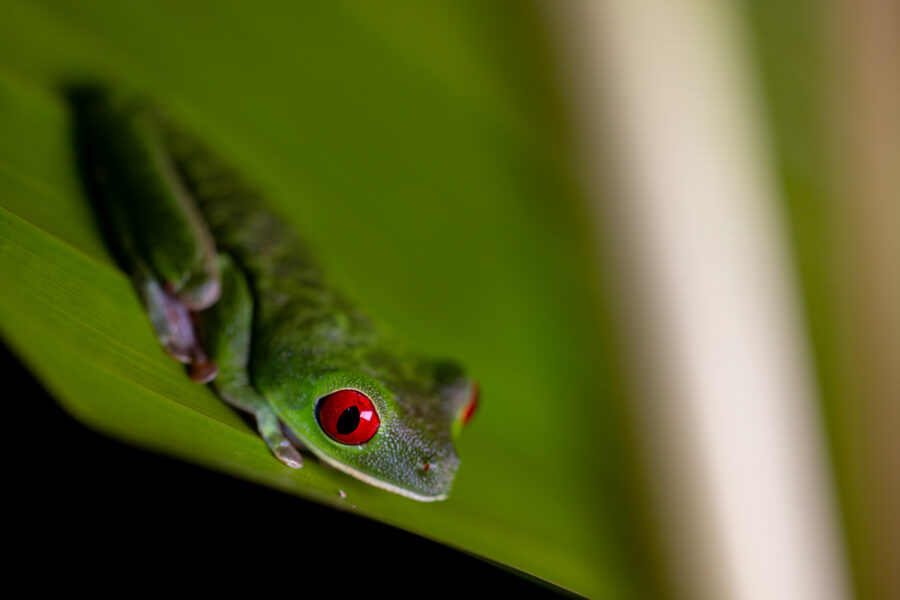
The Osa Peninsula is important for far more than tourism. It serves as a living laboratory for understanding tropical ecosystems. The peninsula protects genetic diversity that may prove invaluable in the future. It safeguards critical carbon storage within its forests. It provides habitat for species found nowhere else. Most importantly, it reminds us what healthy ecosystems look like. In an increasingly fragmented world, places like Corcovado offer a vision of ecological abundance that has largely disappeared elsewhere. They show us that nature can recover when given space and protection.
Lessons from the Rainforest
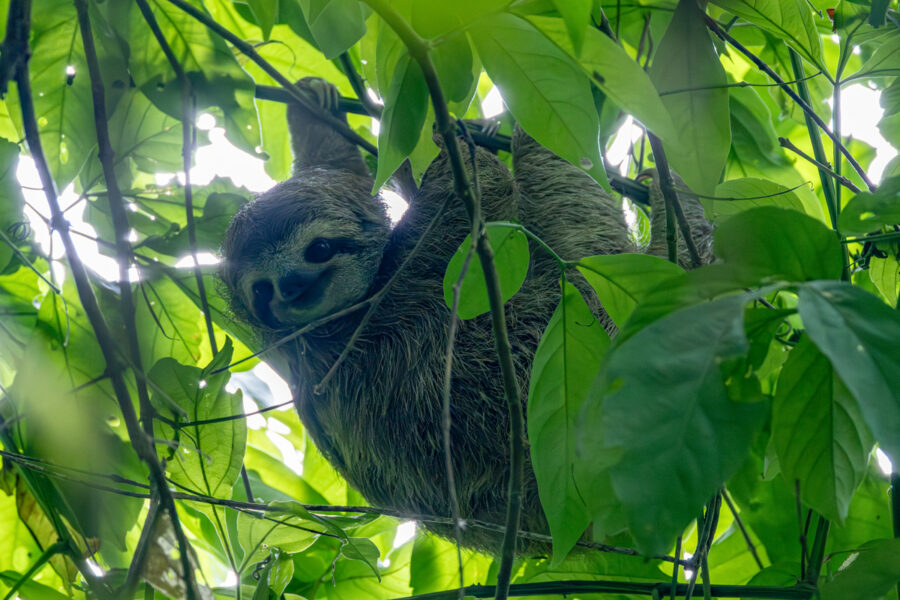
Spending time in the Osa Peninsula changes the way many people think about the natural world. The rainforest reveals an uncomfortable truth: Human beings are not separate from nature. We are part of it.
Every species in Corcovado depends upon countless others. Trees rely on fungi. Pollinators rely on flowers. Predators regulate prey populations. Rivers connect mountains to oceans. Everything is connected. The same principle applies to humanity. Our health, economies, and future prosperity ultimately depend upon functioning ecosystems. The Osa Peninsula serves as a powerful reminder of that reality. Its forests clean water, store carbon, support biodiversity, and inspire millions of people who visit each year.
Protecting places like this is not simply an environmental issue. It is an investment in our collective future.
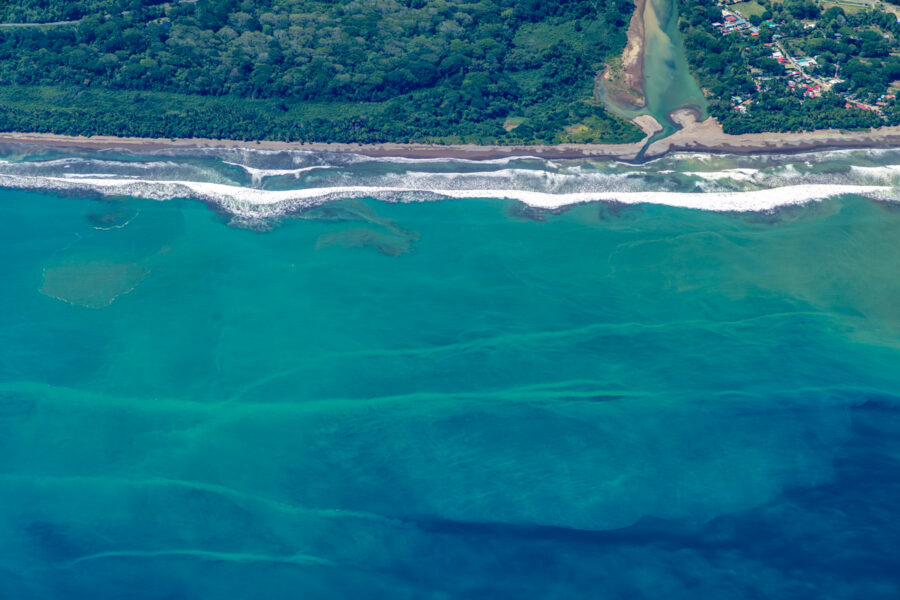
Costa Rica Blue – Limited Edition Fine Art Print of 6 – Derek Nielsen Photography
A Future Worth Protecting
At dawn in Corcovado, the rainforest awakens in layers. First come the insects. Then the birds. Then the distant calls of howler monkeys rolling through the canopy like thunder. As sunlight filters through ancient trees and mist rises from the forest floor, it becomes clear why this landscape matters.
The Osa Peninsula is more than a destination. It is one of Earth’s remaining strongholds of wildness. A place where jaguars still walk hidden trails. Where scarlet macaws fill the sky with color. Where whales migrate along pristine coastlines. And where people can still experience nature not as a memory, but as a living force. Its future will depend on the choices we make today.
The challenge before us is simple: To ensure that future generations inherit a world where places like the Osa Peninsula still exist. Not as stories. But as thriving, living ecosystems that continue to inspire wonder, connection, and hope.
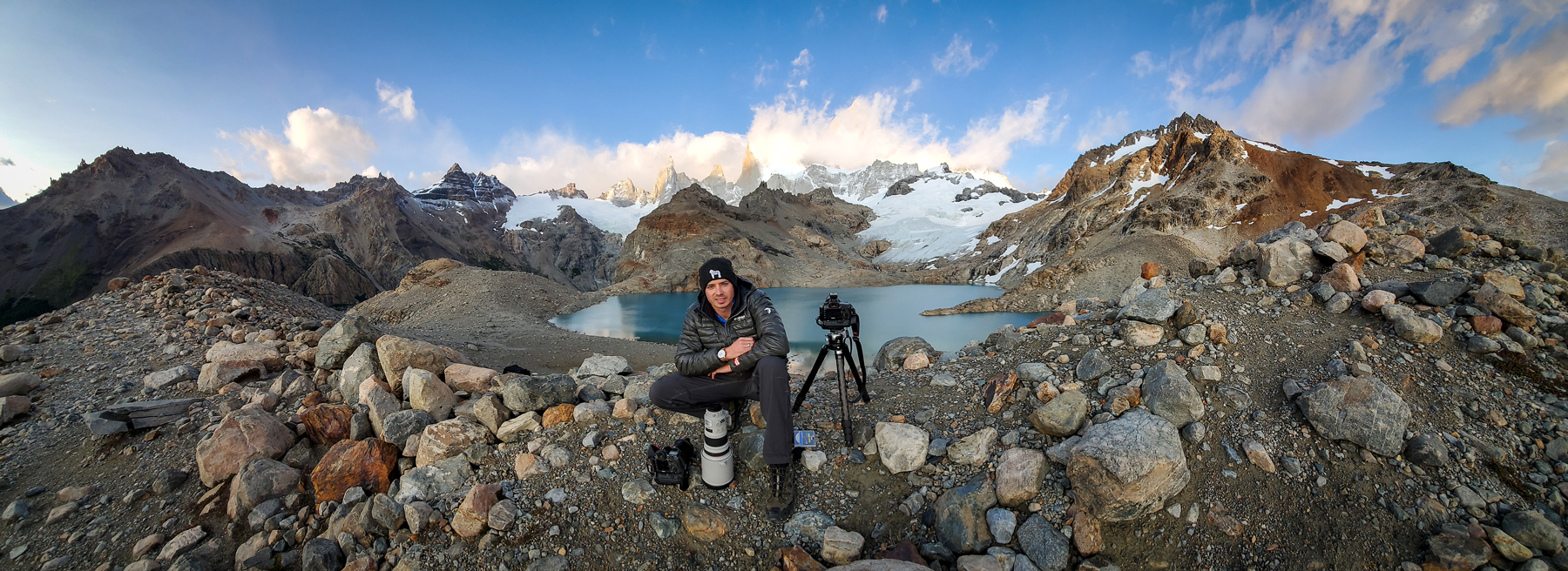
Hello! I'm Derek.
DEREK NIELSEN PHOTOGRAPHY RAISES AWARENESS ABOUT THE GLOBAL NEED FOR CONSERVATION THROUGH PHOTOGRAPHY AND DONATES UP TO 15% OF ALL SALES BACK TO ENVIRONMENTAL ORGANIZATIONS AROUND THE WORLD.