Why AI Will Never Replace Photography, Powerful Images, and Human Storytelling
AI will never replace photography because photography is a way we share our stories with one another. AI will never be human. I recently returned from a trip to Austin, Texas, for the SXSW conference. Two years ago, when I was there, everything was AI can do this for you, AI can do that for you. This year, however, the focus leaned back towards the human experience. It seemed the world was not ready to let AI take our jobs, our culture, our creativity.
We are living in a moment where artificial intelligence can generate images in seconds, images that are sharp, dramatic, technically “perfect,” and sometimes even beautiful. With a few prompts and a bit of refinement, AI can create landscapes that never existed, wildlife scenes that were never witnessed, and portraits of people who have never lived. It’s easy, in this environment, to ask a question that feels both exciting and unsettling: If AI can create images this good, what does that mean for photography?
The answer, in my view, is both simple and deeply important. AI will never replace photography, not the kind that matters. Because photography, at its core, is not about images. It’s about experience. It’s about presence. It’s about truth. And most importantly, it’s about storytelling.
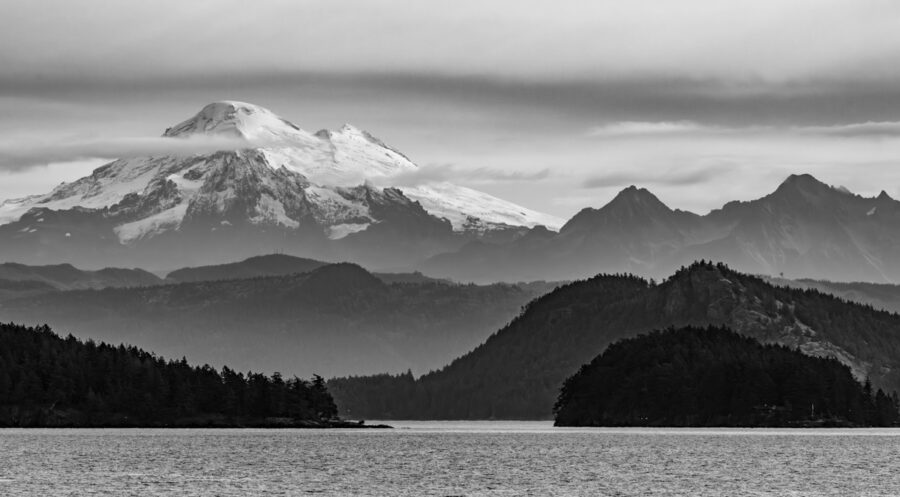
Mount Baker Black – Limited Edition Fine Art Print of 6 – Derek Nielsen Photography
The Difference Between Creating an Image and Witnessing a Moment
AI creates images. Photographers witness moments. That distinction matters more than any technological advancement. When you stand in the freezing dark waiting for first light to hit a mountain ridge, or when you sit quietly for hours hoping a fox will emerge from the trees, you are not just “producing content.” You are participating in something real. You feel the cold. You hear the wind. You experience anticipation, frustration, awe. And when the moment finally happens, when the light breaks just right, or the animal steps into view, you don’t just capture it. You earn it. I have failed more times than I care to admit. Not because I wasnt technically sound, although that has happened, but nature and the real world had its own plans. I walked away empty-handed. But that in itself makes the moment sweeter when it all comes together.
That experience becomes embedded in the image itself. Not in a way you can measure with pixels or resolution, but in a way viewers can feel. AI cannot replicate that because it has never waited, never felt, never witnessed. AI will never replace photography because it is artificial. Photography is a real moment in time.
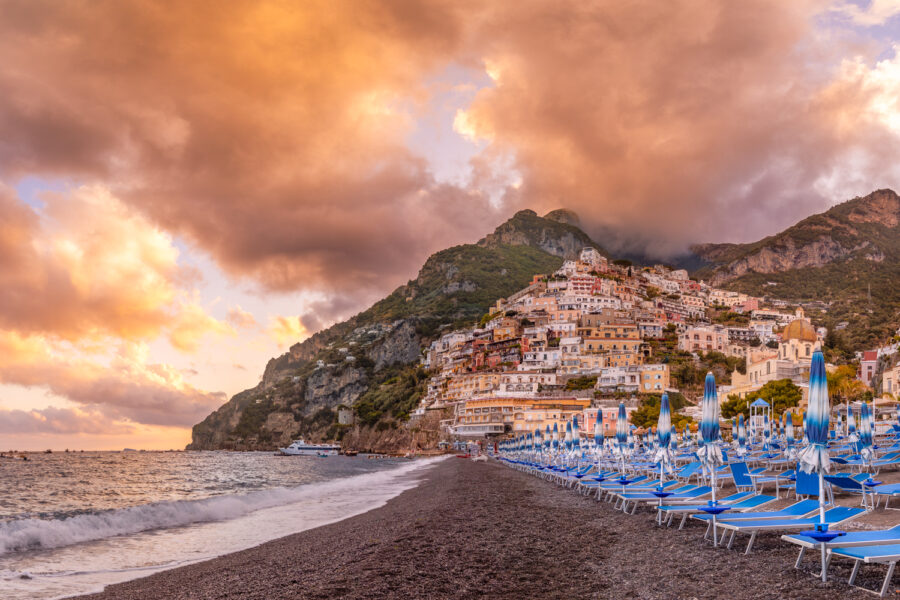
Positano Breeze – Limited Edition Fine Art Print of 6 – Derek Nielsen Photography
Photography Carries Truth, Even When It’s Imperfect
A photograph is a record of reality. It may be framed, edited, and interpreted, but it is still rooted in something that actually happened. That grounding in truth is what gives photography its power. When you see an image of a polar bear on melting ice, or a wildfire tearing through a forest, or even a quiet moment of stillness in nature, you are not just seeing something visually compelling. You are seeing evidence. Evidence of a world that exists outside of us. AI-generated images, no matter how convincing, do not carry that same weight. They are simulations. They can illustrate ideas, but they cannot document reality. And in a world where truth is increasingly questioned, that distinction becomes even more valuable. Photography, especially in the context of nature and conservation, is our greatest tool for providing evidence.
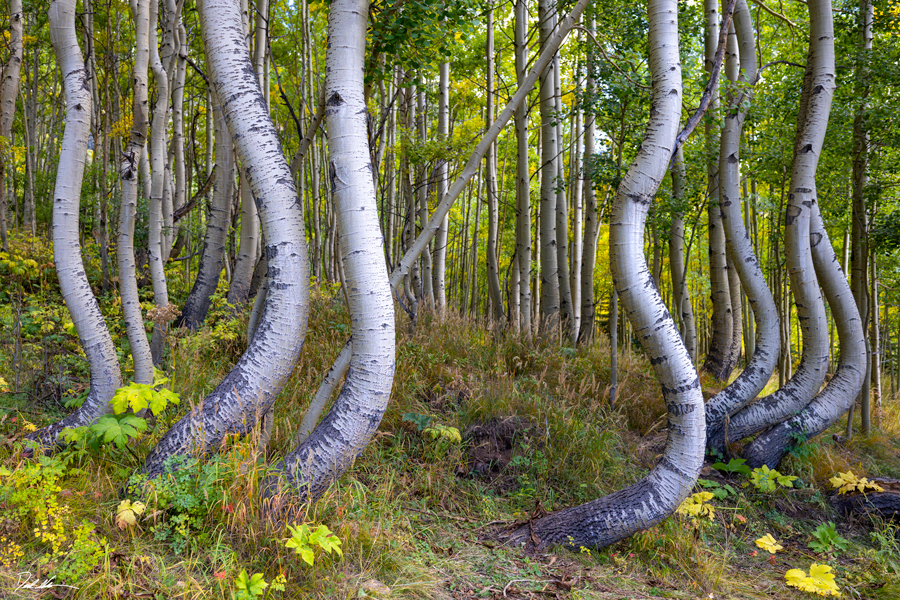
Twisted Aspens – Limited Edition Fine Art Print of 6 – Derek Nielsen Photography
The Power of Imperfection
AI tends toward perfection. Perfect lighting. Perfect symmetry. Perfect composition. But some of the most powerful photographs in history are anything but perfect. They are slightly out of focus. The framing is unexpected. The light is harsh or uneven. The subject is partially obscured. And yet, they move us.
Why? Because imperfection is human. Imperfection is real. It reminds us that someone was there, in that moment, making a decision, reacting in real time. A perfectly generated image can be visually impressive, but it often lacks tension. It lacks risk. It lacks the subtle irregularities that make something feel alive. The trees above were created by an avalanche years ago, causing the trees to have to fight for survival and grow back skyward. Perfectly imperfect.
Photography, on the other hand, embraces uncertainty. And that uncertainty is where meaning lives.
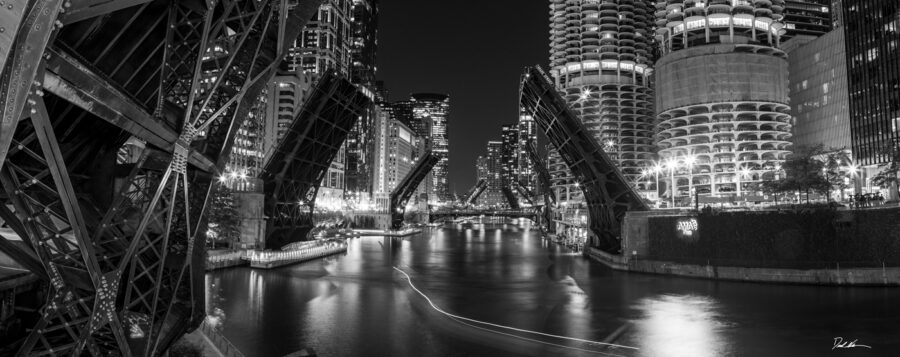
Bridges Up – Limited Edition Fine Art Print of 100 – Derek Nielsen Photography
Storytelling Is More Than Visual Output
An image, by itself, is only part of the story.
The rest lives in the context of the why, the how, the experience behind it.
When a photographer shares an image, they are also sharing a piece of their journey:
– The early mornings and long drives
– The failed attempts and near misses
– The environmental conditions and challenges
– The emotional connection to the subject
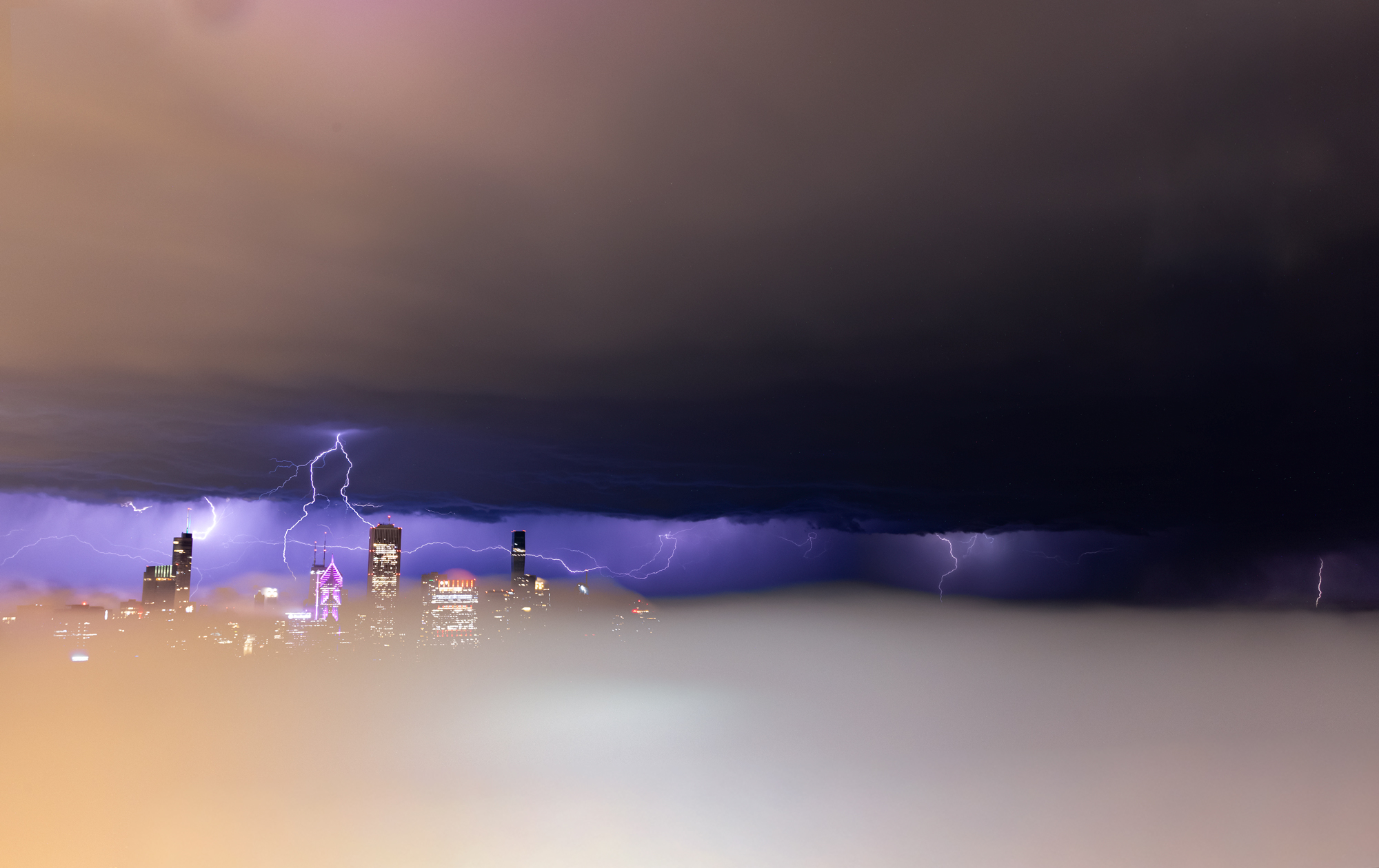
I have told the story of the above photograph thousands of times. I took it during the height of the George Floyd riots when the city was being destroyed. Mayor Lightfoot did not know how to stop it so she decided to put all the bridges up to prevent people from being able to move back and forth so freely. There is a lot more to that photograph than just a pretty shot of downtown Chicago.
That story transforms the image from something you simply look at into something you connect with. AI can generate an image, but it cannot generate a lived experience. It can mimic aesthetics, but it cannot replicate meaning. And as audiences become more saturated with content, meaning becomes the differentiator.
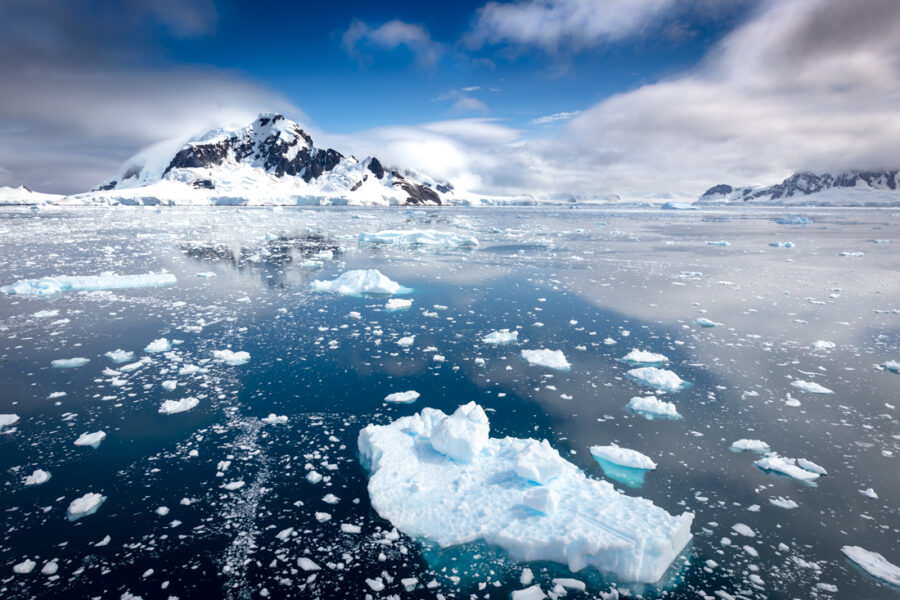
Last Frontier – Limited Edition Fine Art Print of 6 – Derek Nielsen Photography
The Value of Effort in a World of Ease
One of the defining characteristics of AI-generated imagery is how easy it is to create. And while ease has its place, it also changes how we value things. You don’t go to Walmart to shop for luxury goods. We tend to value what requires effort. Not because difficulty is inherently good, but because effort signals intention. It signals care. When an item has “hand-made” on it, we know someone put effort into making it.
When you know that an image requires patience, skill, and persistence, it changes how you engage with it. It slows you down. It invites you to look more closely. Photography, especially in its more intentional forms, carries that weight of effort. AI, by contrast, removes much of the friction from the creative process. And in doing so, it risks removing some of the meaning as well.
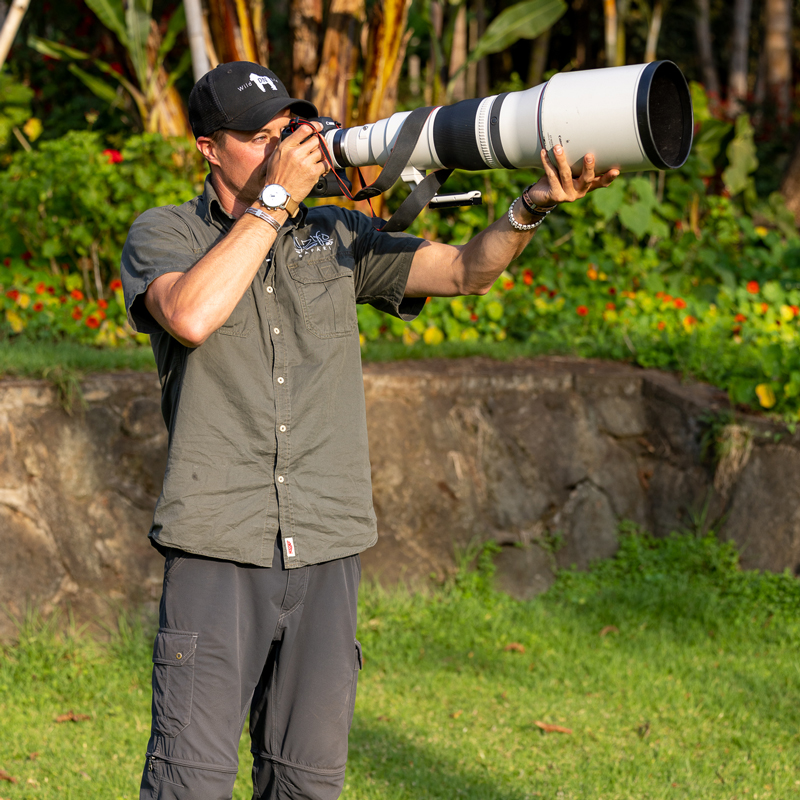
I, holding a very large, expensive camera, am capturing a very real photograph of something very much alive.
Trust and Authenticity Will Matter More Than Ever
As AI-generated images become more prevalent, a new question emerges:
What can we trust?
In that environment, authenticity becomes incredibly valuable. Photographers who are transparent about their process, locations, experiences, and intent will stand apart. Not because their images are technically better, but because they are real. They are a brand. There is a growing desire not just in photography, but across all forms of media for authenticity. People want to feel something genuine. They want to know that what they are seeing has a connection to reality. Photography, when practiced with integrity, offers exactly that. We rely on photojournalism to bring us the truth no politician can lie about. From a trusted source, we can believe what our eyes are seeing.
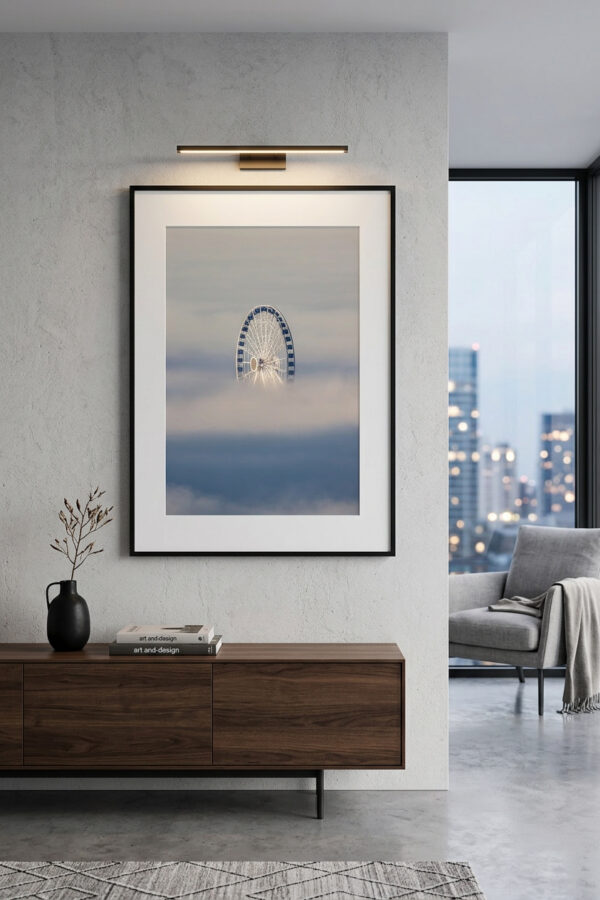
AI-generated image using one of my actual photographs in the frame to help collectors visualize how a given print would look in their home.
AI as a Tool, Not a Replacement
None of this is to say that AI has no place in the creative world. Like any technology, it can be a powerful tool. It can assist with editing, help visualize ideas, streamline workflows, and even inspire new directions. But it is just that, a tool.
It is not a replacement for the act of seeing, of experiencing, of being present. The danger is not that AI exists. The danger is in confusing what it does with what photography is. Photography is not just about producing images. It is about observing the world, interpreting it, and sharing that interpretation with others. AI can support that process, but it cannot replace it.
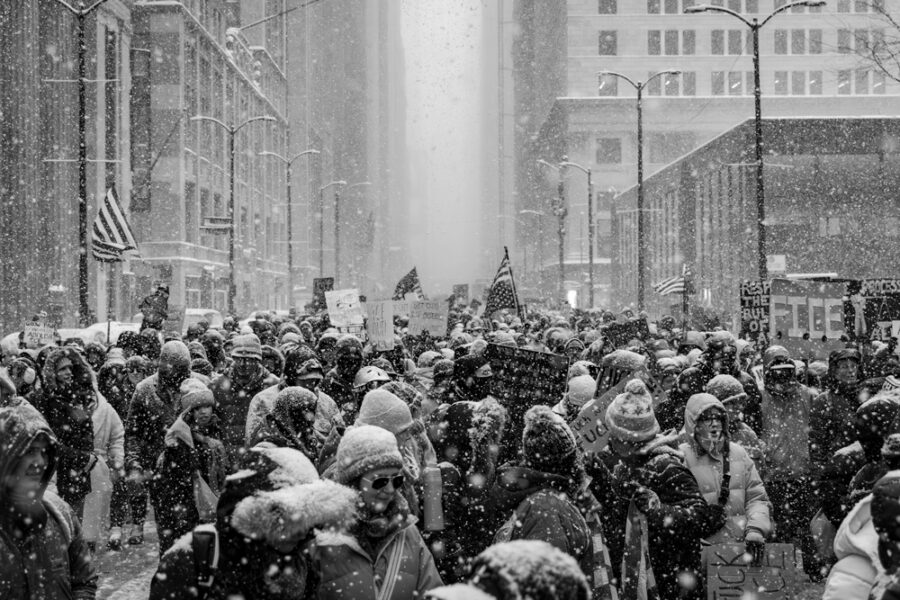
Marching Strong – Limited Edition Fine Art Print of 6 – Derek Nielsen Photography
Why This Matters for the Future of Photography
If anything, the rise of AI may actually make authentic photography more important, not less. As the volume of generated imagery increases, truly real moments will stand out. Images that are grounded in reality, in experience, in human perspective will carry more weight. Viewers will become more discerning. They will look not just at the image, but beyond it. Who created this? Where was it taken? What is the story behind it? These questions will shape how images are received and valued. And photographers who lean into storytelling, authenticity, and connection will be the ones who thrive.
I can’t begin to tell you how many people on social media said the photograph above of the people protesting was AI-generated. And that is why it matters. It happened, and it was important to document. Our government had just murdered two of our citizens in cold blood in front of the whole world to see Renee Good and Alex Pretti.
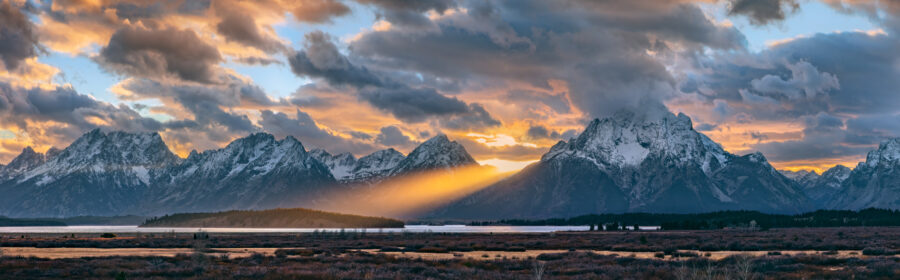
Heaven’s Gate – Limited Edition Fine Art Print of 50 – Derek Nielsen Photography
AI Will Never Replace Photography as we Return to What Matters
At its best, photography has never been about chasing perfection. It has been about connection.
Connection to a place.
Connection to a subject.
Connection to a moment in time.
AI can generate something that looks like a photograph.
But it cannot stand in the rain. It cannot feel the stillness of a forest at dawn. It cannot experience the quiet tension before something happens. It cannot care. And that, ultimately, is the difference. Because the most powerful images are not the ones that are technically flawless. They are the ones that make us feel something. They remind us of the beauty, fragility, and complexity of the world around us. They tell stories that matter. And those stories require a human behind the lens.
For a full collection of my Non-AI-Generated images, please explore my gallery, and hopefully feel something.
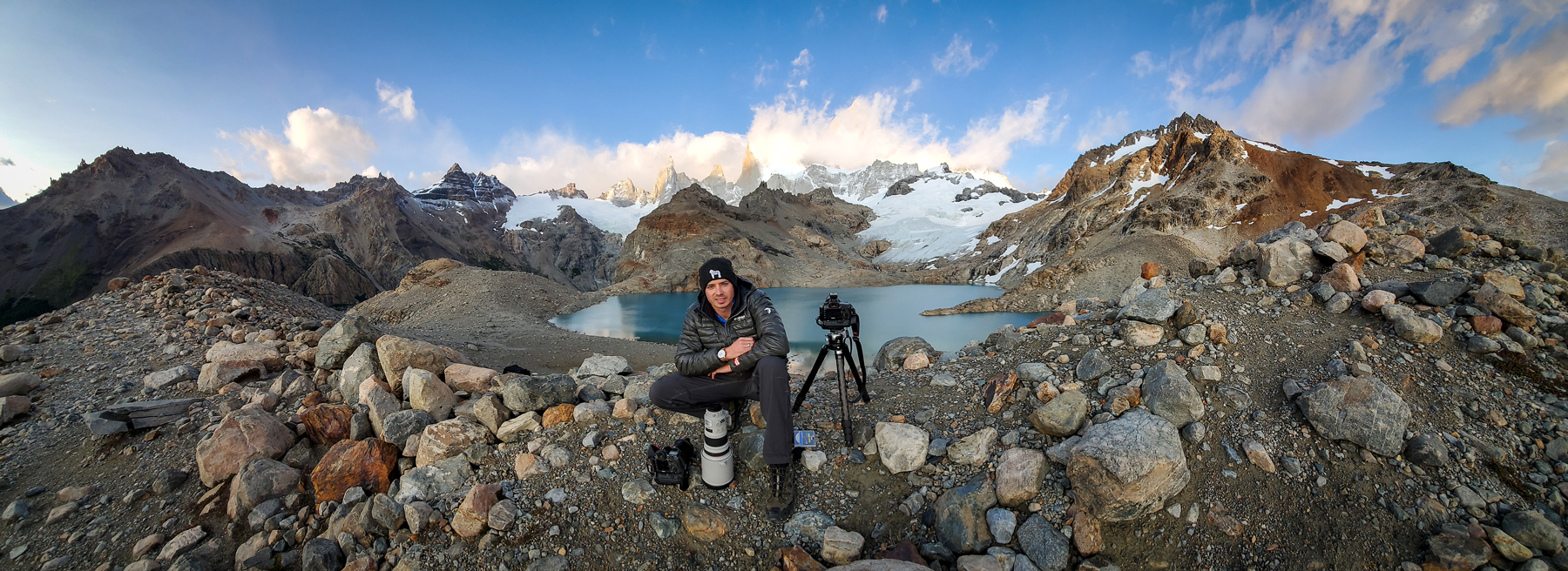
Hello! I'm Derek.
DEREK NIELSEN PHOTOGRAPHY RAISES AWARENESS ABOUT THE GLOBAL NEED FOR CONSERVATION THROUGH PHOTOGRAPHY AND DONATES UP TO 15% OF ALL SALES BACK TO ENVIRONMENTAL ORGANIZATIONS AROUND THE WORLD.