Derek Nielsen Photography

Derek Nielsen Photography

Uncategorized Winter on the Edge: Photographing Chicago When the City Freezes
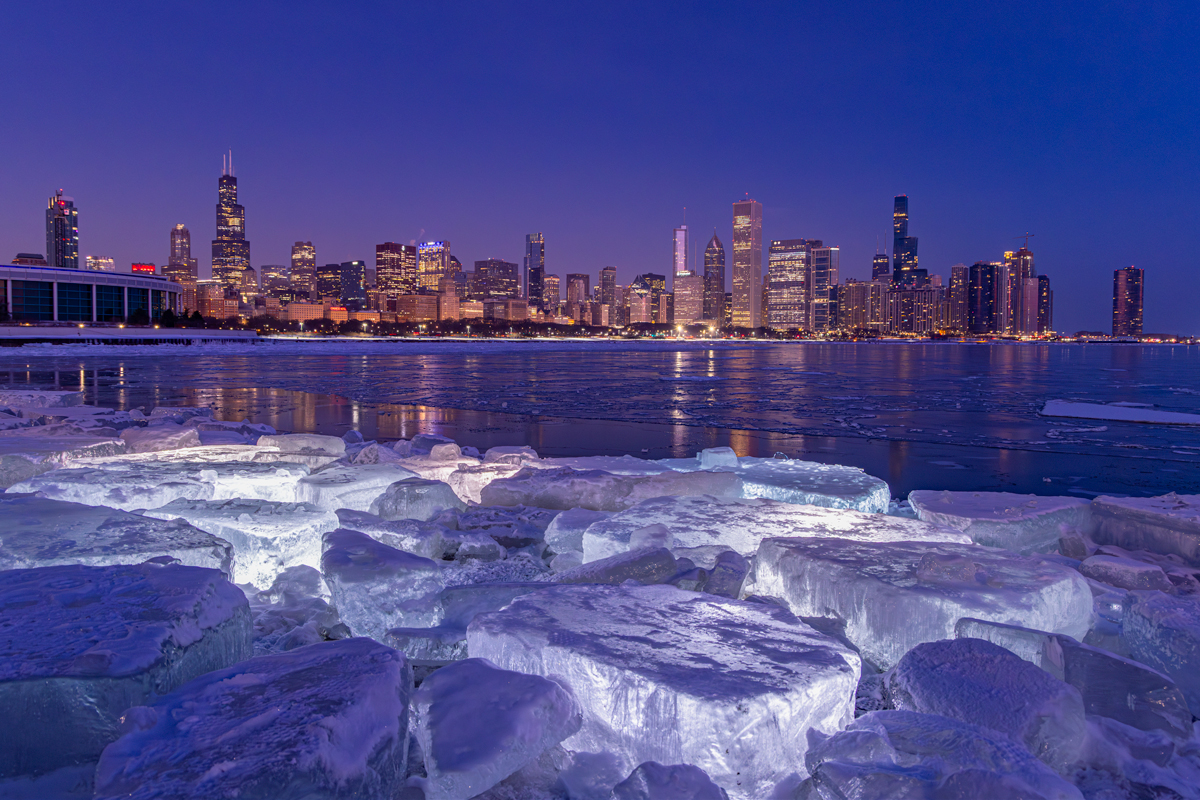
Skyline shot of Chicago with large ice blocks in the foreground lit from behind by light

Winter in Chicago isn’t subtle. It doesn’t arrive gently or ask permission. It shows up loud and unapologetic wind howling off Lake Michigan, ice stacking into impossible shapes, the skyline standing rigid against a cold so sharp it feels personal. Most people retreat indoors this time of year. Cameras stay on shelves. Tripods gather dust. And yet, winter is when Chicago reveals something truer.

I’ve spent years photographing this city in all seasons, but winter is when it stops performing and starts being. The crowds thin. The noise softens. The lake so often romanticized in summer turns raw and unforgiving. Ice replaces sand. Silence replaces spectacle. And suddenly, the city feels honest. This post isn’t a gear guide or a checklist of “top winter photo spots.” It’s a reflection on what it means to photograph Chicago when the city freezes physically and emotionally and why winter has become one of the most meaningful times for me to create work here.

When the Lake Becomes the Subject
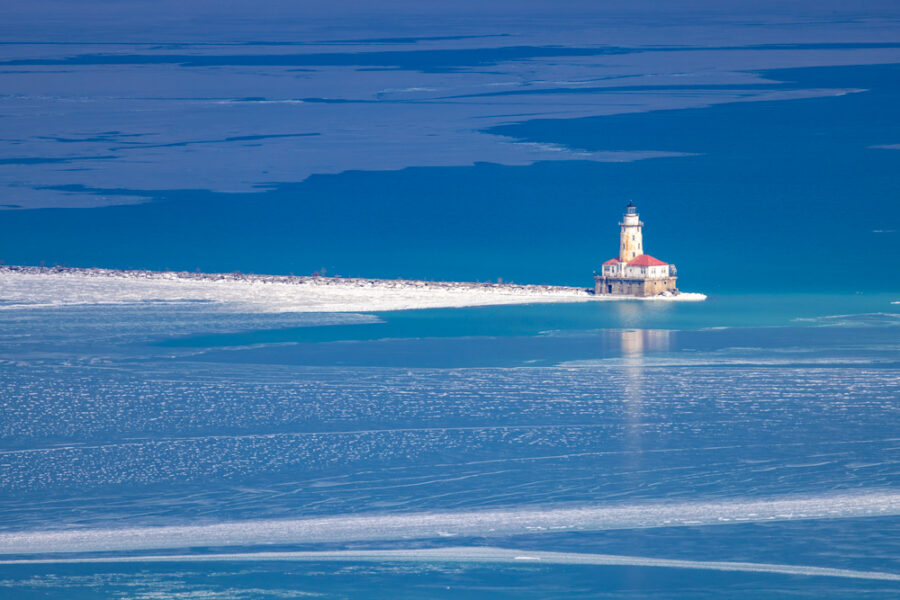
photograph of a blue light lake with ice in it and a solo lighhouse in the light

Where Winter Keeps Watch – Limited Edition Fine Art Print of 6 – Derek Nielsen Photography

If summer in Chicago belongs to people, winter belongs to Lake Michigan. Once temperatures drop far enough, the shoreline transforms into something unrecognizable. Ice doesn’t settle politely it fractures, piles, refreezes, breaks again. Every cold snap redraws the edge of the city. No two mornings look the same. Photographing the lake in winter is less about composition and more about attention. The ice shifts constantly. Light catches in unexpected ways blue shadows, translucent edges, glowing seams where pressure has fused slabs together. What looks chaotic from a distance becomes strangely ordered when you slow down.
I’m drawn to moments where the ice feels sculptural, almost intentional, even though it’s entirely uncontrolled. Blocks stacked like architecture. Cracks that mimic fault lines. Surfaces polished smooth by wind and refreeze. There’s something humbling about standing on the shore, watching the lake reshape itself overnight. It’s a reminder that Chicago doesn’t tame nature it negotiates with it.

The Skyline Against the Cold

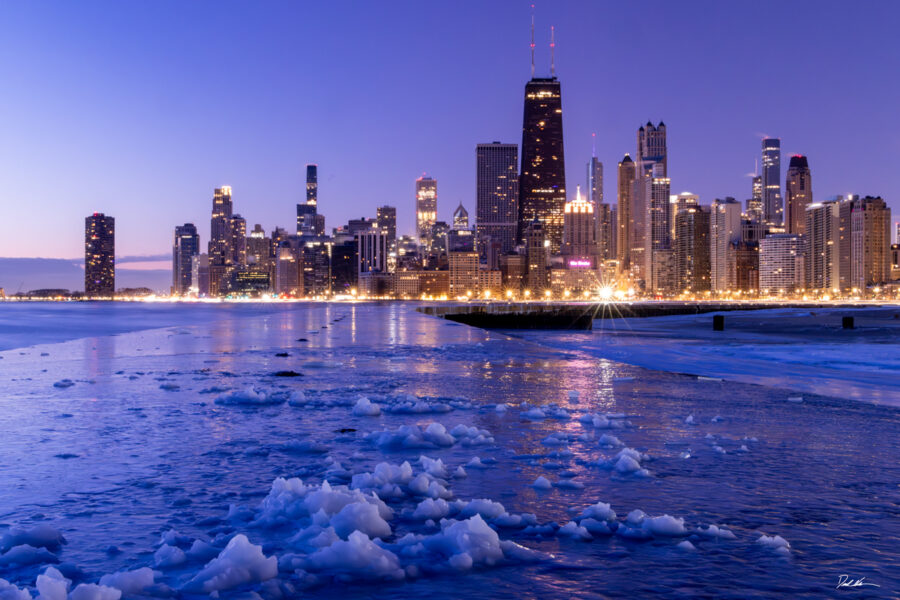
Beautiful image of Chicago taken during blue hour with ice in the foreground.

Blue Chicago – Limited Edition Fine Art Print of 6 – Derek Nielsen Photography

Chicago’s skyline is one of the most photographed in the world. In winter, it finally breathes. The buildings don’t change, but everything around them does. The lake darkens. The air sharpens. Light behaves differently in cold cleaner, more directional, less forgiving. Blue hour lingers just a bit longer, wrapping the city in tones that feel almost otherworldly. Winter strips away distraction. Without boats, beachgoers, or summer haze, the skyline feels more solitary. More exposed.
I often frame it against ice-covered foregrounds not to contrast nature and city, but to show how intertwined they really are. The city doesn’t dominate the lake in winter. It stands beside it, rigid and watchful. There’s a quiet tension in these scenes steel and glass rising behind something ancient and volatile. That tension is what keeps me returning to the same viewpoints year after year.

Sunrise, Sunset, and the Gift of Cold Light
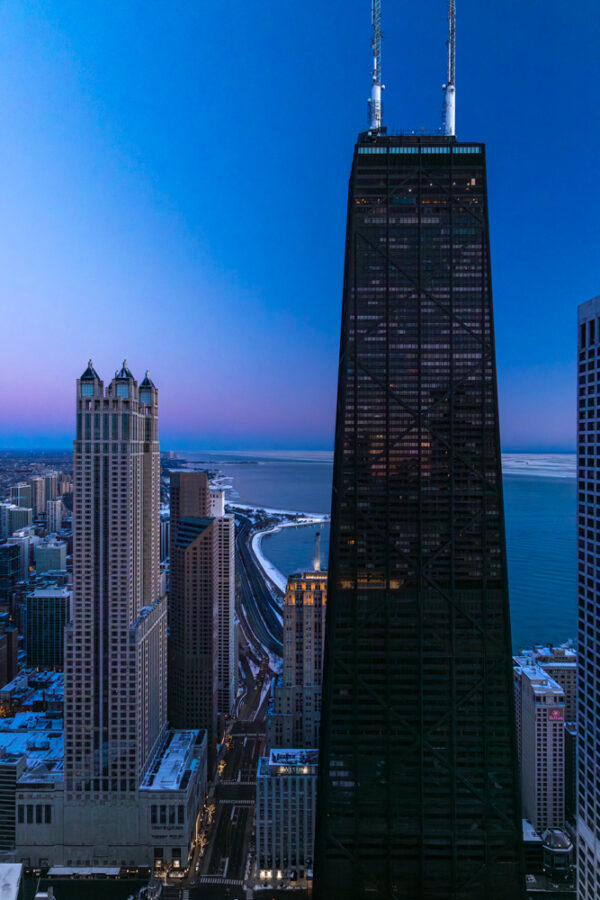
Large fine art print of the John Hancock in Chicago at sunrise

John and Company – Limited Edition Fine Art Print of 6 – Derek Nielsen Photography

Winter light is unforgiving and that’s exactly why I love it. Sunrises feel earned. You’re out there early, fingers numb, breath visible, waiting. When the sky finally shifts soft pinks bleeding into icy blues it feels intimate, like a secret shared between you and the lake. Sunsets, too, hit differently in winter. Colors are subtler but more deliberate. The cold air filters the light just enough to create gradients that feel painterly rather than dramatic. Photographing in these conditions forces patience. You can’t rush setups when your hands barely work. You can’t stay long without consequence. Every frame becomes intentional not because you want it to be, but because it has to be. Winter teaches restraint.

Ice as Foreground, Ice as Metaphor

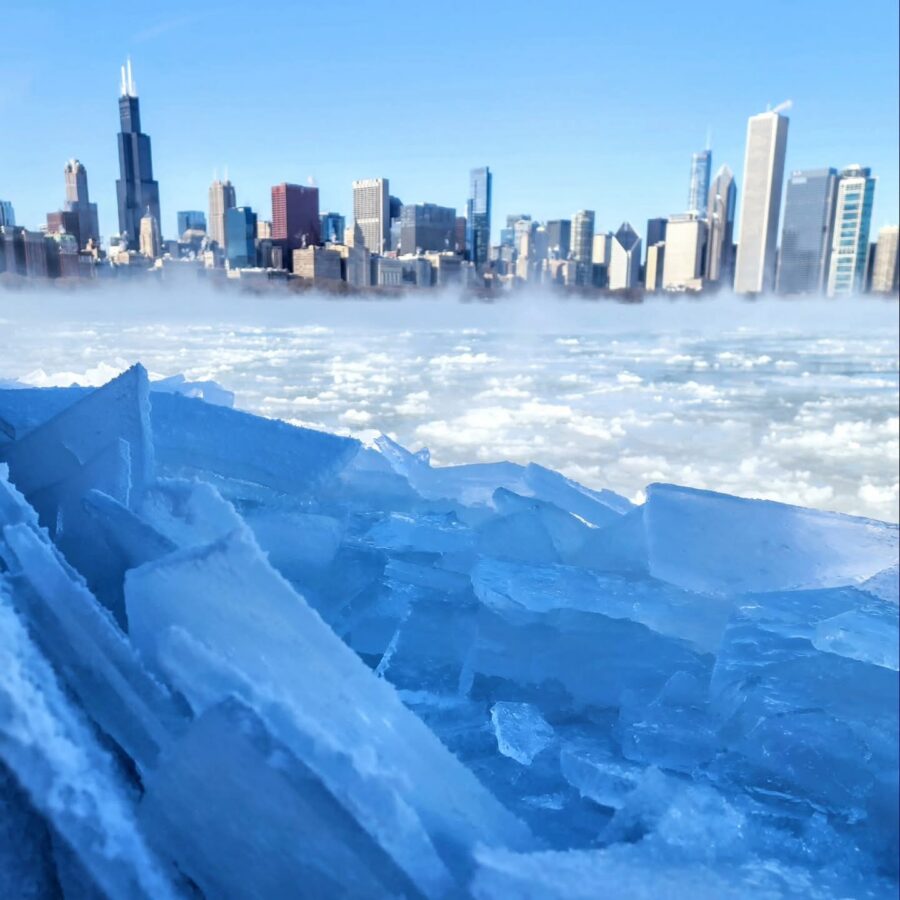
Photograph from photographer Derek Nielsen that went viral on  Facebook of Chicago in winter

Photo with over 1.7 million Facebook views on Derek Nielsen Photography. 

I often think of ice as Chicago’s winter handwriting. It records storms, wind direction, temperature swings. It tells stories about pressure and release. And visually, it gives the foreground something weighty something that grounds the frame. I’m less interested in “pretty” ice than honest ice. Jagged edges. Uneven stacks. Broken pieces refrozen at odd angles. These details mirror the emotional texture of winter itself beautiful, uncomfortable, unresolved.
In some frames, the ice becomes the subject. In others, it’s simply there, anchoring the scene, reminding the viewer where they are and what season this is. Winter photography in Chicago isn’t about chasing perfection. It’s about honoring imperfection.

The City Empties and That’s When It Speaks
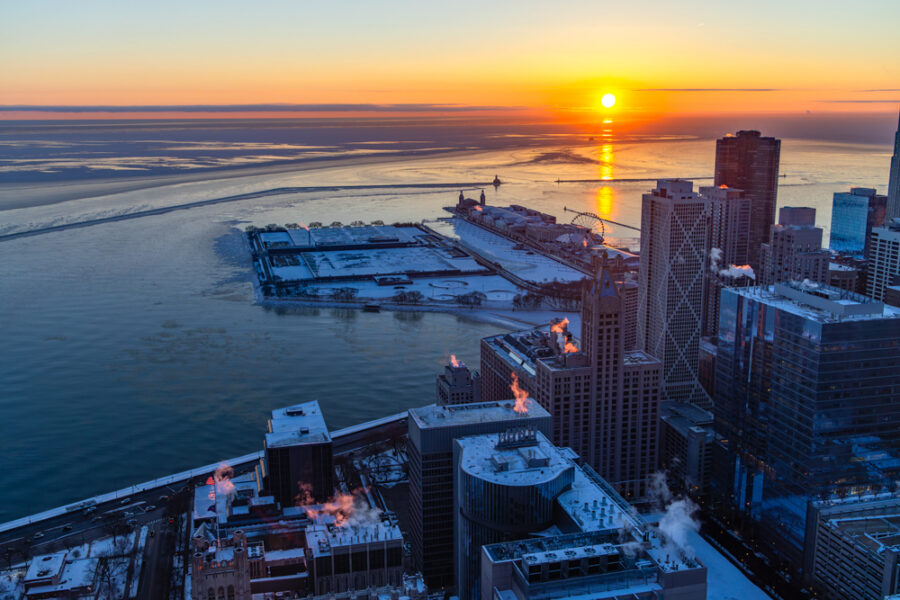
elevated photo of Chicago's Navy Pier at Sunrise in the frozen winter

One of the most overlooked aspects of winter photography here is absence. The lakefront, usually crowded and noisy, becomes quiet. Paths are empty. Beaches disappear under ice. The city feels paused. This emptiness changes how I move and how I see. I linger longer. I notice small shifts steam rising from buildings, a lone bird cutting across the frame, the sound of ice grinding somewhere offshore.

Photographing an empty Chicago feels intimate, almost personal. It’s as if the city allows itself to be seen without performance. Without spectacle. Winter reminds me that photography doesn’t always need drama. Sometimes it needs stillness.

Wildlife on the Edge of the City
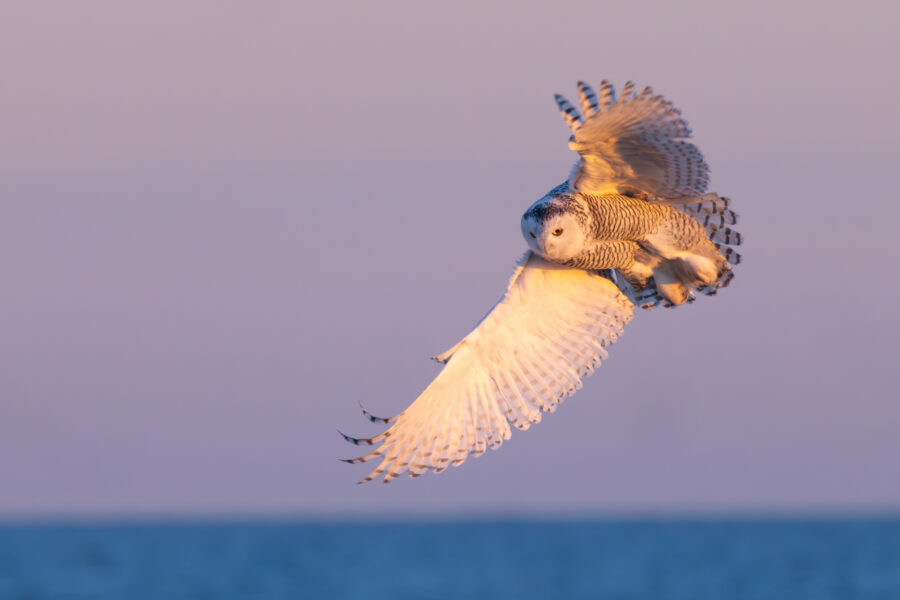
sunrise photograph of a snowy owl in Chicago

Winter also brings unexpected wildlife moments. Snowy owls appear like ghosts silent, precise, impossibly calm against the cold. Birds ride air currents over frozen water, their movements purposeful, efficient. There’s no excess in winter survival. Photographing wildlife in this environment feels different than in remote places.
The city looms nearby. Human structures sit just outside the frame. And yet, these animals exist on their own terms. These moments blur the line between urban and wild, reminding me that nature isn’t something separate from the city it’s woven through it, even in the harshest months.

Black and White: Letting Winter Strip Things Down

Black and white photo of Chicago from North Avenue Beach with the city skyline in the background.

Some winter scenes demand color. Others ask for restraint. Black and white has become an important tool for me in winter photography. Without color, the focus shifts to shape, contrast, and light. Ice becomes graphic. Shadows deepen. The skyline feels heavier, more architectural.

Winter already simplifies the landscape. Black and white pushes that further removing what’s unnecessary and leaving only what matters. I don’t convert images because they look “classic.” I convert them because the scene feels quieter that way. More honest.

Cold as a Creative Constraint
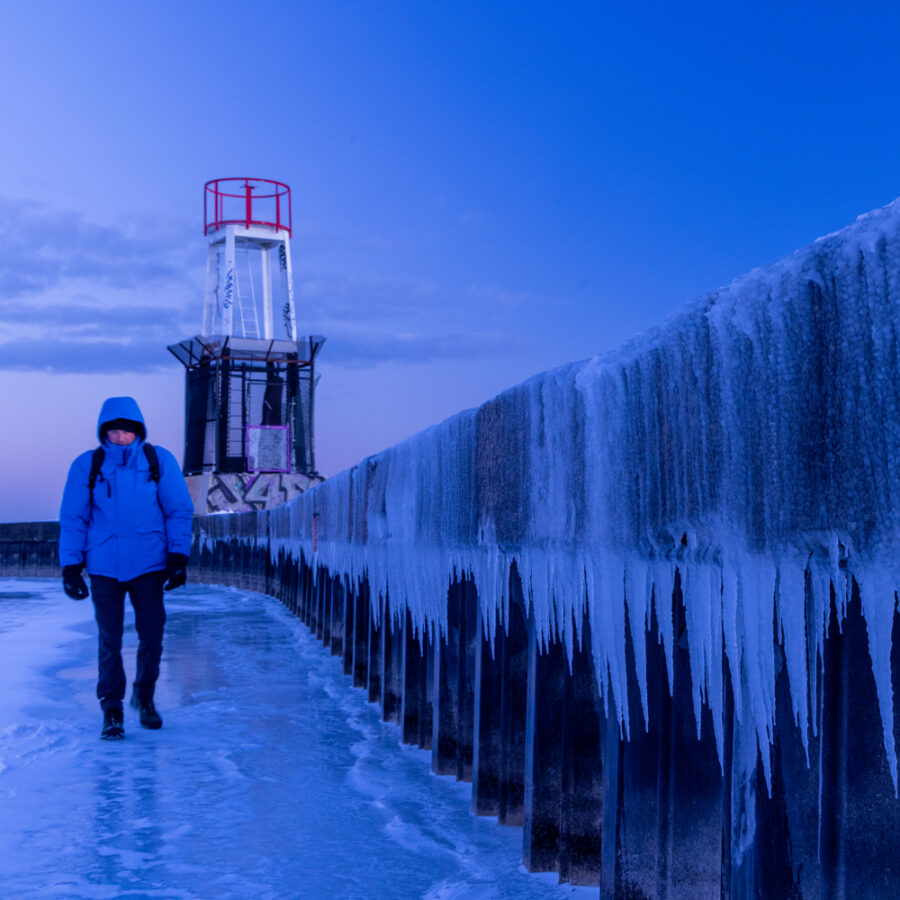
Photographer Derek Nielsen walking along a frozen wall in Chicago's winter

Winter photography in Chicago isn’t comfortable and that’s part of its power. Cold limits you. Batteries drain faster. Fingers lose dexterity. Time outside is finite. But constraints can sharpen creativity. You make decisions faster and stop overshooting. You trust instinct. I’ve learned to work with winter instead of against it. I accept shorter sessions. To prepare carefully. To embrace the idea that not every outing needs to produce dozens of images. Sometimes, one frame is enough.

Why I Keep Coming Back
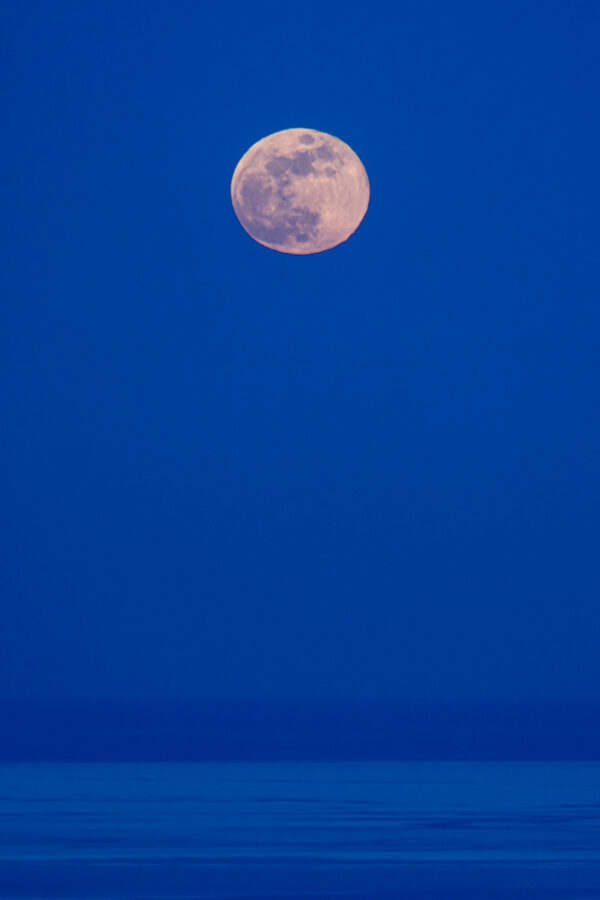
fine art photograph of the moon raising over lake michigan in the winter

People often ask why I continue photographing Chicago winters when it would be easier to wait for spring or travel somewhere warmer. The answer is simple: winter feels true. There’s no illusion here. No softening. No pretending. The city stands exposed beautiful, harsh, resilient. The lake reminds you who’s really in charge. And the photographs that come from this season carry weight because they’re earned. Winter photography in Chicago isn’t about proving toughness or endurance. It’s about paying attention during a season most people ignore. And in doing so, finding moments of quiet beauty where you least expect them.

Final Thoughts: Winter as a Way of Seeing
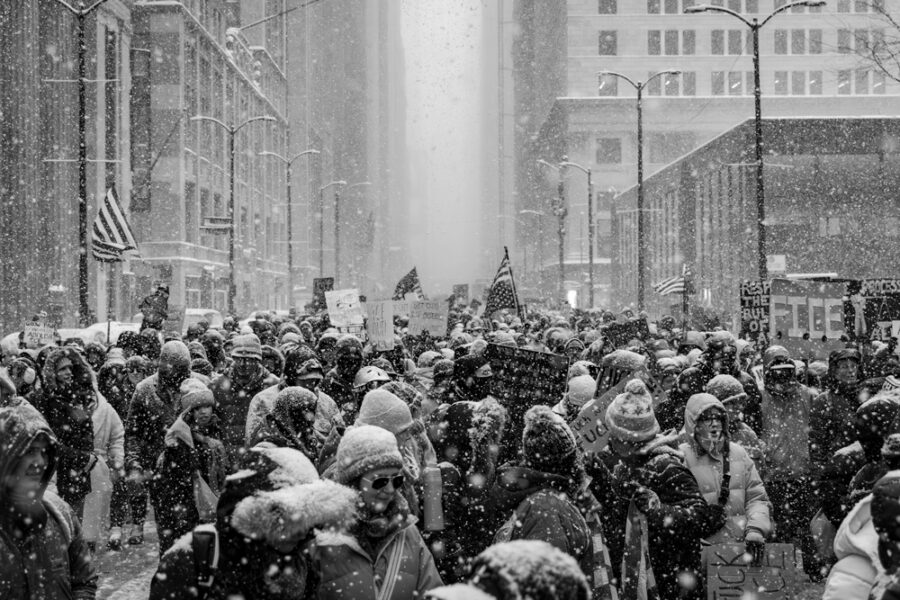
photograph of protesters marching in Chicago during a snowstorm

Chicago Marching Strong – Limited Edition Fine Art Print of 6 – Derek Nielsen Photography

Winter has changed how I see not just Chicago, but photography itself. It’s taught me patience. Restraint. Respect for conditions I can’t control. It’s reminded me that some of the most meaningful work comes from staying put, returning to the same places, and allowing them to reveal themselves slowly. Chicago in winter doesn’t ask to be liked. It asks to be understood. And if you’re willing to step into the cold, slow down, and really look, it offers something rare: a city stripped to its essence, standing quietly at the edge of a frozen lake, waiting to be seen

The story behind the cover photo
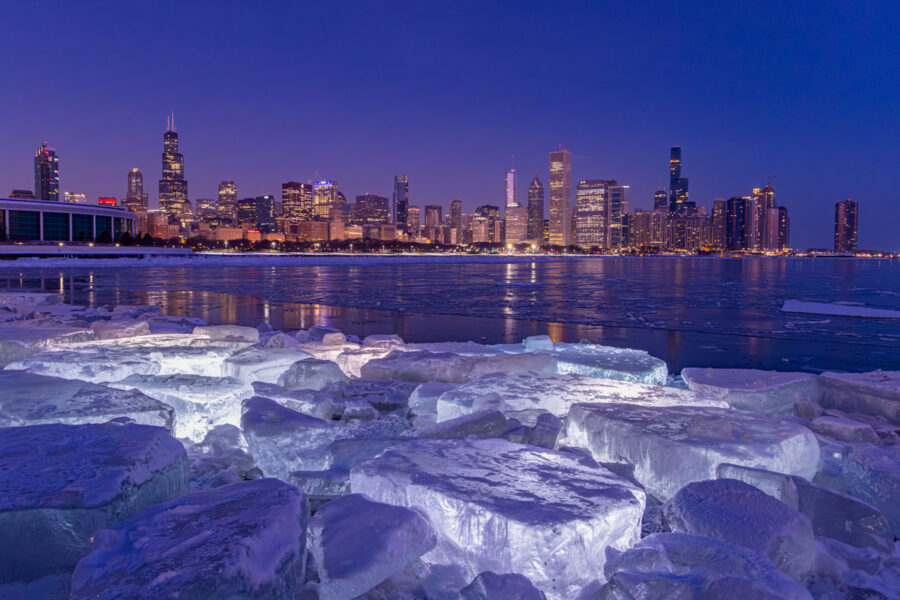
Skyline shot of Chicago with large ice blocks in the foreground lit from behind by light

This is one of the more creative shots I have done in a long time. The other day, while walking along the stretch between the Shedd Aquarium and the Planetarium, I came across these massive blocks of ice that were pushed out of the lake. The next morning, I returned to the same spot with several flashlights and headlamps and lit them from behind.
Creative inspiration doesn’t usually arrive on schedule; it shows up when we slow down, look differently, and give ourselves permission to experiment. Sometimes that means revisiting familiar places at unfamiliar hours, letting light, weather, or mood transform what we thought we already knew. Other times it means releasing the pressure to “make something great” and simply paying attention to curiosity, noticing small details, or responding to a feeling rather than a plan.
I have walked past this spot dozens of times. Yesterday, it presented itself in a new way. A creative idea popped into my head. This morning at sunrise, I executed it.
Don’t get caught in the same cycle. Ignite your creativity.

Check out my article on the top photography spots in Chicago to know where to get beautiful shots of your own.

TOP 25 LOCATIONS FOR CHICAGO PHOTOGRAPHY [LOCAL GUIDE]
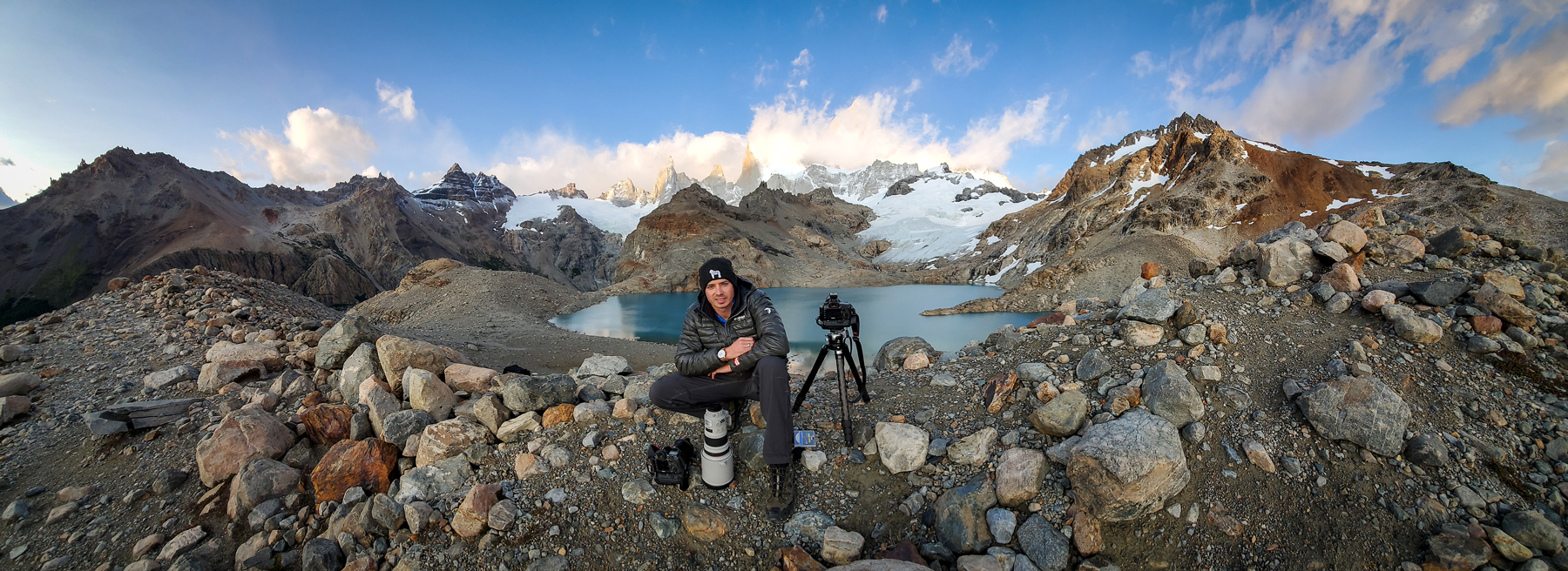

Derek with a penguin

Hello! I'm Derek.

DEREK NIELSEN PHOTOGRAPHY RAISES AWARENESS ABOUT THE GLOBAL NEED FOR CONSERVATION THROUGH PHOTOGRAPHY AND DONATES UP TO 15% OF ALL SALES BACK TO ENVIRONMENTAL ORGANIZATIONS AROUND THE WORLD.