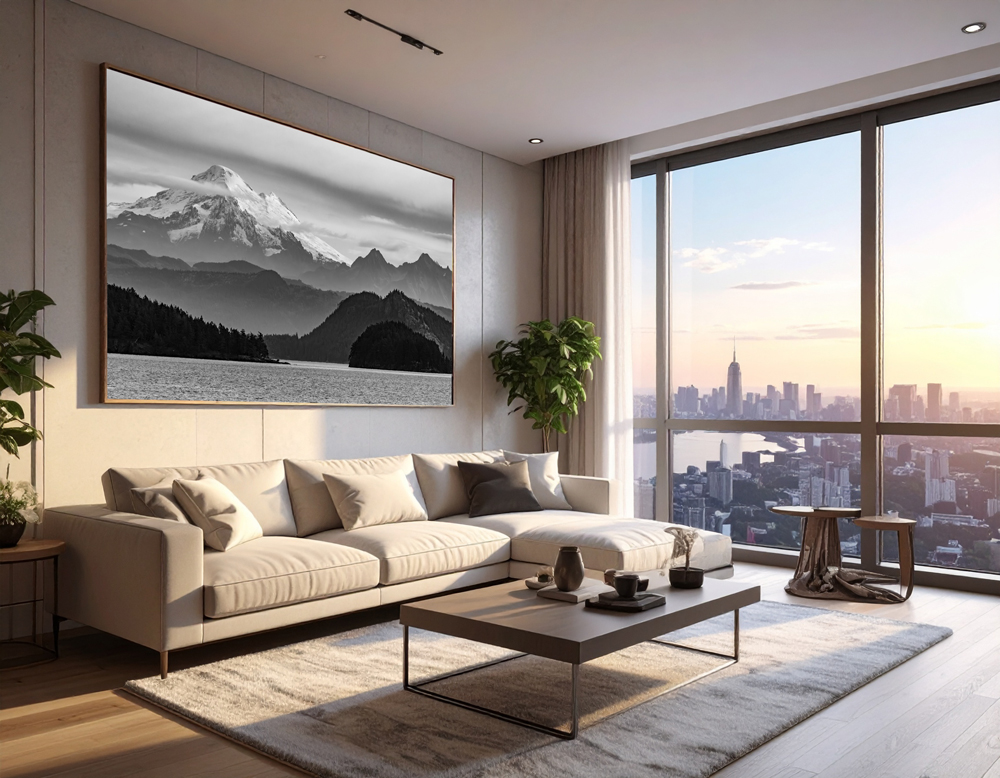
Navigating the Fine-Art Photography Market: Key Trends, Insights & Buying Strategies for Discerning Collectors
In today’s evolving art-market landscape, buying fine-art photography and limited-edition prints is more than a decorative decision it is both an aesthetic investment and a personal statement. For the collector who seeks works that resonate emotionally, reflect values, and hold their place in a shifting cultural terrain, understanding the current market dynamics is indispensable. With economic headwinds, global shifts in collector behaviour, and the rise of digital channels, now is a time of strategic opportunity for those approaching the market with discernment.
Here, we illuminate ten of the most important topics currently shaping art and photography acquisitions and for each, we offer how you as a collector can benefit, focus your lens, and acquire art with confidence.
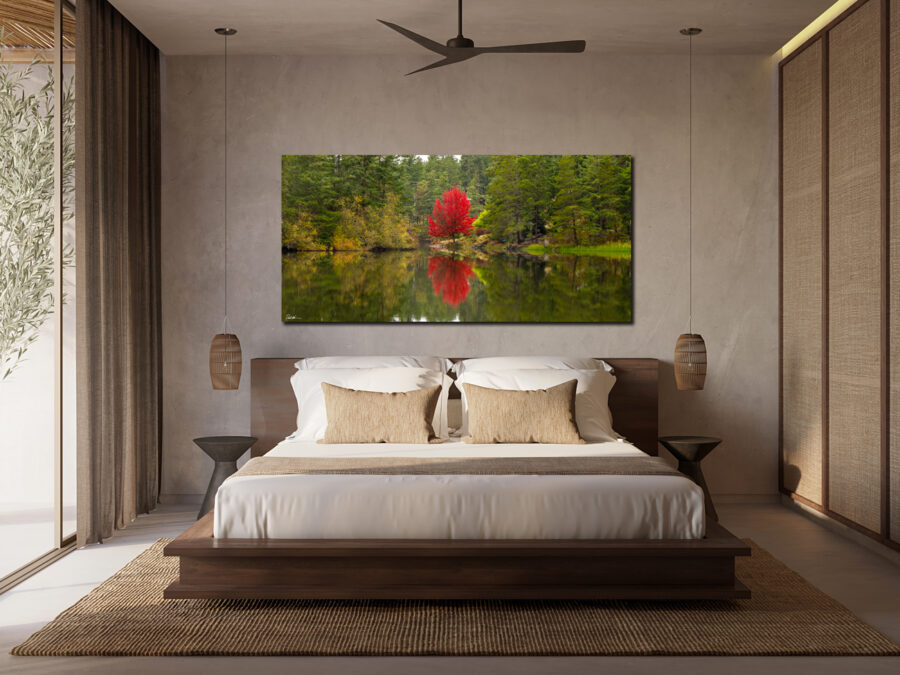
Be Different – Limited Edition Fine Art Print of 6 – Derek Nielsen Photography
1. The Shift to Online Discovery & Purchase
Gone are the days when art collecting was relegated solely to the gallery walls of major metropolises. A recent report from Artsy found that 59% of collectors surveyed purchased art online in 2024, and among that group, 73% said they bought more or at least as much in 2024 as in 2023.
Why this matters to you:
-
Online platforms now offer unprecedented access to works by photographers worldwide, including limited-edition prints you might not otherwise discover.
-
Because digital exposure reduces geographical friction, you can expand your search well beyond local galleries and access global opportunities from the comfort of your home.
-
For fine-art photography specially, the digital medium supports high-resolution presentation, close-up detail, edition information, and provenance documentation (all of which bolster collector confidence).
What to do:
Audit online platforms and ensure you’re working with trusted sites or directly with artists whose publishing and edition information is clear. When you view works online, ask for high-resolution files, edition size, printing process, framing/design specifications and shipping logistics. If you proceed to purchase, the digital trail should ideally be as transparent as an in-person gallery sale.
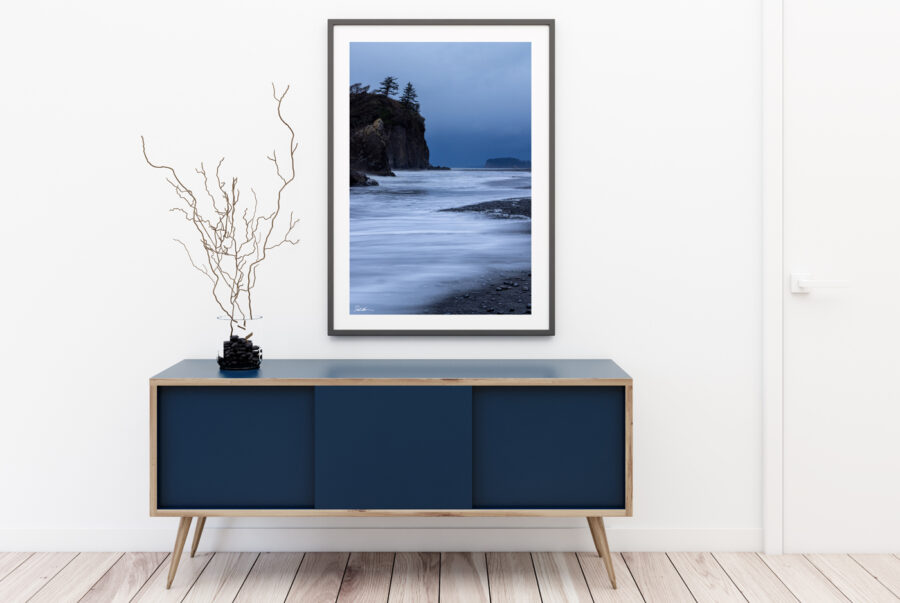
Moody Blues – Limited Edition Fine Art Print of 6 – Derek Nielsen Photography
2. Collectors Becoming More Selective
Collectors today are reported to be “more selective” than in recent boom years. According to the same Artsy study, 30% of collectors said they became more selective in 2024, and only 7% reported buying more art compared to 2023.
Why this matters:
In a time of economic caution, many buyers are focusing their collecting budgets on works that deliver threefold value: aesthetic, narrative, and lasting relevance. This means the “impulse buy” is less frequent, and the thoughtful acquisition is in ascendance. For you as a collector, this environment plays to your advantage you have time to research, reflect and engage rather than compete in a frenzied market.
What to do:
Set your acquisition criteria ahead of time: What does the work mean for you? How does it fit your space or collection story? What is the edition size and its long-term relevance? By being deliberate, you align more with works you will cherish and hold rather than merely speculate on.
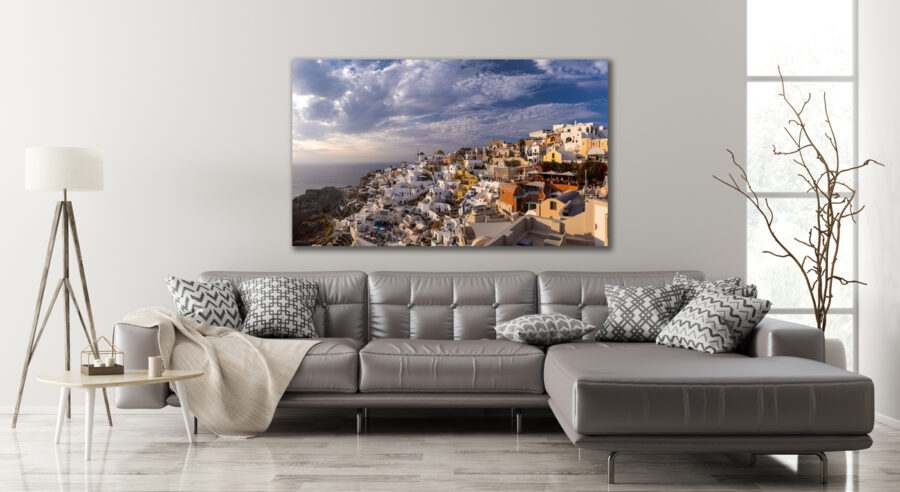
Elegant Oia – Limited Edition Fine Art Print of 6 – Derek Nielsen Photography
3. Transparency as the New Differentiator
One of the clearest findings: 69% of art collectors said they hesitated to buy art because of a lack of transparency whether about pricing, provenance or edition information.
Why this matters:
In photography and fine art (especially limited editions), clarity around edition size, printing technique, authenticity certificates, and shipping/installation logistics is essential. When transparency is weak, the risk increases both from a longevity standpoint and a value-retention standpoint.
What to do:
Always ask for a documentation package: artist statement, edition number (e.g., “Edition of 25, this is #8”), certificate of authenticity, provenance (who’s owned it, where it has been exhibited), condition report, and any conservation/maintenance recommendations. Ensure the seller publishes clear pricing or is comfortable sharing it. If not, proceed with caution.
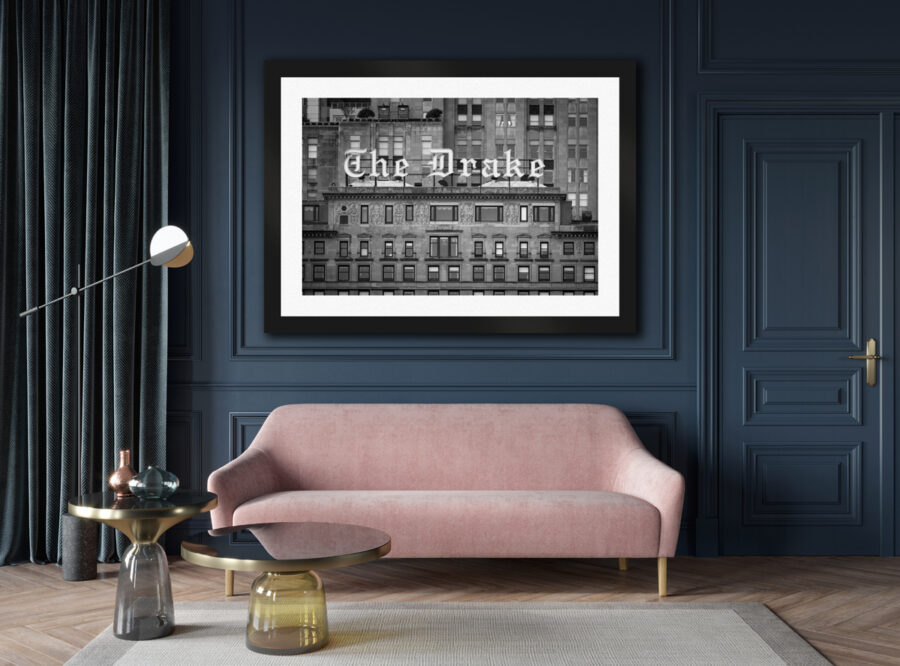
The Drake – Limited Edition Fine Art Print of 6 – Derek Nielsen Photography
4. Photography as a Serious Collectible Medium
Where once photography may have been seen as secondary to painting or sculpture in the collector world, it has now firmly established itself as a serious medium especially with limited editions, museum-quality printing and storytelling behind the work.
Why this matters:
If you’re interested in fine-art photography (as the work of your collection or your focus), you benefit not only from the visual appeal but from collecting in a field where scarcity, narrative, and technical achievement increasingly matter. Photography is increasingly recognized by galleries, institutions and serious collectors.
What to do:
Evaluate the print quality (paper, archival inks, printing lab, framing), the edition size (smaller editions often carry higher scarcity), the narrative behind the image (location, subject, conservation story), and the artist’s exhibition/credential history. These elements contribute to the work’s collector appeal and long-term relevance.
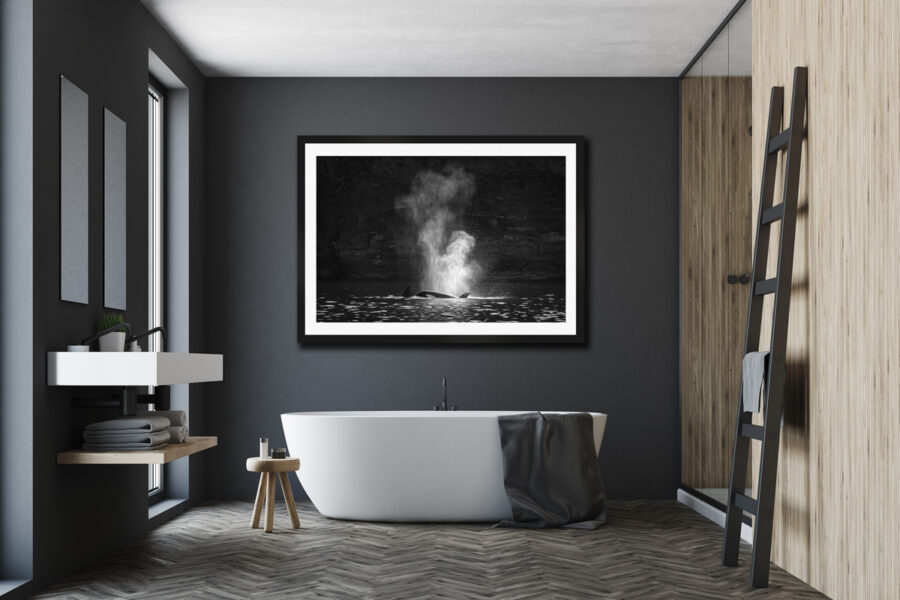
Salish Spray – Limited Edition Fine Art Print of 6 – Derek Nielsen Photography
5. Meaning-Driven and Conservation-Oriented Art
An emerging (and rapidly growing) theme in the market is artworks with meaning environmental, social, or cultural. For many collectors, owning art is no longer just about visual form; it’s about aligning with values.
Why this matters:
In fine-art photography, especially nature and conservation-oriented work, there is a dual narrative: the beauty of an image, and the story behind it. As a collector, you can buy not just a stunning photograph, but a statement and that adds intangible value.
What to do:
When considering a purchase, ask: What is the story behind this image? What does the artist stand for? Is there an element of “giving back,” or recognition of the environment/subject matter? Document that story, and think about how it fits your collection’s ethos.
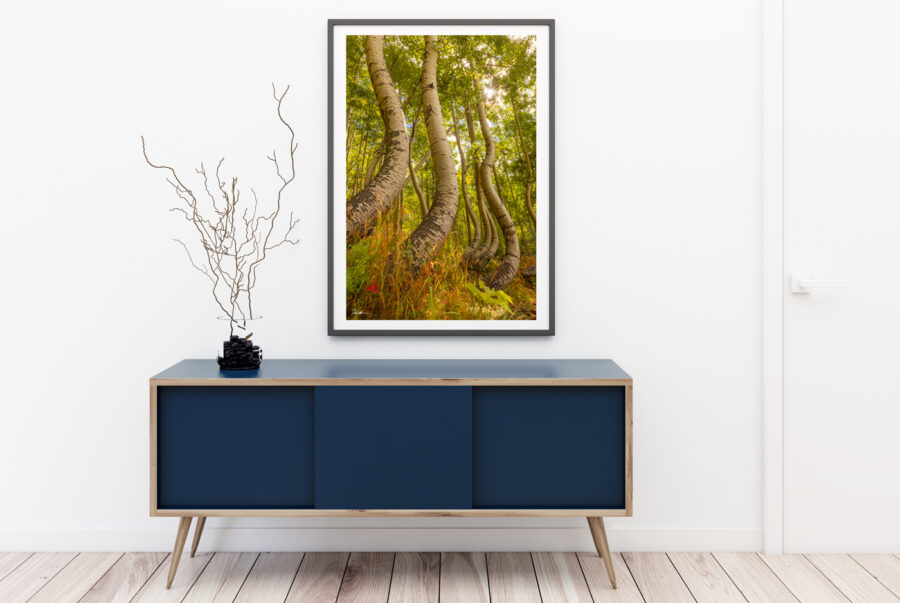
Dancing Trees – Limited Edition Fine Art Print of 6 – Derek Nielsen Photography
6. Entry-Level and Mid-Tier Price Zones Gaining Traction
While the ultra-high-end segment (works above US$10 million) is seeing contraction, entry and mid-price categories are gaining momentum. The first half of 2025 saw only modest declines in the “under US$1 million” range, while the higher tiers saw sharper drops.
Why this matters:
If you’re entering the collector space, this may be one of the most strategic times. With fewer competitors chasing the very top names, and more emphasis on quality at reachable price levels, you can build a meaningful collection that reflects your taste and values rather than simply chasing hype.
What to do:
Focus on works that feel right to you not just because they’re expensive. Consider limited-edition photography in the US$1,000-US$5,000 range (or whichever tier fits your budget). Ensure you’re comfortable with the edition size and believe in the work’s longevity. Think of the purchase as an acquisition you’ll value in 10 years, not just today.

Blue Moon Rising – Limited Edition Fine Art Print of 6 – Derek Nielsen Photography
7. Diversification of Buyer Demographics and Geographies
The collector base is becoming broader younger, more global, more diverse in terms of geography. Reports show collectors from new markets, younger age cohorts and non-traditional backgrounds are entering.
Why this matters:
For you, this means the market is not simply dominated by established players or certain geographies. Whether you source art domestically or internationally, you now have access to a vibrant network of galleries, online platforms and emerging artist markets. It also means less competitive pressure on certain segments you might target.
What to do:
Stay open to works by photographers from different geographies or cultural lenses (but still with collector-grade credentials). Use global channels and platforms, attend international fairs (or view them online). Consider how your purchase fits into the art-world’s increasingly global conversation.
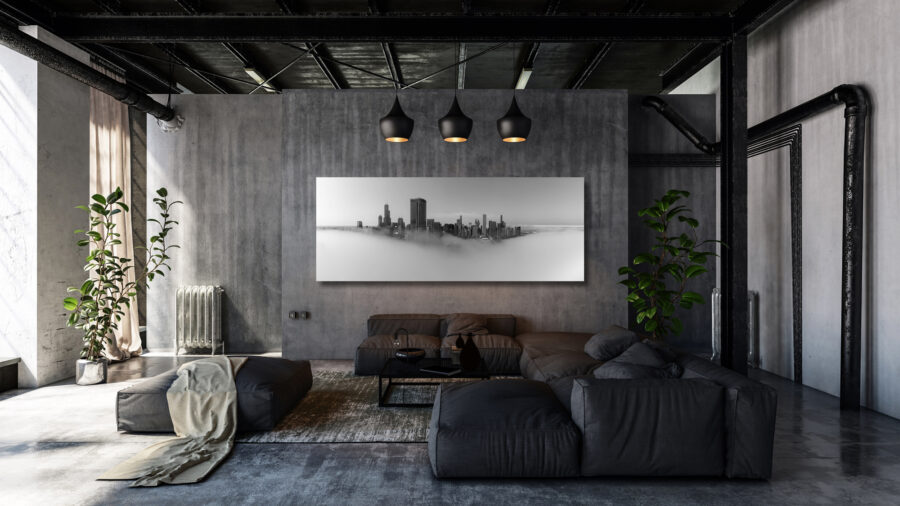
Castle In The Clouds – Limited Edition Fine Art Print of 1 – Derek Nielsen Photography
8. Small Editions, Print Runs & Photography Advantage
In the fine-art photography market, edition size matters: smaller editions mean greater scarcity, which often translates into stronger collector value. Because photography is reproducible by nature, transparency around edition and print run is critical to differentiate the collectible from the mass reproduction.
Why this matters:
When you buy a limited-edition photography print, you are acquiring not just a beautiful image, but a collectible item with controlled supply. That helps strengthen your position within the collecting world.
What to do:
Ask about edition size (e.g., “Edition of 12 plus AP (Artist’s Proofs)”). Understand whether prints are signed, numbered, framed, and perhaps accompanied by a certificate of authenticity. Retain all documentation. Consider asking about future availability are there re-editions planned, or is the edition closed forever? That clarity helps build value.
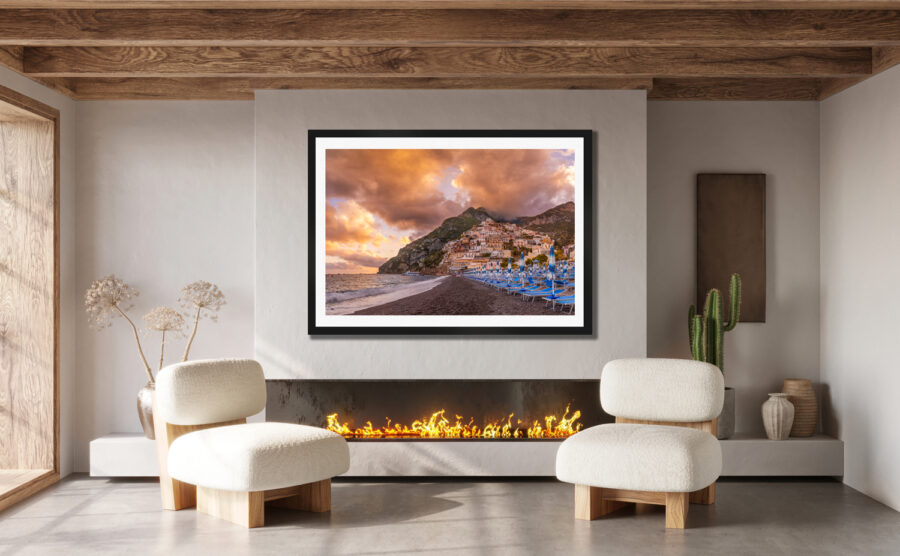
Positano Breeze – Limited Edition Fine Art Print of 6 – Derek Nielsen Photography
9. Private Sales & Bespoke Collector Experiences
Increasingly, art buying is shifting from public auction halls to private sales, curated consultancies and bespoke collector experiences. According to a market update, the private sales channel continues to grow as auctions face headwinds.
Why this matters:
If you are building a collection of fine-art photography, you may benefit from less visible, more personalized sale channels. This can mean access to limited-edition works, direct artist engagement, special framing/customization, and relationship-based negotiations all of which enhance the collector experience.
What to do:
Ask about private channels: Can you engage directly with the artist or gallery? Can you review upcoming editions before the public release? Are there customization options (size, framing, location installation)? Work with trusted advisors or art consultants if helpful.

Crossing The Mara – Limited Edition Fine Art Print of 6 – Derek Nielsen Photography
10. The Narrative of Legacy, Provenance & Collector Value
Collecting is not simply purchasing an image it’s acquiring a story, a legacy, a provenance. In photography, this means you care about where the work was exhibited, how many others own it, if it has been part of a collection, and if it has been maintained properly. Confidence in these aspects underpins long-term value.
Why this matters:
In a slower or recalibrating market, the works with deeper narratives, clean provenance, and collector-trusted editoning may perform better. For photography, this means your acquisition aligns with both your personal aesthetic and the broader collector market’s expectations of quality and authenticity.
What to do:
Maintain comprehensive records: artist biography, exhibition history, edition information, condition reports, installation history, shipping & handling receipts, framing details. Think of your purchase as part of the artwork’s story document it as such.
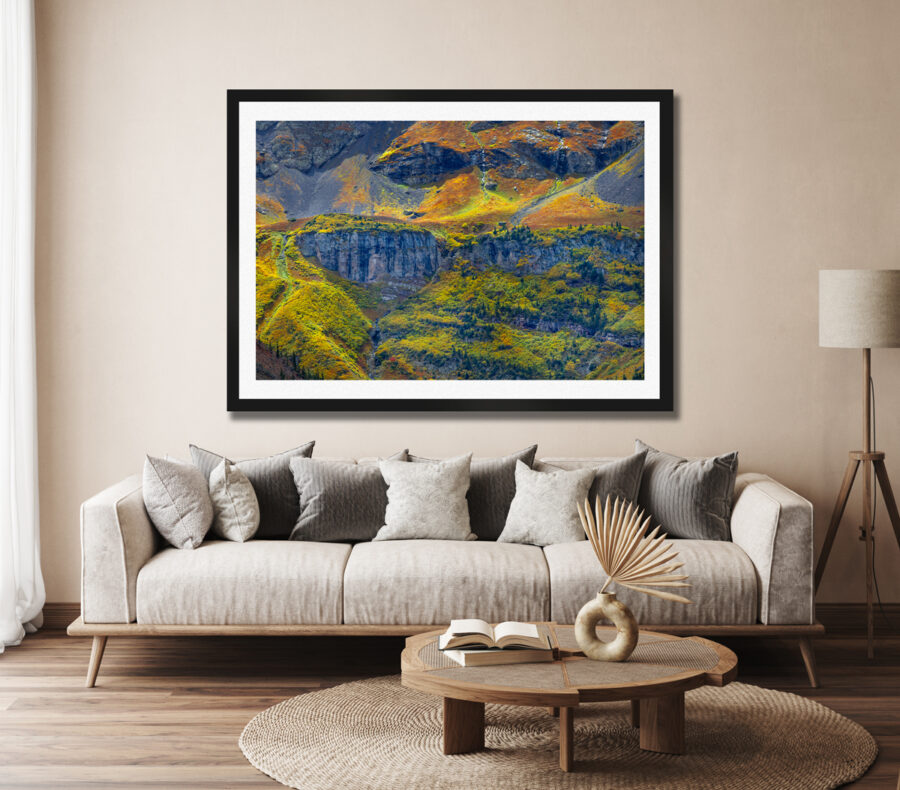
Mountain Canvas – Limited Edition Fine Art Print of 6 – Derek Nielsen Photography
Putting It All Together: A Collector’s Checklist
To synthesise these insights, here is a practical checklist you can keep in mind when acquiring fine-art photography (or art more broadly):
-
Research the artist: What is their exhibition history? Are they represented by known galleries? What is their edition practice?
-
Verify edition size and print quality: Is it signed and numbered? What materials were used?
-
Request provenance and documentation: Certificates, previous ownership, condition, installation history.
-
Understand pricing transparency: Does the gallery/artist list price or is it “on request”? What is included (framing, shipping, insurance)?
-
Consider how the work fits your collection: Does it reflect your taste, values, and long-term vision?
-
Think about the broader market: In today’s environment, fewer buyers may mean less competition but still aim for works you genuinely love, not just speculative buys.
-
Explore private sale or direct-artist channels for photography: This can offer you earlier access and customization.
-
Document everything: your acquisition becomes part of the work’s provenance story which adds value and meaning for you and future generations.
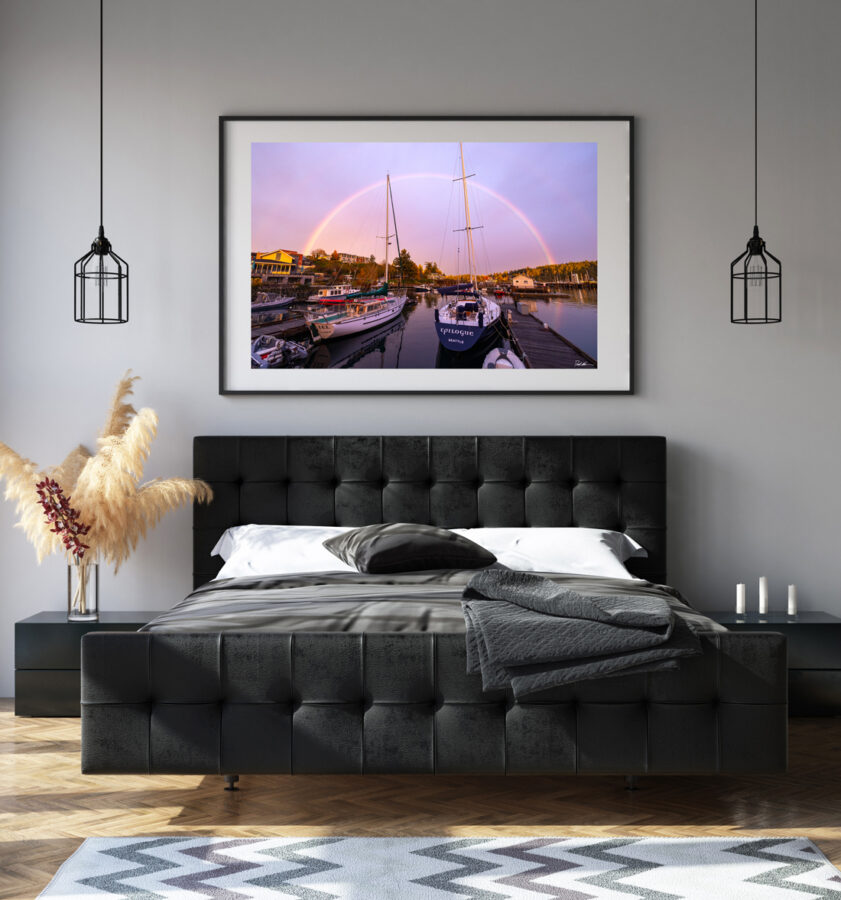
Friday Harbor – Limited Edition Fine Art Print of 6 – Derek Nielsen Photography
Why Fine-Art Photography Should Be Part of Your Portfolio
Photography offers a unique set of advantages in the collecting space:
-
Visual immediacy: The medium often delivers strong impact at first glance landscapes, light, nature, emotion.
-
Edition control: Fine-art photography can offer limited editions that combine scarcity with relevance.
-
Story-driven potential: Because photographs frequently connect viewers with a place, moment, or conservation theme, they carry meaning beyond visual form.
-
Affordability entry points: Especially in today’s market where mid and entry-level price zones are active, photography may allow you to access collector-grade works at relatively accessible levels.
-
Growing recognition: As photography gains nods from galleries and institutions, its stature as a collectible medium strengthens.
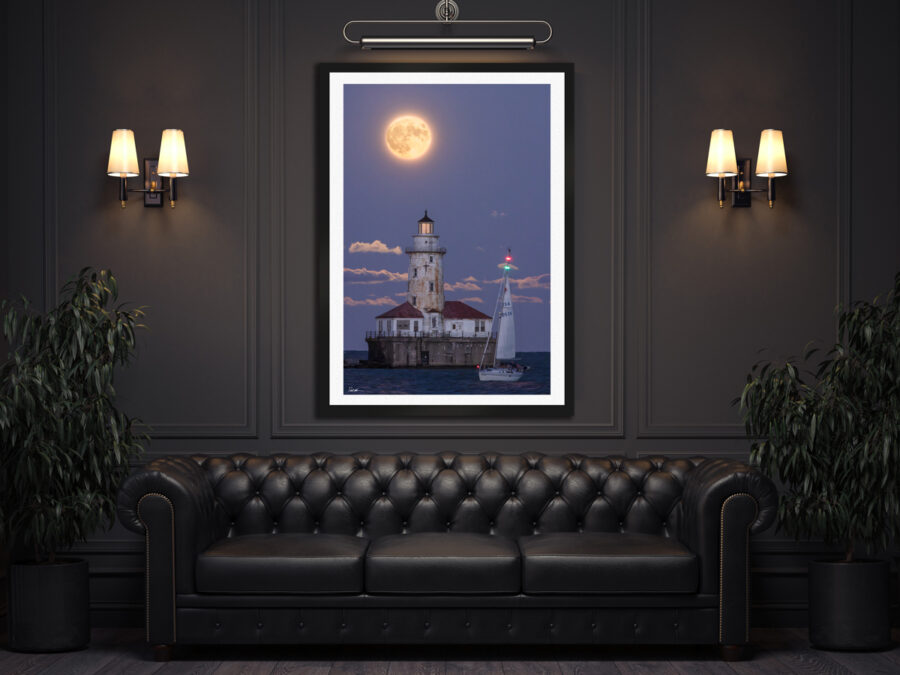
Super Moon Sail – Limited Edition Fine Art Print of 6 – Derek Nielsen Photography
Navigating The Fine Art Photography Market
In your role as collector, perhaps of fine-art photography (and particularly nature/conservation-focussed work), this is an opportune moment. The market recalibrates, digital channels expand, and narrative-rich works resonate strongly. Approach your acquisitions with the clarity of vision, purpose, and a sense of both beauty and value. Seek out works you love, supported by transparent edition information, strong print credentials and a story you will remain proud to live with.
The essence of collecting is personal: you do not buy simply to own, but to enrich your space, reflect your values and engage in a lasting dialogue with art. When you combine that personal intention with rigorous research and a strategic mindset, your collection becomes not just a set of assets, but a legacy one that reveals itself more richly over time.
May your next acquisition bring you not only beauty, but depth, meaning, and enduring satisfaction.

Hello! I'm Derek.
DEREK NIELSEN PHOTOGRAPHY RAISES AWARENESS ABOUT THE GLOBAL NEED FOR CONSERVATION THROUGH PHOTOGRAPHY AND DONATES UP TO 15% OF ALL SALES BACK TO ENVIRONMENTAL ORGANIZATIONS AROUND THE WORLD.