Where to Buy Large Fine Art Landscape Photography Prints for Your Home
By Derek Nielsen | Fine Art Landscape & Conservation Photographer
Looking for large fine art landscape photography prints for your home? The best place to begin is with a professional fine art photographer or established gallery specializing in original, museum-quality photographic artwork. Unlike mass-produced wall décor, collectible landscape photography offers something more personal: a carefully composed image, professional printing, and often a limited edition that connects you directly to the artist.
Large landscape photographs can transform an ordinary wall into an extraordinary experience. Whether you’re searching for a dramatic mountain panorama, a peaceful forest, an expansive ocean scene, or a remote wilderness, the right photograph brings the beauty of the natural world into your home.
As a fine art nature photographer, I’ve spent years exploring wild landscapes and creating photographs intended to become lasting works of art. I believe the best landscape photography does more than decorate a room. It tells a story, creates an emotional connection, and reminds us of places worth protecting.
In this guide, I’ll explain where to purchase large fine art landscape prints, how to recognize quality, what to expect when buying limited-edition photography, and how to choose artwork you’ll appreciate for years.
Where Is the Best Place to Buy Large Fine Art Landscape Photography?
The best places to purchase large landscape photography include professional photographers’ galleries, established fine art galleries, reputable online art marketplaces, and specialty photography exhibitions.
Each offers a different purchasing experience.
| Where to Buy | Best For | What to Consider |
|---|---|---|
| Directly from a fine art photographer | Original artwork, artist relationships, limited editions | Verify printing quality, edition details, and fulfillment |
| Fine art photography galleries | Curated collections and professional guidance | Gallery commissions may influence pricing |
| Online fine art marketplaces | Comparing artists, subjects, and styles | Quality and edition practices vary |
| Photography exhibitions and art fairs | Seeing artwork in person | Selection may be limited to exhibited pieces |
| Mass-market décor retailers | Affordable decorative prints | Often lack scarcity, artist provenance, or collectible qualities |
1. Buying Directly From a Fine Art Landscape Photographer
For collectors seeking distinctive artwork, purchasing directly from a photographer is an excellent option.
Buying directly allows you to learn about the artist’s process, understand the story behind a photograph, and ask questions about print materials, dimensions, and editions.
Some photographers also offer custom sizes, framing guidance, and assistance selecting artwork for a particular space.
At Derek Nielsen Photography, I offer a curated collection of landscape and nature photography captured during my travels through some of the world’s remarkable wilderness areas.
My collection includes mountains, forests, oceans, deserts, polar landscapes, and other natural environments. Many works are offered in small limited editions, allowing collectors to own something uncommon rather than a mass-produced decorative image.
Purchasing directly from an artist also creates a meaningful connection between the collector and the person who experienced and photographed the landscape.
2. Purchasing Through Fine Art Photography Galleries
Traditional galleries let you experience photography as physical artwork.
This can be particularly valuable when considering large pieces because scale, surface finish, and lighting influence how a photograph appears.
A gallery can also provide information about the photographer’s exhibition history, edition practices, and professional reputation.
However, gallery representation and pricing structures vary. A gallery’s involvement doesn’t automatically guarantee superior artwork, just as buying directly from an artist doesn’t mean compromising quality.
What matters most is the artwork’s integrity, the printing process, and the photographer’s commitment to collectors.
3. Shopping Online for Museum-Quality Landscape Prints
Online galleries have made collecting fine art photography more accessible.
Today, collectors can explore original artwork from photographers worldwide without visiting a physical gallery.
When shopping online, look for detailed photos of the finished prints, close-ups, accurate dimensions, information on printing materials, and clear ordering policies.
A professional online gallery should also explain whether artwork is limited edition, signed, accompanied by documentation, or available in multiple finishes.
The more transparent the artist is about the product, the more confidently you can make a purchasing decision.
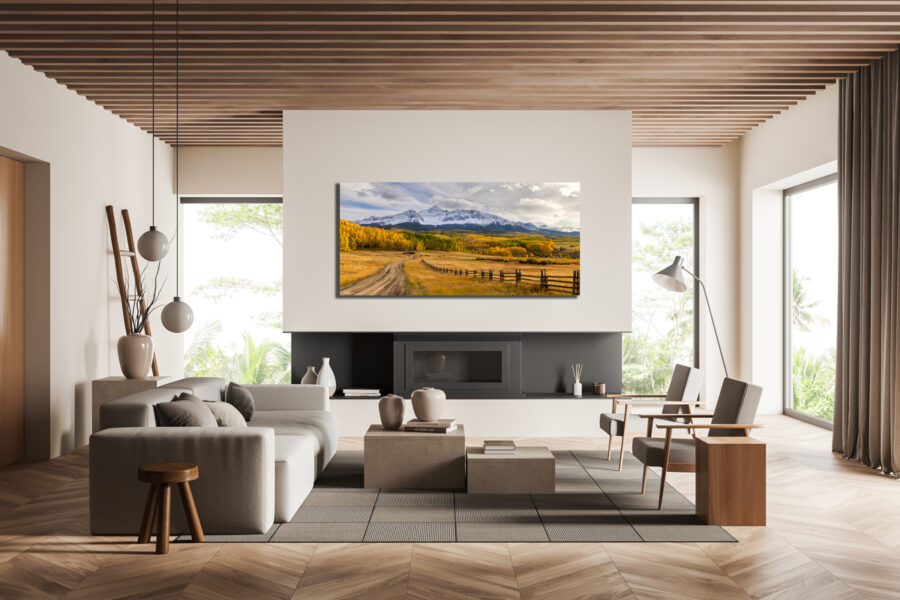
Golden Glory – Limited Edition Fine Art Print of 6 – Derek Nielsen Photography
What Makes a Large Landscape Photography Print Museum Quality?
Museum-quality landscape photography combines a high-quality original image with professional printing, archival materials, careful finishing, and proper handling.
The phrase museum quality is widely used in art marketing, but it is not a single universal certification. Buyers should look beyond the label and understand how the artwork is produced.
Image Resolution and Photographic Detail
Producing a beautiful large-format print begins long before the printing process.
The photographer must capture an image with sufficient technical quality to reproduce its intended details at the desired size.
Resolution matters, but it is not the only consideration.
Sharpness, lens performance, exposure, image processing, printing technology, and expected viewing distance all influence the final result.
A large photograph viewed from several feet away has different requirements than a small print examined up close.
This is one reason purchasing from an experienced fine art photographer matters. The artist should understand how an image translates from a digital file into a finished physical artwork.
Professional Fine Art Printing Materials
The printing medium plays a significant role in the finished appearance.
Three common options include:
Fine art photographic paper: A traditional choice that offers beautiful tonal transitions, subtle textures, and flexibility for custom framing.
Acrylic face-mounted photography: A contemporary presentation that can produce exceptional apparent depth, vivid color, and a polished gallery-style finish.
Metal photography prints: A durable, modern presentation known for its clean appearance and strong visual impact.
Each has advantages depending on the image, environment, and collector’s preferences.
For a more detailed comparison, read my guide to metal, acrylic, and fine art paper photography prints.
Archival Quality and Longevity
Collectors should ask about the expected longevity of the print materials.
Archival papers, stable inks or photographic processes, protective mounting materials, and appropriate framing can contribute to a photograph’s long-term preservation.
However, no print is immune to environmental damage.
Direct sunlight, excessive humidity, heat, and improper handling can shorten the life of artwork regardless of its original quality.
When purchasing large fine art photography, ask the artist about the printing process and recommended care.
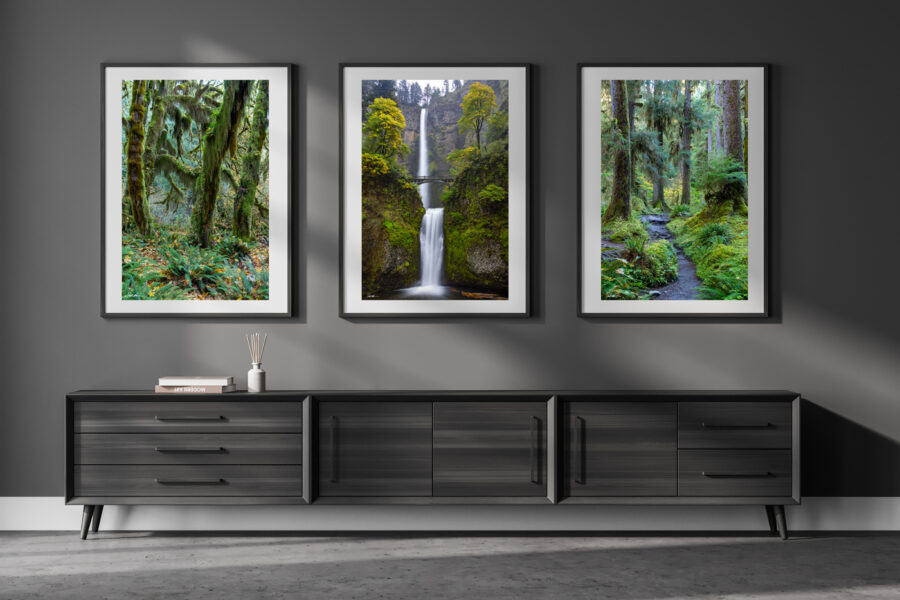
Collection of Pacific Northwest Photography by Derek Nielsen
Why Buy Limited-Edition Landscape Photography Instead of Mass-Produced Wall Art?
One of the most important distinctions in fine art photography is the difference between limited-edition artwork and mass-produced decorative prints.
Limited-edition photography is produced according to a predetermined edition policy, while open-edition artwork can generally be reproduced without a fixed numerical limit.
Neither category is inherently beautiful or valuable simply because of its edition status. However, edition size can be important to collectors who value scarcity and provenance.
Understanding Photography Edition Sizes
A limited edition might contain 6, 25, 50, or 100 prints, depending on the artist and the specific artwork.
Collectors should determine whether the edition applies to all sizes and materials combined or whether separate editions exist for different formats.
For example, a photographer may offer one edition of six large acrylic prints and another edition of smaller paper prints.
These distinctions should be explained before purchasing.
At Derek Nielsen Photography, many of my landscape works are offered in editions of six within designated size categories, although edition policies vary by artwork.
My philosophy is that the rarity of a photograph should be clearly defined and respected.
Does Limited-Edition Photography Increase in Value?
Limited-edition photography can have collectible value, but scarcity alone does not guarantee appreciation.
An artwork’s future market value depends on numerous factors, including the photographer’s reputation, exhibition history, collector demand, provenance, condition, and secondary-market activity.
Collectors should be cautious of anyone promising that a photograph will increase in price.
I encourage buyers to choose artwork because they genuinely love it.
A photograph that continues to inspire you every time you enter a room offers a meaningful return, regardless of what happens in the art market.
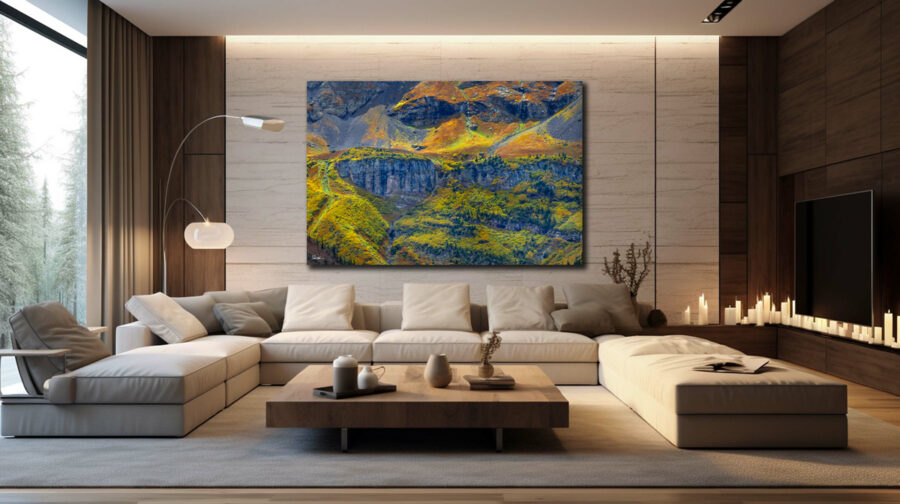
Mountain Canvas – Limited Edition Fine Art Print of 6 – Derek Nielsen Photography
How Much Do Large Fine Art Landscape Photography Prints Cost?
The price of large fine art landscape photography varies considerably.
Size, materials, edition limits, artist reputation, printing complexity, and framing all influence the final cost.
A decorative landscape print from a mass-market retailer may cost less than $200, while original limited-edition photographic artwork can range from several hundred dollars to many thousands.
Established photographers with significant collector demand may command substantially higher prices.
What Are You Paying For?
When purchasing professional fine art photography, the price reflects more than the cost of printing.
It may include:
- Years of artistic development and photographic experience
- Travel, fieldwork, and the creation of the original image
- Professional image preparation and color management
- Specialized printing and archival materials
- Limited-edition production and documentation
- Finishing, mounting, packaging, and fulfillment
Consider the difference between a photograph printed inexpensively for temporary decoration and an artwork produced to remain part of a home or collection for decades.
Both can serve a purpose, but they are fundamentally different purchases.
Is Buying Directly From a Photographer Less Expensive?
Sometimes.
Purchasing directly can eliminate certain gallery commissions and may provide more flexibility for custom orders.
However, direct pricing is not always lower, and many established artists maintain consistent pricing across sales channels.
The real advantage is transparency and access to the artist’s expertise.
When buying a substantial piece, that relationship can be especially valuable.

Watchman’s Gone – Limited Edition Fine Art Print of 6 – Derek Nielsen Photography
What Size Landscape Photography Print Should You Buy?
Large fine art landscape photography typically refers to artwork approximately 40 inches wide or larger, although definitions vary.
The ideal size depends on the room, available wall space, furniture, and the photograph’s composition.
A dramatic panoramic image may work beautifully across a long wall, while a vertically composed forest photograph may suit a narrower space.
Here is a practical starting point:
| Print Width | Common Application |
|---|---|
| 24–36 inches | Bedrooms, offices, and smaller feature walls |
| 40–48 inches | Living rooms, dining rooms, and medium statement walls |
| 50–60 inches | Large walls, above sofas, and spacious interiors |
| 70–80 inches | Luxury residences, open-plan spaces, and dramatic focal points |
| 90 inches and above | Expansive walls and custom installations |
These are general guidelines, not strict rules.
A large photograph should feel intentional in its surroundings.
Why Oversized Landscape Photography Makes an Impact
Large-scale landscape photography allows viewers to experience a scene in a way that smaller prints cannot always achieve.
A mountain range becomes expansive. A forest feels immersive. An ocean horizon creates a sense of openness.
The details that might be overlooked in a small image become part of the experience.
When I photograph a remarkable landscape, I often imagine how the scene might eventually appear as a large print.
The goal is not simply to make an image bigger. It is to preserve the feeling of standing in that place.
For additional advice on placement and proportion, see my guide to choosing fine art photography for your home.
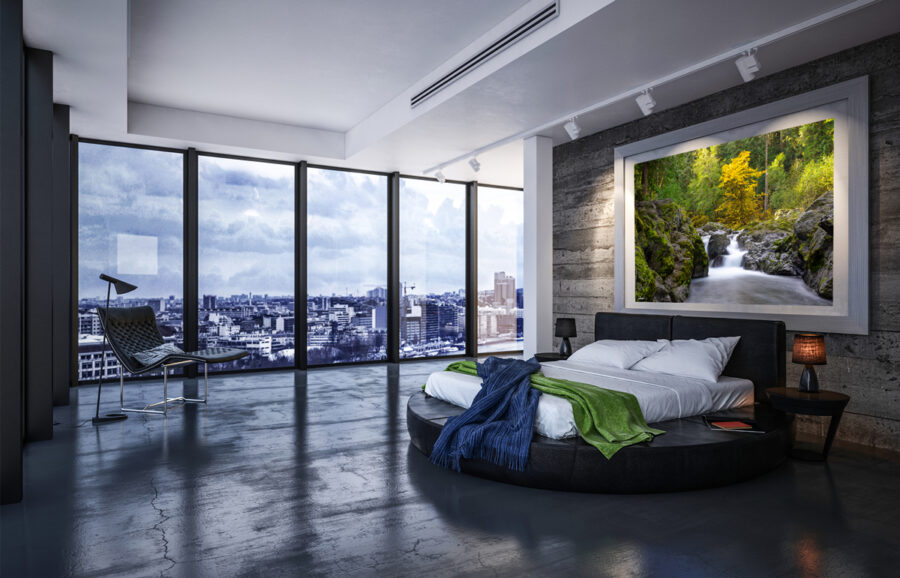
Sol Duc Serenity – Limited Edition Fine Art Print of 6 – Derek Nielsen Photography
What Types of Landscape Photography Are Best for Large Prints?
The best subject is ultimately the one that creates a personal connection.
However, certain landscape subjects lend themselves particularly well to large-format presentation.
Mountain Landscape Photography
Mountains communicate scale, resilience, adventure, and timelessness.
From dramatic alpine peaks to quiet valleys illuminated by morning light, mountain photography can create a powerful focal point.
Collectors who enjoy hiking, skiing, travel, and wilderness experiences often feel a personal connection to mountain imagery.
For example, a large photograph of the Grand Canyon can evoke the immense scale of the American Southwest.
Featured artwork: Grandview — Grand Canyon Fine Art Photography
Forest and Tree Photography
Forests offer extraordinary opportunities for fine art photography.
Moss-covered trees, changing autumn colors, fog, and filtered sunlight create compositions that can feel peaceful, mysterious, or deeply immersive.
Forest photography can also introduce organic forms and natural textures into contemporary interiors.
A large forest photograph often encourages the viewer to slow down and explore the image rather than taking it in at a single glance.
Ocean and Coastal Landscape Photography
Coastal landscapes combine movement, texture, and space.
Ocean photographs can range from minimalist horizons to dramatic waves, rugged shorelines, and storm-filled skies.
They are particularly effective in rooms where a collector wants to create a feeling of openness.
The strongest coastal photographs communicate more than a beautiful destination. They capture the personality of the ocean itself.
Polar and Wilderness Photography
Remote wilderness photographs offer something increasingly rare: a glimpse into places that remain largely beyond everyday human experience.
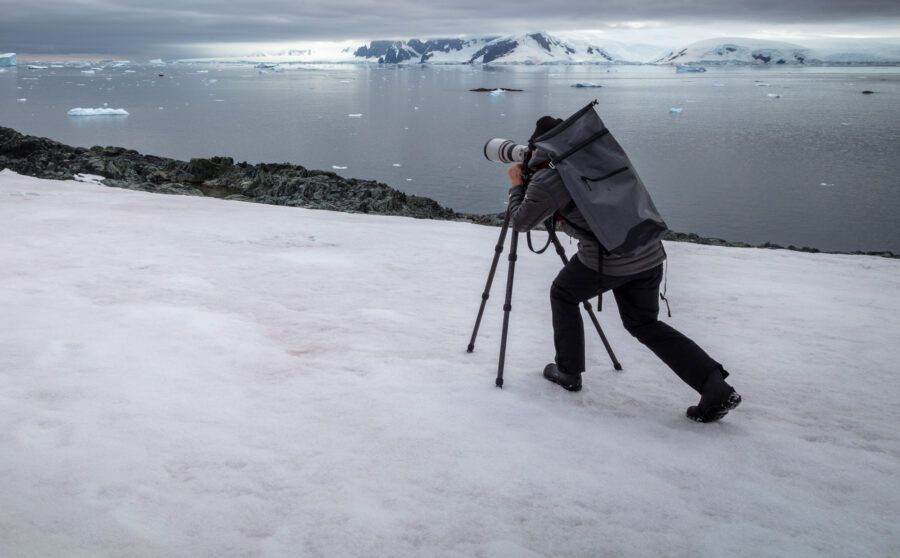
Antarctica, in particular, has profoundly influenced my understanding of wild places.
Its monumental ice formations, expansive waters, and extraordinary isolation create scenes that feel almost otherworldly.
A large Antarctic photograph can become both a striking work of art and a conversation about the importance of protecting fragile ecosystems.
Featured artwork: Last Frontier — Antarctica Fine Art Landscape Photography
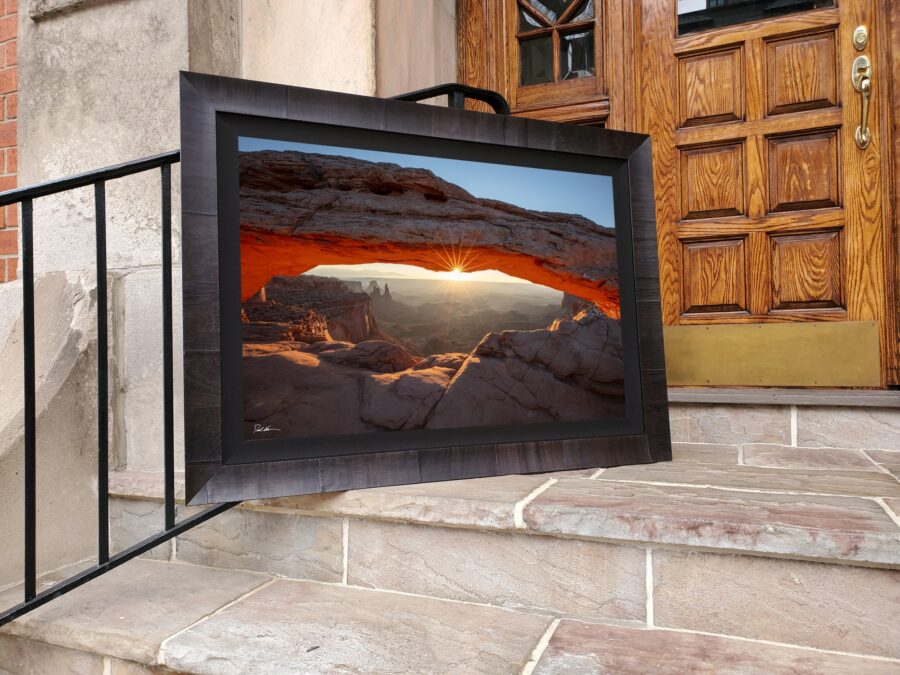
Sundial – Limited Edition Fine Art Print of 6 – Derek Nielsen Photography
Should You Buy a Framed or Unframed Landscape Photograph?
This decision depends on the printing material, aesthetic preference, and installation requirements.
A traditional fine art paper photograph usually benefits from professional framing that provides structural support and appropriate protection.
Acrylic face-mounted artwork often uses concealed mounting hardware, creating a contemporary floating appearance without a conventional exterior frame.
Some collectors prefer the warmth and texture of traditional framing, while others appreciate the clean presentation of acrylic.
Before ordering, consider the artwork’s final outside dimensions, total weight, mounting requirements, and shipping logistics.
These details become increasingly important as print sizes increase.
At Derek Nielsen Photography, selected works are available in multiple finishes and sizes, including large Lumachrome acrylic presentations.
You can review the available options and ordering details in my fine art print purchasing guide.
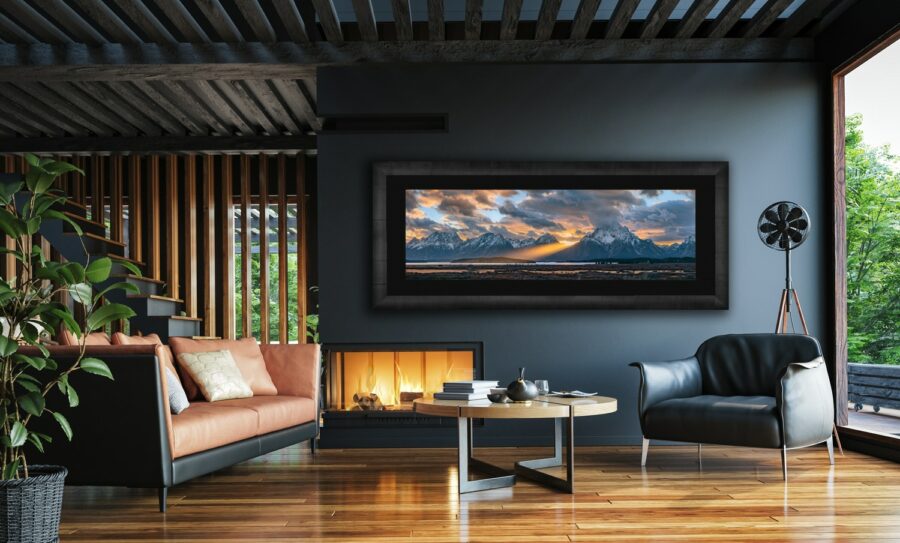
Heaven’s Gate – Limited Edition Fine Art Print of 50 – Derek Nielsen Photography
Five Questions to Ask Before Buying Large Fine Art Landscape Photography
Before investing in a substantial photograph, I recommend asking the following questions.
1. Is this an original photograph by the artist?
Confirm the artwork’s creator and whether you are purchasing an authorized reproduction.
2. Is the photograph limited edition?
If so, ask about the total edition size, size-specific editions, artist proofs, and accompanying documentation.
3. What printing materials are used?
Understand whether the work is produced on archival photographic paper, acrylic, metal, or another medium.
4. What happens if the artwork arrives damaged?
Large photographs require specialized packaging and careful shipping. Review the artist’s damage-reporting and replacement policies.
5. Can I speak with the artist before purchasing?
For a significant acquisition, direct communication can help clarify size, finish, installation, and other details.
A professional artist or gallery should be willing to answer reasonable questions about the work.
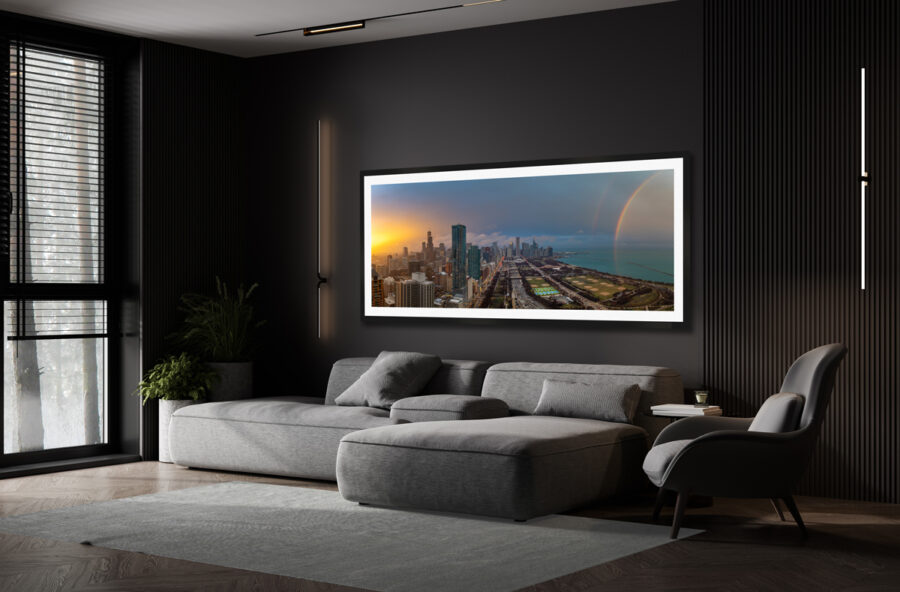
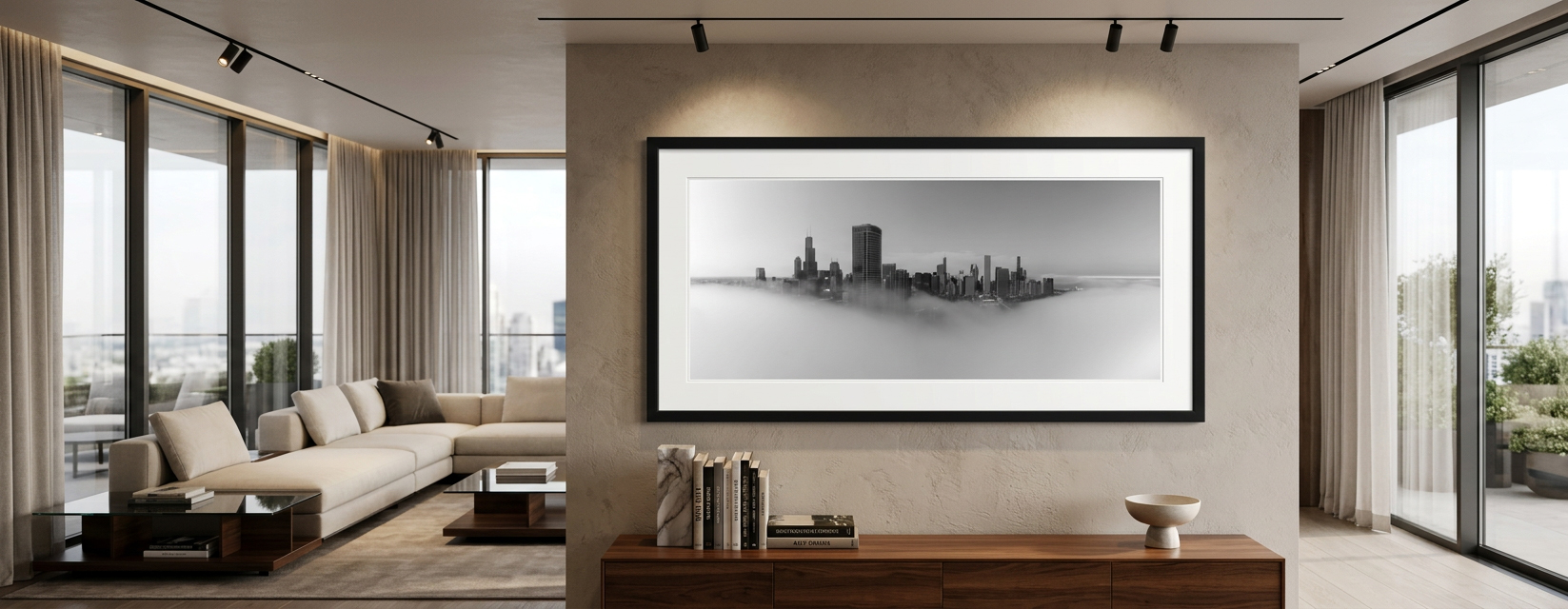
Chicago On Fire – Limited Edition Fine Art Print of 6 – Derek Nielsen Photography
Frequently Asked Questions About Buying Large Landscape Photography
Where can I buy original landscape photography prints online?
You can purchase original landscape photography directly from professional photographers, established galleries, and reputable fine art marketplaces. Look for clear authorship, print specifications, edition information, and transparent purchasing policies.
What is the best material for a large landscape photograph?
There is no universally best material. Acrylic can emphasize color and apparent depth, fine art paper offers a traditional presentation, and metal provides a contemporary alternative. The right choice depends on the photograph and display environment.
Are large fine art photography prints worth buying?
They can be worthwhile for collectors who appreciate original photographic art, professional craftsmanship, and the emotional connection created by a particular image. Future resale value should not be assumed.
Can landscape photography be printed six feet wide?
Yes. Many professionally captured landscape photographs can be produced at six feet wide or larger, provided the image quality and printing process support the intended dimensions and viewing distance.
Is it better to buy landscape photography directly from the artist?
Buying directly often provides access to the artist’s knowledge, original stories, detailed edition information, and personalized guidance. Galleries also offer valuable services, so the best option depends on the individual artwork and purchasing experience.
How do I know whether a photography print is truly limited edition?
Review the artist’s published edition policy and documentation. Confirm whether the stated limit applies across all sizes and finishes or separately to particular configurations.

Discover Large Fine Art Landscape Photography by Derek Nielsen
I believe the most meaningful artwork is something you develop a relationship with.
It might remind you of a mountain range you once explored, a coastline you dream of visiting, or a quiet moment in nature when everything seemed to stand still.
For me, landscape photography has always been about more than documenting beautiful places.
It is about sharing the feeling of being there.
Every photograph represents a moment of connection with the natural world. Some images are created after days of waiting for the right conditions. Others emerge unexpectedly during a journey.
What they share is an attempt to preserve something extraordinary.
Through Derek Nielsen Photography, I offer collectors a selection of original fine art landscape and nature photographs produced with professional materials and careful attention to presentation.
Many are available in limited editions, with large-format options intended to bring the scale and beauty of the outdoors into homes and professional spaces.
My photography is also connected to a broader conservation mission. Print sales help support conservation efforts, allowing collectors to participate in protecting the natural places that inspire the work.
If you’re considering a large fine art landscape photograph, I invite you to explore my collections, discover the stories behind individual images, and find a piece that speaks to you.
Explore Derek Nielsen’s Limited-Edition Nature Photography Collections
Learn How to Order a Fine Art Print
Because the best photograph for your home isn’t necessarily the most dramatic, expensive, or popular image.
It’s the one you never get tired of looking at.
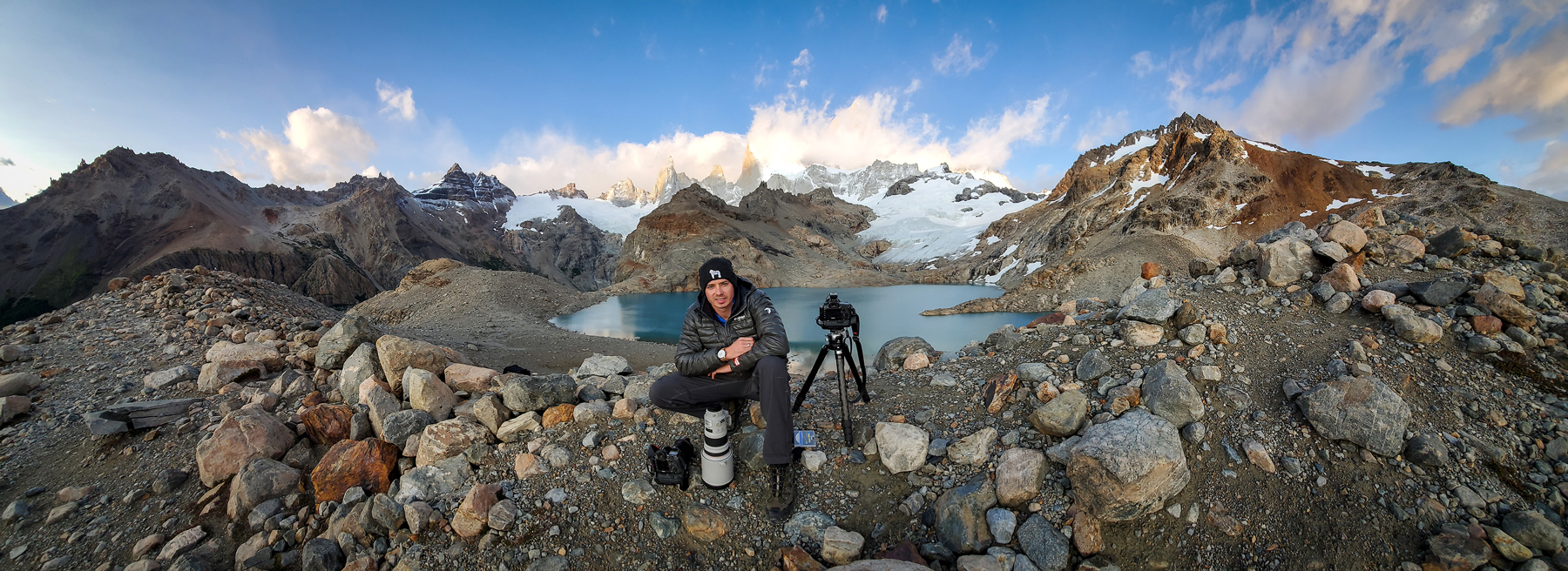
Hello! I'm Derek.
DEREK NIELSEN PHOTOGRAPHY RAISES AWARENESS ABOUT THE GLOBAL NEED FOR CONSERVATION THROUGH PHOTOGRAPHY AND DONATES UP TO 15% OF ALL SALES BACK TO ENVIRONMENTAL ORGANIZATIONS AROUND THE WORLD.