
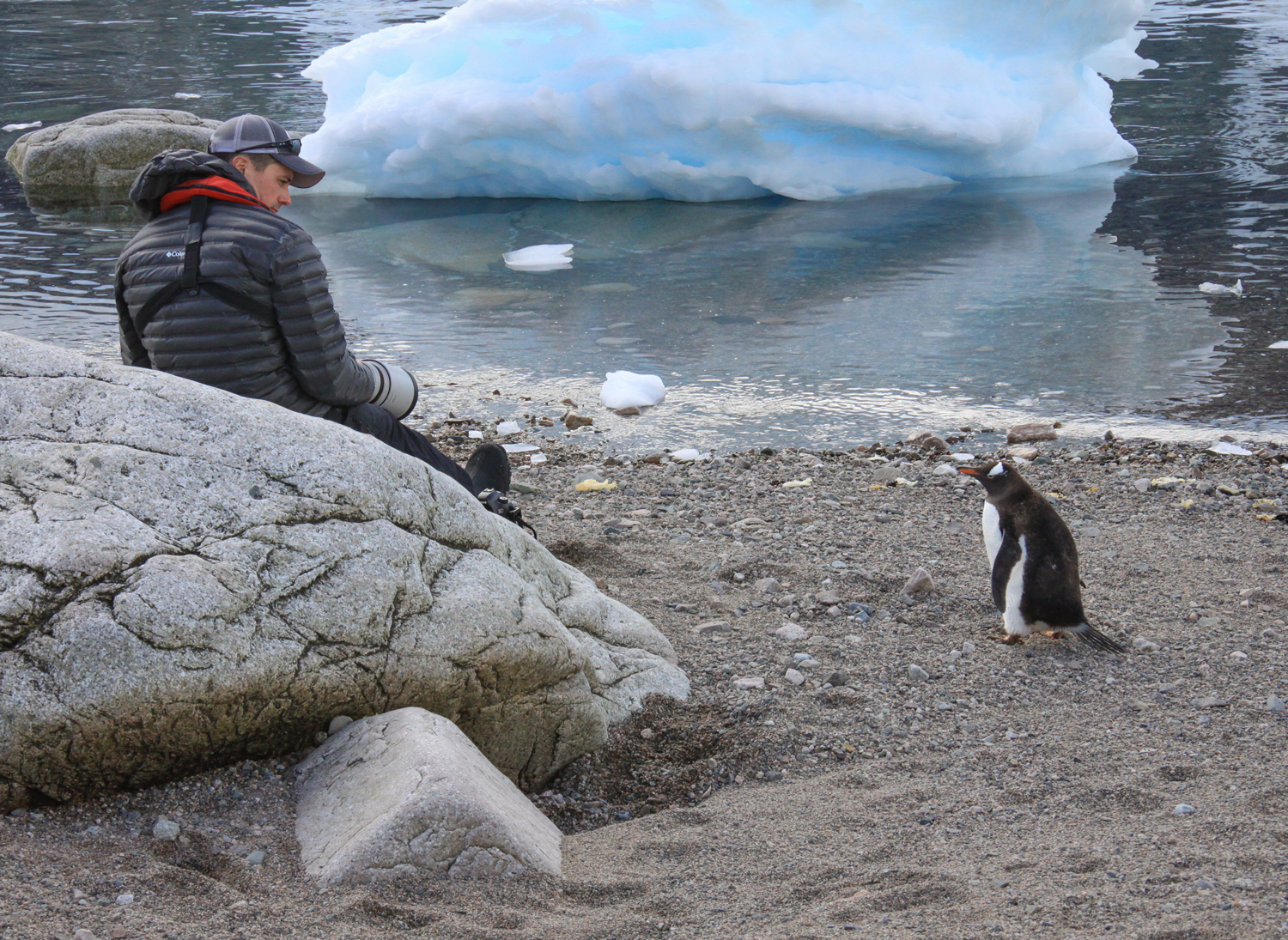
Our connection to nature is disappearing. In an increasingly digital world, reconnecting with the natural world may be one of the most important things we can do, for ourselves, our communities, and the future of our planet. Every morning, millions of us wake up to the glow of a screen before we ever see the sunrise. We spend our days moving between offices, cars, coffee shops, and homes, connected to the world through technology but often disconnected from the one place that has sustained humanity for thousands of years: nature. It wasn’t always this way.
For most of human history, our survival depended on understanding the rhythms of the natural world. We knew the changing seasons, followed the migration of animals, watched the weather with intention, and measured time by the position of the sun rather than the notifications on our phones. Nature wasn’t something we visited, it was where we lived.
Today, many people experience nature as an occasional escape rather than an essential part of everyday life. Yet research continues to show that our physical health, mental well-being, creativity, and even our relationships improve when we spend meaningful time outdoors. Beyond these personal benefits, maintaining a connection to nature may be one of the most powerful ways to inspire conservation and ensure future generations inherit a healthy planet.
As a conservation photographer, I’ve been fortunate to stand in some of the world’s most extraordinary places, from the glaciers of Iceland and the rainforests of Borneo to the savannas of Africa and the mountains of North America. I’ve witnessed breathtaking beauty, but I’ve also witnessed profound change. Those experiences have reinforced one simple truth:
We protect what we love, and we cannot truly love what we have forgotten.
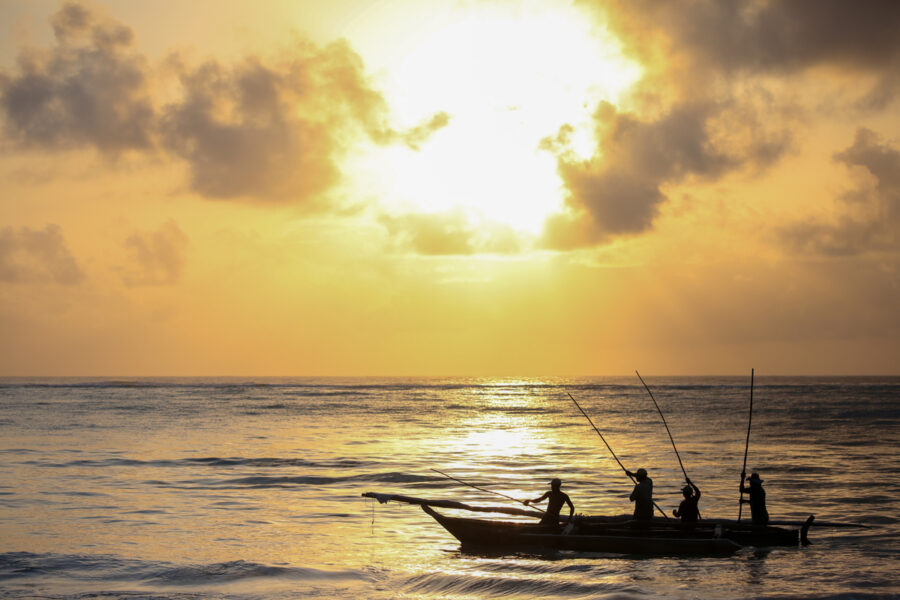
Humanity’s Original Home
There’s a reason people instinctively feel calmer when walking through a forest, listening to ocean waves, or sitting beside a mountain lake. Nature isn’t foreign to us. It’s home. Scientists often refer to the concept of biophilia, the idea that humans possess an innate tendency to seek connections with the natural world. While the term may sound academic, most people have experienced it without realizing it.
It’s the feeling of taking a deep breath at the edge of the ocean. The quiet awe of watching autumn leaves fall and the excitement of spotting a bald eagle soaring overhead. Or, the peace that comes from hearing birdsongs after a stressful day.
These experiences aren’t accidents. They remind us of something deeply rooted within us a relationship with the natural world that has existed since the beginning of our species. Yet modern life often pulls us away from these experiences. As our schedules become busier and our attention becomes increasingly fragmented, our opportunities to reconnect become fewer. Ironically, we’ve never been more connected digitally while simultaneously becoming more disconnected from the living world around us.
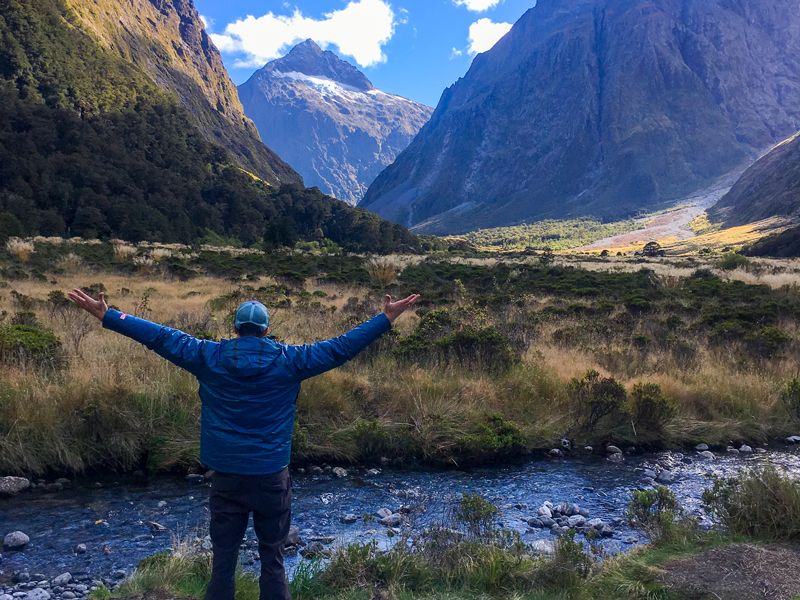
The Health Benefits of Spending Time Outside
The benefits of nature extend far beyond beautiful scenery. An increasing body of scientific research demonstrates that spending time outdoors can improve nearly every aspect of our health.
One of the most immediate benefits is stress reduction. Within minutes of entering a natural environment, heart rates often decrease, blood pressure begins to normalize, and cortisol, the body’s primary stress hormone, can decline. Unlike many modern forms of entertainment, nature doesn’t compete for our attention; it restores it.
Time outdoors has also been linked to improved mental health. Studies show lower rates of anxiety and depression, along with greater overall emotional well-being, in people who spend more time in natural settings. Many psychologists now encourage patients to incorporate regular outdoor activity into treatment plans because nature helps interrupt cycles of rumination and mental fatigue. It provides something increasingly rare in modern life: silence, space, and perspective.
The physical health benefits are equally significant. Whether hiking, walking, kayaking, cycling, or simply exploring a local park, time outside naturally encourages movement. This combination of exercise, fresh air, and sunlight supports cardiovascular health, strengthens the immune system, improves sleep quality, and increases energy levels. Even short daily walks through green spaces have measurable positive effects.
Nature also plays a powerful role in creativity. Some of our greatest ideas don’t happen in conference rooms, they happen while walking, wandering, and exploring. Without constant digital interruptions, the brain enters a more reflective state where creativity can flourish. For this reason, many artists, writers, entrepreneurs, and innovators intentionally seek time in nature to support deeper thinking.
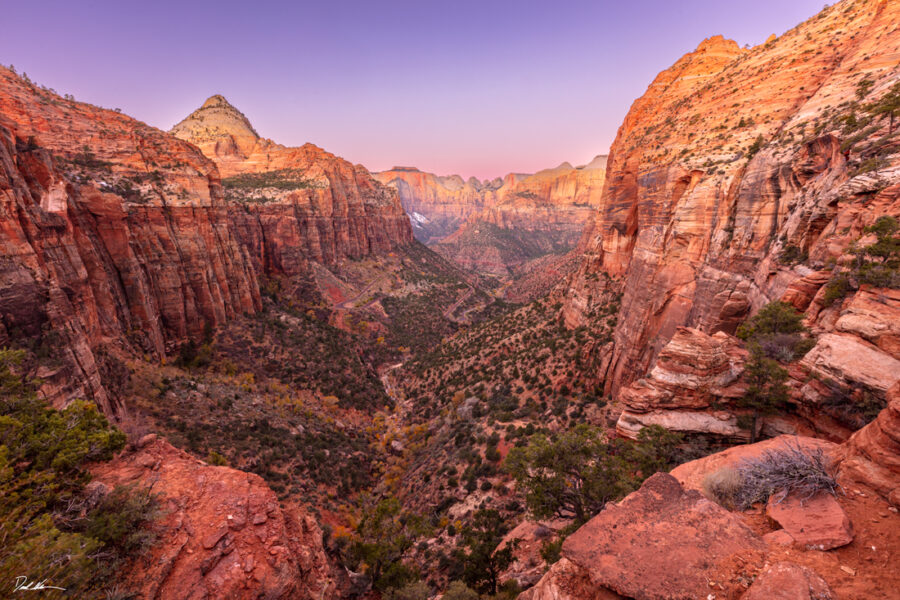
Canyon Fire – Limited Edtion Fine Art Print of 6 – Derek Nielsen Photography
Nature Helps Us See the Bigger Picture
One of the greatest gifts nature offers is perspective. Standing beneath giant sequoias that have lived for over 2,000 years has a remarkable way of shrinking today’s problems. Standing on the edge of a massive canyon like the ones found in Zion National Park or watching waves crash against ancient cliffs reminds us that the Earth has been changing for millions of years. Seeing stars from a truly dark sky makes us realize how small, and how connected, we really are.
These moments don’t diminish our lives; they enrich them. They remind us that we are part of something much larger than ourselves.
Why Photography Deepens Our Connection
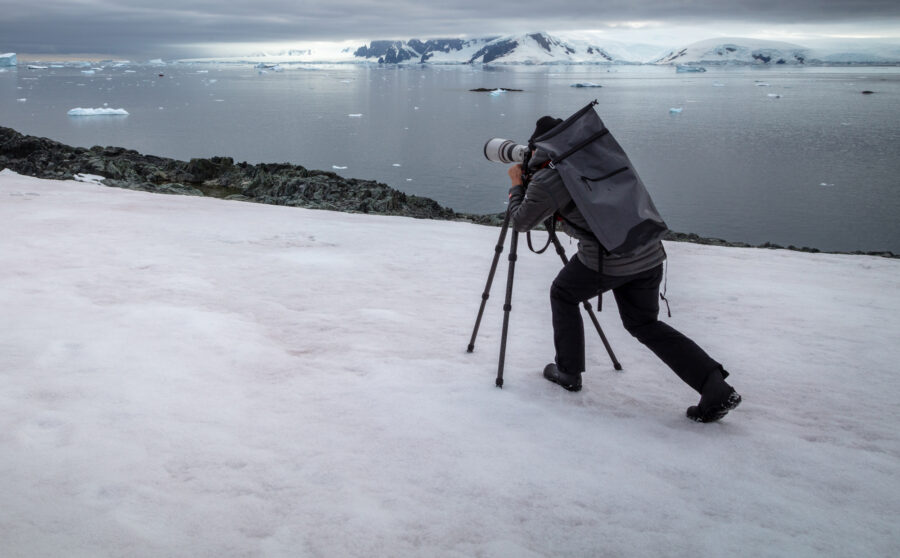
Photography has an extraordinary ability to slow us down. The best photographers are not simply looking at nature, they are observing it. To create meaningful images, they must notice subtle changes in light, weather, color, movement, and behavior.
Over time, you begin noticing how fog transforms a forest, how sunlight shifts throughout the day, how birds interact with one another, and how wind shapes grasslands. Photography encourages mindfulness. Instead of rushing through a landscape, it invites us to become present within it. The camera becomes less about documenting a place and more about experiencing it.
Ironically, many of the strongest photographs are created not because photographers arrive at the perfect location, but because they remain patient enough to truly see what is already there, then capture it at the right time.
The Growing Problem of Nature Deficit
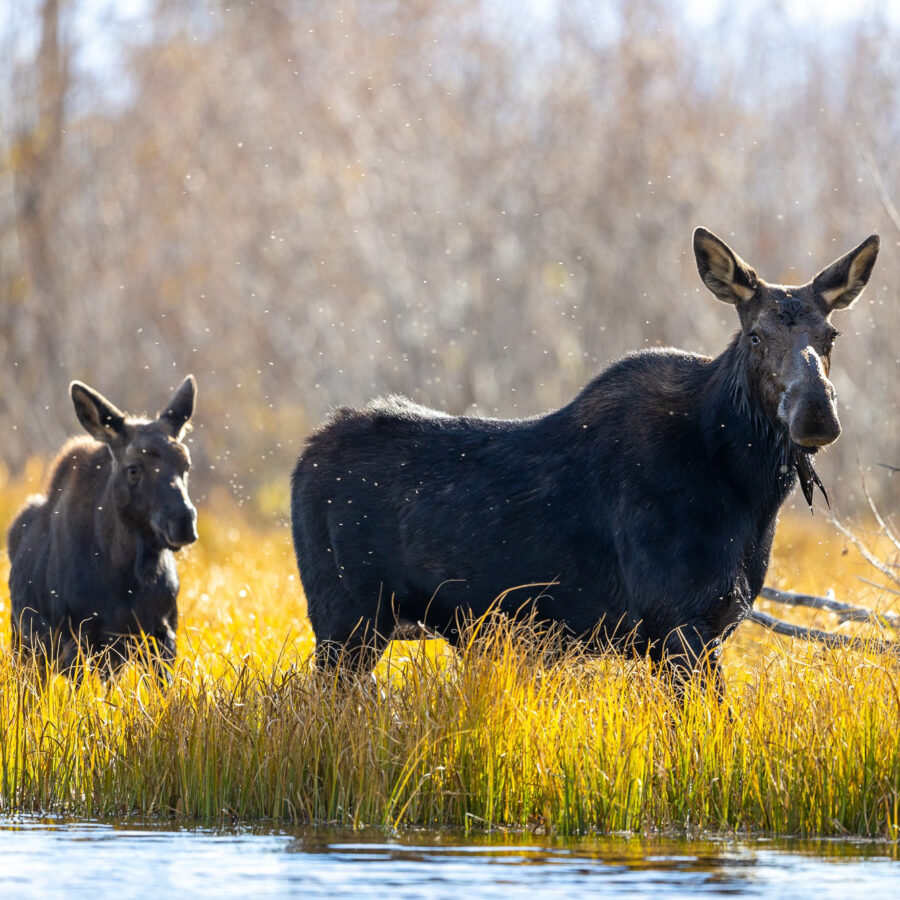
Children today spend dramatically less time outdoors than previous generations, and adults are not much different. Many people work indoors, commute indoors, exercise indoors, and relax indoors. While technology has created incredible opportunities, it has also replaced many of the spontaneous outdoor experiences that once shaped childhood.
Researchers have even coined the phrase Nature Deficit Disorder to describe the consequences of reduced interaction with natural environments. While not a medical diagnosis, the term captures an important reality: when we lose touch with nature, we often lose touch with ourselves.
Conservation Begins with Connection
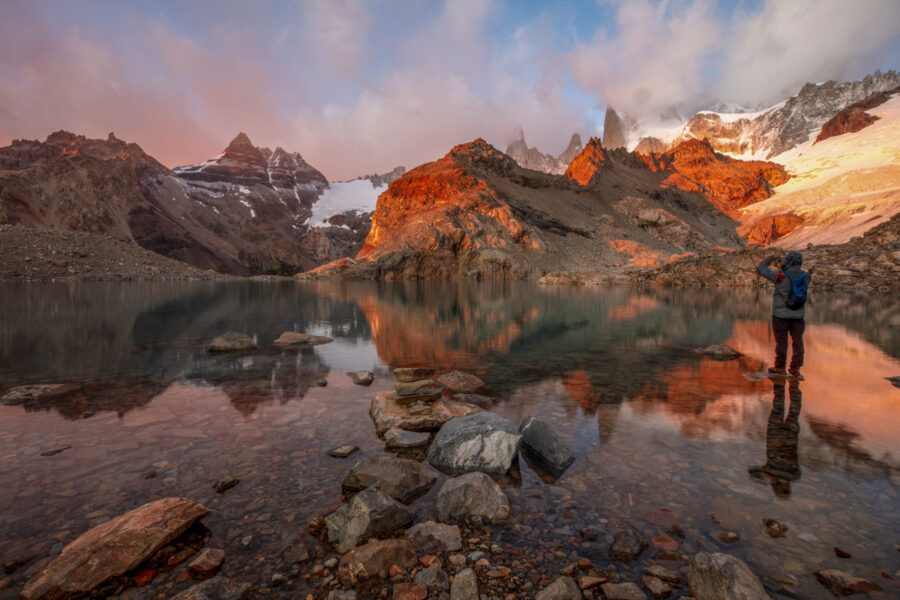
People often assume conservation starts with legislation, scientific research, or fundraising. Those things matter, but conservation usually begins much earlier. It begins with wonder.
A child watching monarch butterflies, a family visiting a national park, a photographer spending hours waiting for wildlife, or a traveler experiencing coral reefs for the first time, all of these moments create emotional investment. And emotional investment leads to action.
When people feel connected to a place, they are more likely to protect it. This is one reason photography has become such a powerful conservation tool. Images create emotional bridges between people and places they may never personally visit. A photograph of an emperor penguin colony can inspire someone thousands of miles away to care about Antarctica, while a portrait of a mountain gorilla can help people understand why protecting tropical forests matters. Photography transforms distant issues into personal ones.
Nature Is Good for Our Mental Health
Modern life often rewards constant productivity, but our minds were never designed to operate at full speed all the time. In a time when anxiety, burnout, and depression are increasingly common, this imbalance has become more than just a lifestyle issue, it has become a mental health crisis for many people. Nature offers something increasingly rare: stillness.
Research consistently shows that spending time outdoors reduces symptoms of anxiety and depression while improving focus and emotional resilience. Even a brief walk through a local park can lower stress levels, slow racing thoughts, and improve cognitive function. For people feeling overwhelmed, nature doesn’t demand anything in return, it simply allows the nervous system to settle.
In a world where many people feel constantly “on,” nature becomes one of the few places where we are not expected to perform, respond, or produce. There are no notifications in a forest, no deadlines in a field, no comparison in a quiet sunrise. This absence of pressure can be profoundly healing for a mind that is overstimulated and exhausted.
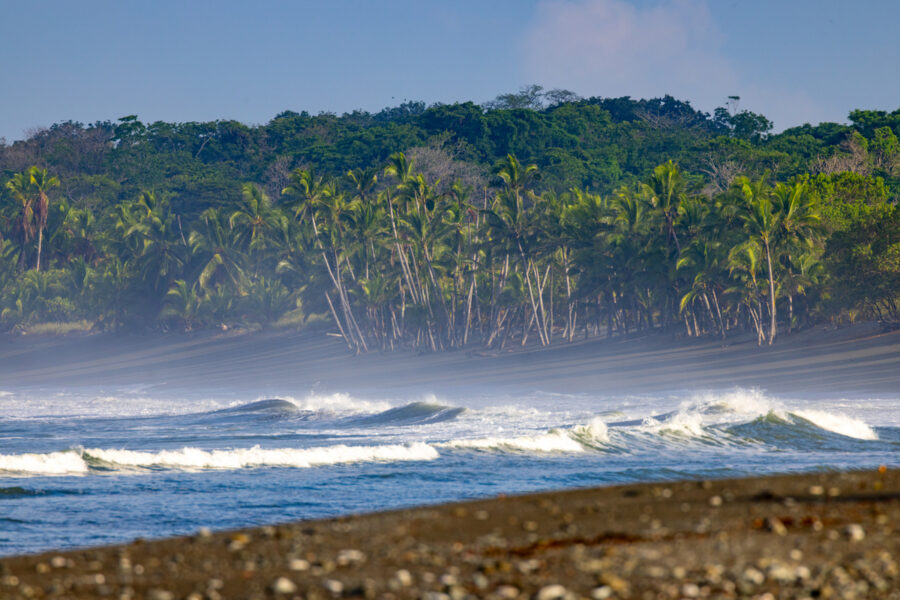
Nature also gently restores something many of us are losing: the ability to be present. When you are watching waves roll onto a shore or listening to wind move through trees, your attention naturally returns to the moment you are in. For people struggling with anxiety, this shift away from future worries and past regrets can be deeply grounding.
Nature reminds us that life continues beyond our inboxes and calendars, and that we are allowed to step out of the cycle of constant urgency. In doing so, it offers not just escape, but recovery.
Sometimes, in a world where so many people are quietly struggling, that is exactly what we need.
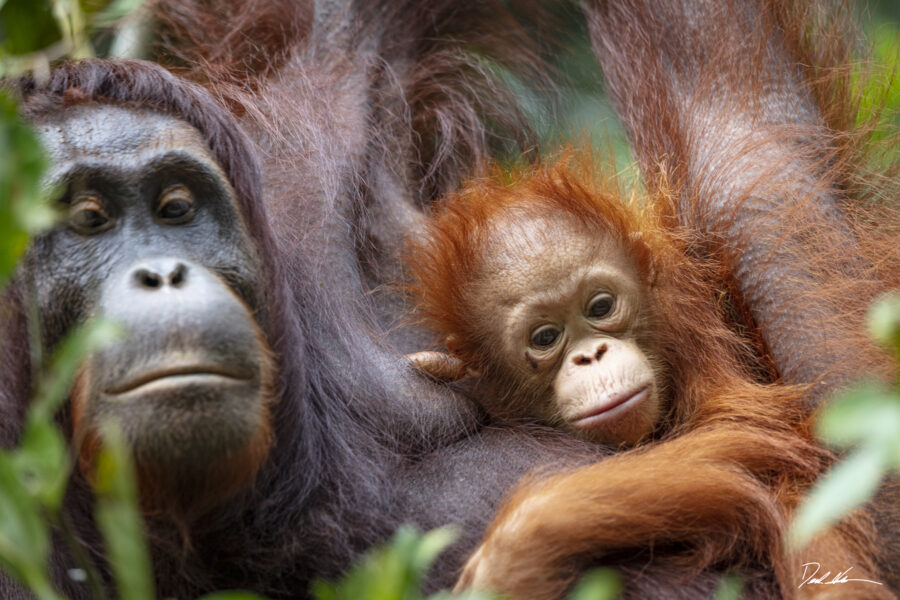
The Embrace – Limited Edition Fine Art Print of 6 – Derek Nielsen Photography
Why Conservation Photography Matters
Throughout history, photographs have changed public opinion, influenced legislation, exposed injustice, and inspired movements. Conservation photography continues this tradition.
Unlike statistics alone, photographs communicate emotionally. They show not only what exists, but what could be lost. Influential conservation photographers such as Ansel Adams, Cristina Mittermeier, and Frans Lanting used their cameras to advocate for wilderness protection, demonstrating that beauty itself can become a powerful argument for preservation.
This philosophy continues to shape my own work. Every photograph represents more than a destination; it represents a living ecosystem, a story, and a reminder that these places deserve protection.
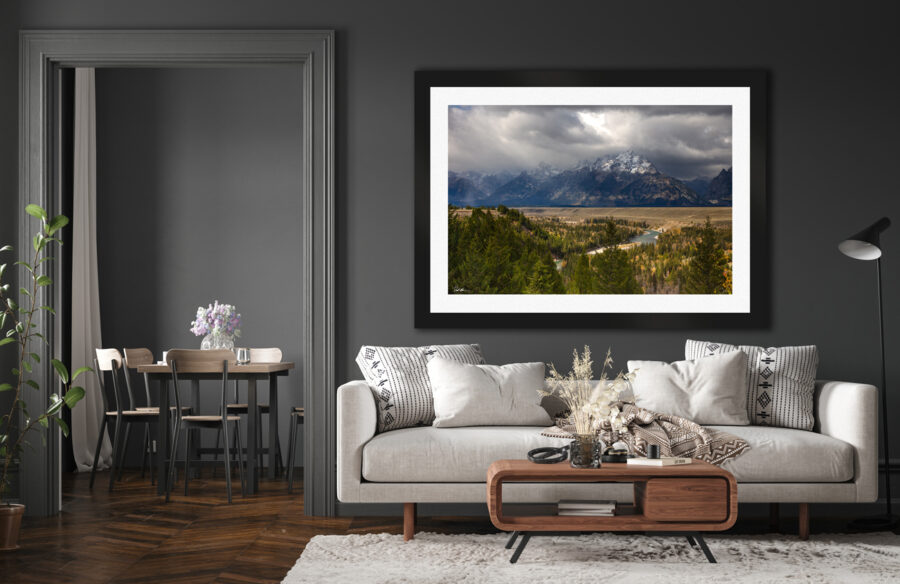
The Mountains Call – Limited Edition Fine Art Print of 50 – Derek Nielsen Photography
Bringing Nature Into Our Homes
Not everyone can travel to Patagonia, the Serengeti, or the Arctic, but photography allows us to experience these places every day. The artwork we choose influences how we feel within our homes.
Research has shown that images of nature can reduce stress, improve concentration, and create a greater sense of calm. This is one reason landscapes remain among the most collected forms of fine art worldwide. Unlike decorative trends that come and go, nature photography carries timeless emotional appeal.
A mountain landscape reminds us of adventure, a quiet forest encourages reflection, ocean imagery creates serenity, and wildlife photographs inspire curiosity. Fine art photography becomes more than decoration, it becomes a daily reminder of the beauty that exists beyond our walls.
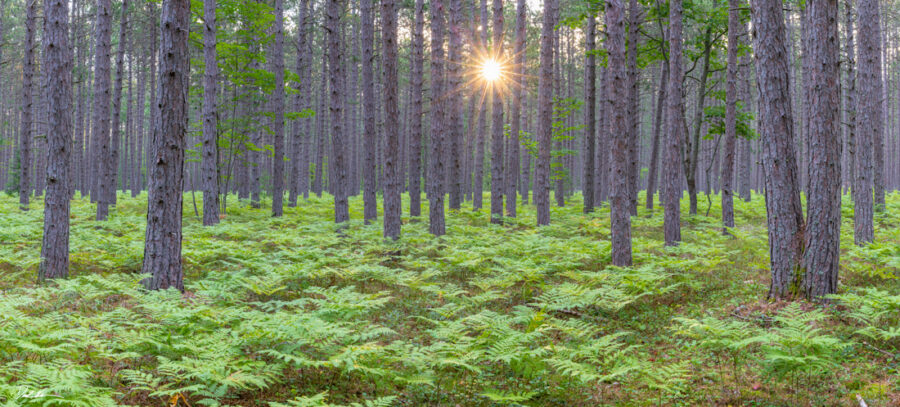
Soul Food – Limited Edition Fine Art Print of 6 – Derek Nielsen Photography
Small Experiences Create Lasting Change
Reconnecting with nature doesn’t require an international expedition. It can begin much closer to home.
Visit a nearby forest preserve, watch the sunrise once a week, plant native flowers, take your camera on a morning walk, or leave your phone in your pocket for twenty minutes. Notice the birds, listen to the wind, and observe the changing seasons.
These seemingly small moments gradually rebuild a relationship that many of us didn’t realize we were missing. Nature does not ask us to accomplish anything; it simply asks us to be present.
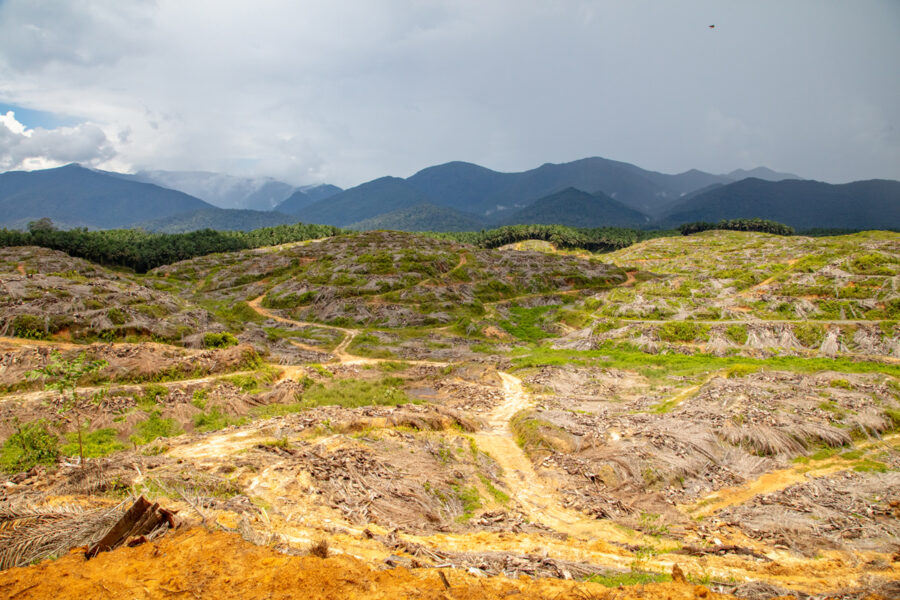
Endless palm oil plantation where jungle once stood
Why This Matters More Than Ever
Climate change, habitat loss, declining biodiversity, plastic pollution, and water scarcity can feel overwhelming. Yet one thing remains consistently true: people are far more likely to support conservation when they have personally experienced the beauty they are trying to protect.
Facts inform us. Stories move us. Experiences transform us. That is why maintaining our connection to nature is not only good for our health, it is essential for the future of conservation itself.
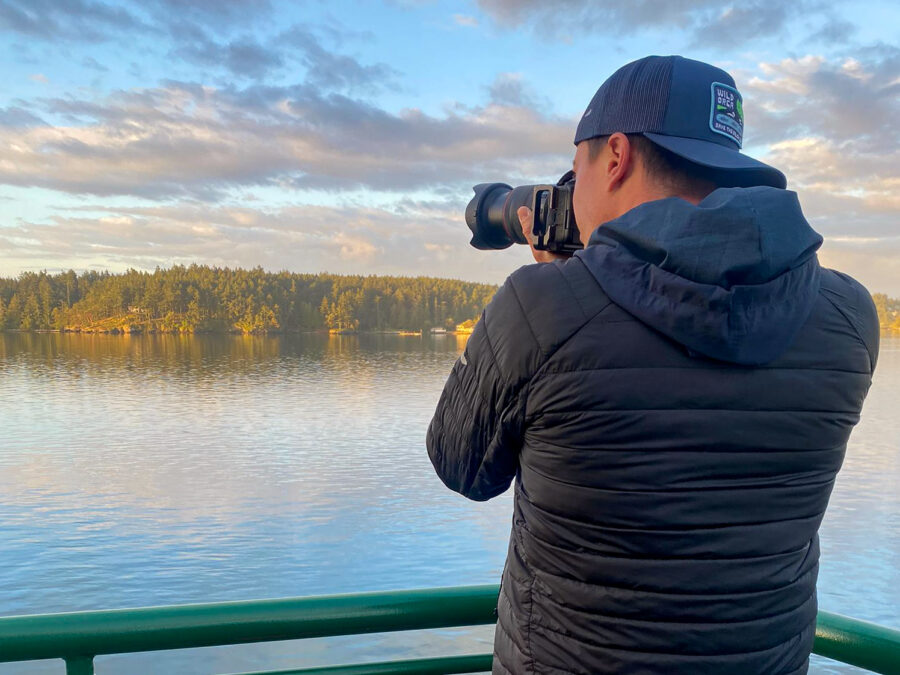
The Responsibility of Photographers
As photographers, we occupy a unique position. We are observers, storytellers, educators, and advocates. Every image we create has the potential to shape how others see the world.
This responsibility extends beyond creating beautiful compositions. It means photographing ethically, respecting wildlife, supporting local communities, leaving places better than we found them, and using our work to inspire appreciation rather than exploitation.
Photography cannot solve every environmental challenge, but it can inspire the people who will.
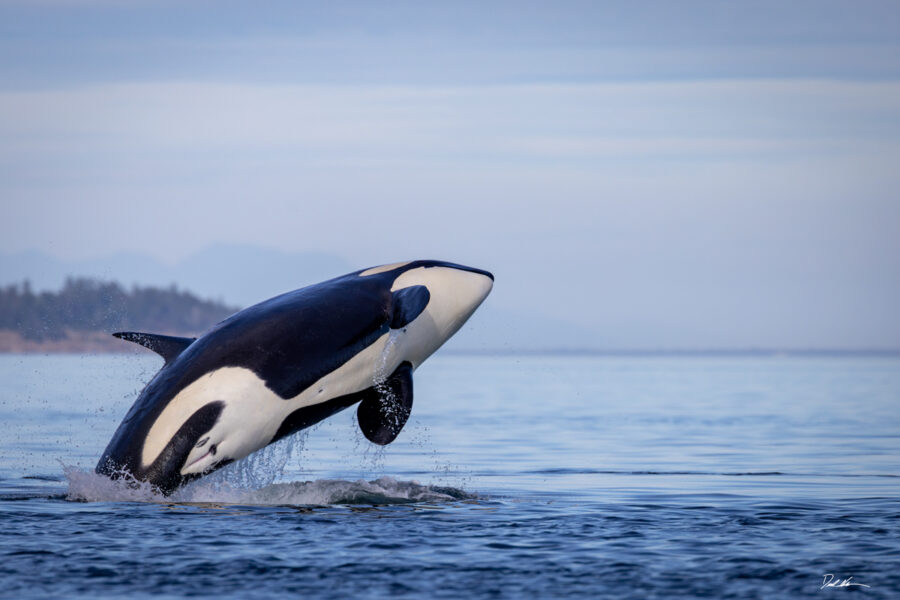
Happiness – Limited Edition Fine Art Print of 6 – Derek Nielsen Photography
Final Thoughts
The modern world moves at an extraordinary pace. Technology continues to reshape nearly every aspect of our lives, and in many ways, it has made us more connected than ever before. Yet some of our most meaningful connections cannot be found through a screen. They are found standing beneath towering trees, watching waves roll onto a quiet beach, watching an orca jump out of the ocean, looking into the eyes of a wild animal, and feeling insignificant beneath a sky full of stars. Nature reminds us where we came from. It teaches patience, resilience, humility, and wonder. It slows us down just enough to remember what truly matters. As a conservation photographer, I believe every image has the potential to create that connection. My hope is not simply that people enjoy beautiful photographs, but that they become curious about the places they depict, inspired to visit them responsibly, and ultimately motivated to help protect them. Because in the end, the greatest value of nature isn’t found in the photographs we bring home. It’s found in ensuring those wild places remain alive, for ourselves, for future generations, and for every species that calls them home. When we reconnect with nature, we don’t just rediscover the world around us. We rediscover a part of ourselves.
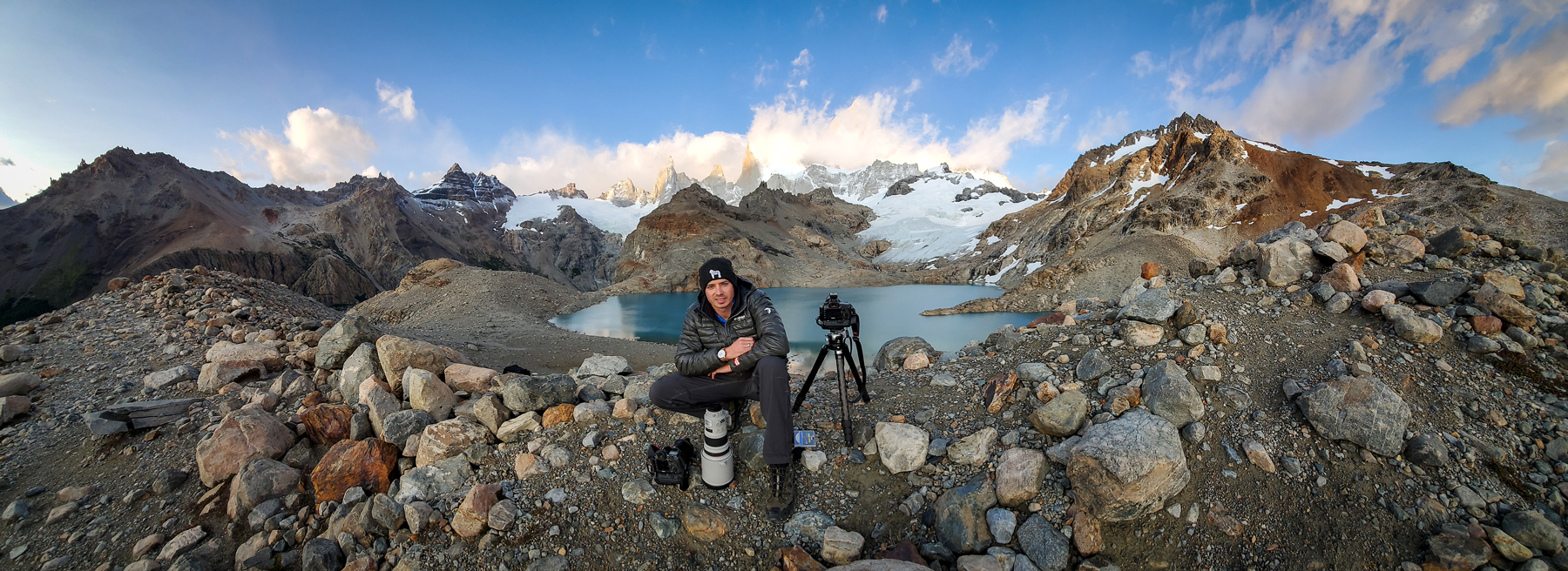
Hello! I'm Derek.
DEREK NIELSEN PHOTOGRAPHY RAISES AWARENESS ABOUT THE GLOBAL NEED FOR CONSERVATION THROUGH PHOTOGRAPHY AND DONATES UP TO 15% OF ALL SALES BACK TO ENVIRONMENTAL ORGANIZATIONS AROUND THE WORLD.