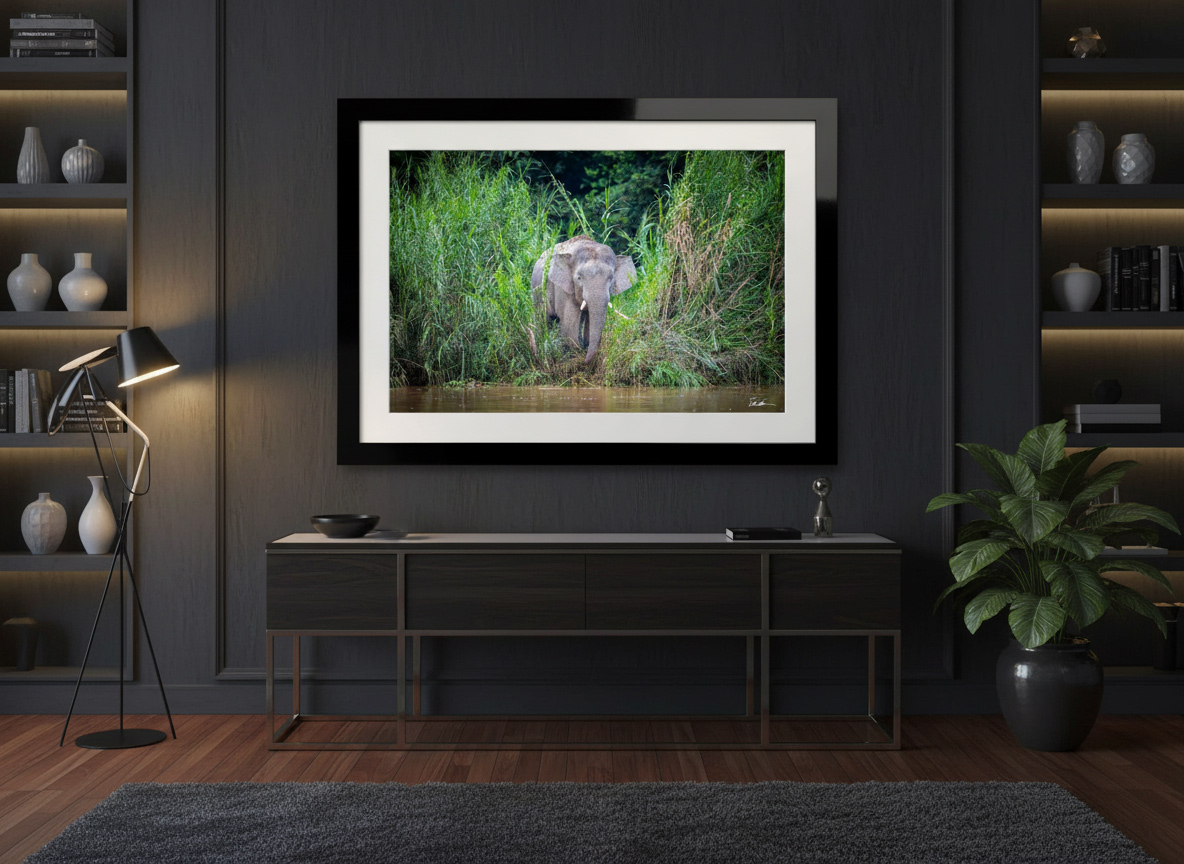
There is a difference between decorating a wall and transforming a space. Anyone can buy mass-produced art online. It arrives in a box, fills an empty space, and blends into the background. But wildlife fine art photography, when chosen intentionally, does something entirely different. The fine art print introduces presence. It brings scale, stillness, tension, movement, and story. It invites the outside world into your home in a way that feels grounded rather than chaotic.
For many of my collectors, wildlife art is not just aesthetic; it’s a reminder of something larger than themselves. If you’re considering wildlife photography for your home, this guide will help you choose pieces that feel intentional, elevated, and enduring.
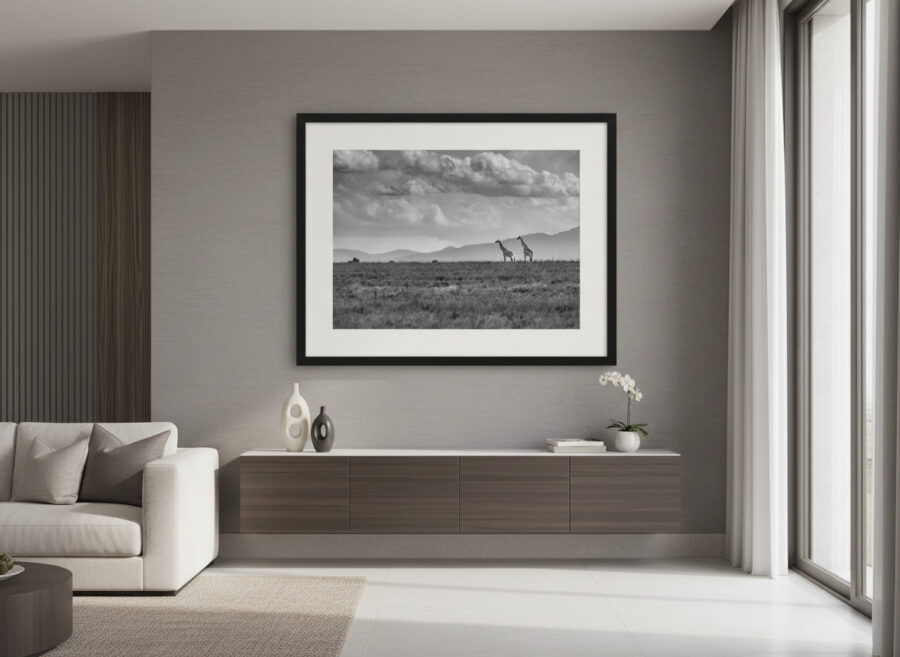
Above It All – Fine Art Limited Edition Photograph of 6 – Derek Nielsen Photography
Why Wildlife Photography Works in Modern Interiors
Modern interiors tend to lean toward clean lines, open space, and neutral palettes. Wildlife photography complements this beautifully for three reasons:
1. It Adds Organic Contrast
Contemporary spaces often feature metal, glass, and sharp architectural lines. Wildlife introduces texture, fur, feathers, ice, wind, and dust. It softens the geometry of a space without cluttering it.
A black-and-white portrait of a mountain gorilla can anchor a minimalist room. A lone elephant crossing a vast plain adds grounded weight to an open-concept space.
2. It Brings Emotional Depth
Unlike abstract art, wildlife imagery often carries narrative energy. A leopard mid-step. A grizzly in snowfall. Emperor penguins in Antarctic light.
There is a story in their eyes.
And a story is what turns a room into a lived space.
3. It Feels Timeless
Design trends change. Wildlife does not.
A powerful animal portrait or expansive landscape does not age the way trend-based art can. It evolves with the space.
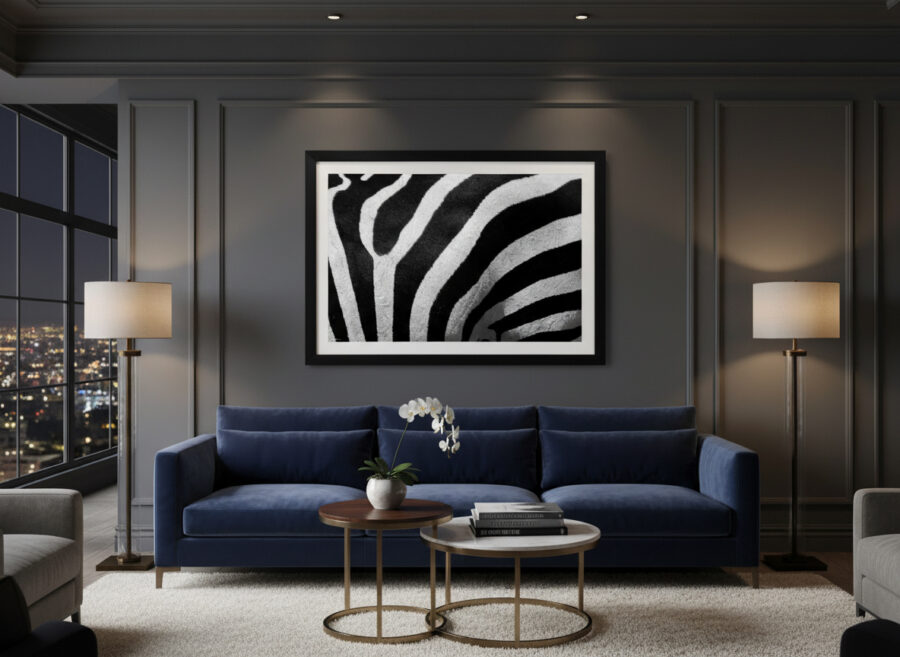
African Waves – Limited Edition Fine Art Print of 6 – Derek Nielsen Photography
Step 1: Start with the Feeling You Want the Room to Hold
Before choosing a photograph, step back from the image itself.
Ask:
– Do I want this room to feel calm?
– Bold?
– Grounded?
– Expansive?
– Dramatic?
– Reflective?
Wildlife imagery carries an emotional tone. A moody Arctic scene feels entirely different than a golden savannah at dusk.
When collectors reach out, I often ask them to describe the room’s energy. The art should reinforce that feeling, not fight it.
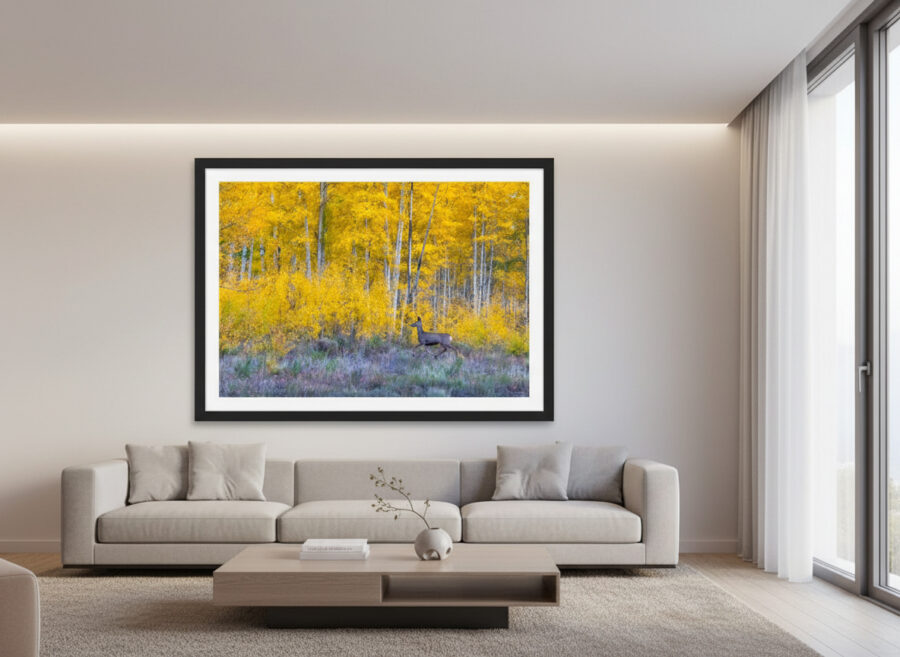
Prancing Aspens – Limited Edition Fine Art Photograph of 6 – Derek Nielsen Photography
Step 2: Consider Scale, The Most Common Mistake
The number one mistake I see in art selection is choosing a piece that is too small.
Modern homes, especially those with open walls and high ceilings, require scale.
A 24×36 print above a large sectional sofa will often feel undersized. A 40×60 or larger statement piece may be more appropriate.
General Sizing Guidelines
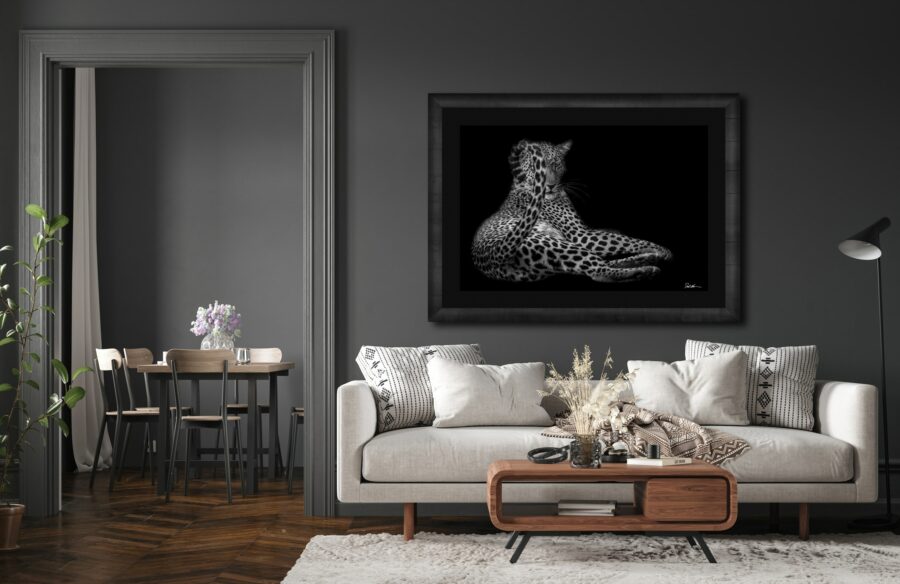
– Above a sofa: Art should span 60–75% of the sofa’s width.
– Above a bed: 50–75% of bed width.
– Large open wall: Go bold. Statement pieces create impact.
– Narrow hallway: Vertical orientation works beautifully.
Wildlife photography thrives at larger sizes because it allows detail to breathe. You see texture in fur, snow drifting in the wind, tension in muscle. Scale creates presence.
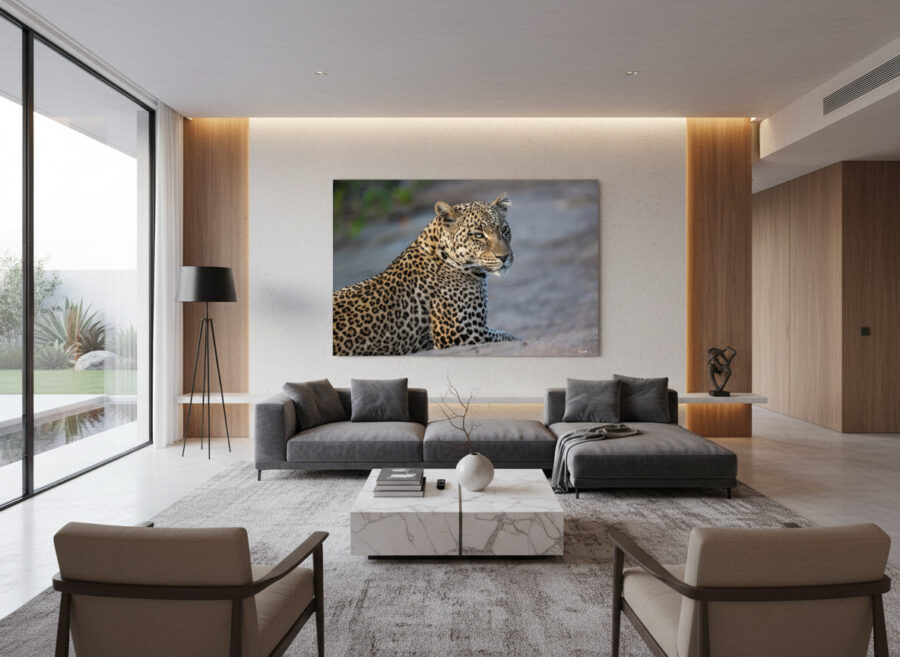
Queen Mother – Limited Edition Fine Art Print of 6 – Derek Nielsen Photography
Step 3: Choose the Right Medium
The medium dramatically affects how wildlife art feels in a space.
Here’s how to think about it:
Metal Prints
– Modern, sleek, frameless
– High vibrancy and contrast
– Durable and contemporary
– Ideal for minimalist interiors
Metal enhances drama, great for bold wildlife portraits.
Acrylic
– Deep gloss and dimensionality
– Rich blacks and luminous highlights
– Museum-quality feel
Acrylic is stunning for high-contrast pieces like snow leopards or city-lit winter landscapes.
Fine Art Paper (Framed)
– Timeless, classic
– Soft texture and subtlety
– Ideal for black and white imagery
Framed fine art paper often suits traditional or transitional interiors beautifully.
The right medium should complement your design aesthetic, not compete with it.
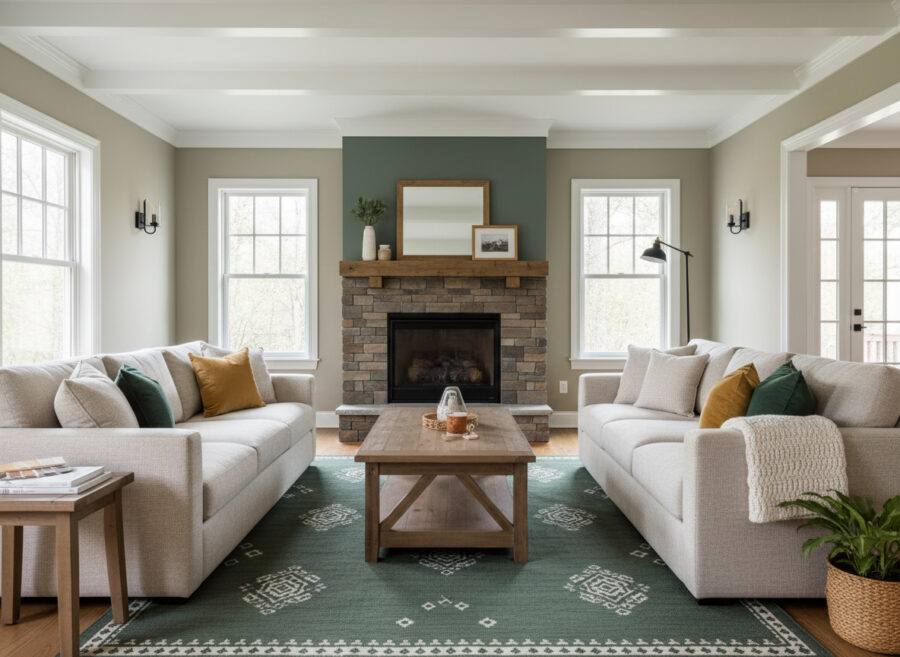
Step 4: Color Palette Considerations
Modern homes often use neutral foundations: white, beige, gray, and wood tones.
Wildlife photography can:
– Reinforce that neutrality (snow scenes, monochrome portraits)
– Or introduce a controlled pop of color (rust elephants, golden savannah, deep Arctic blue)
Look at:
– Existing accent colors
– Rug tones
– Wood finishes
– Natural light exposure
The art should feel integrated, not inserted.
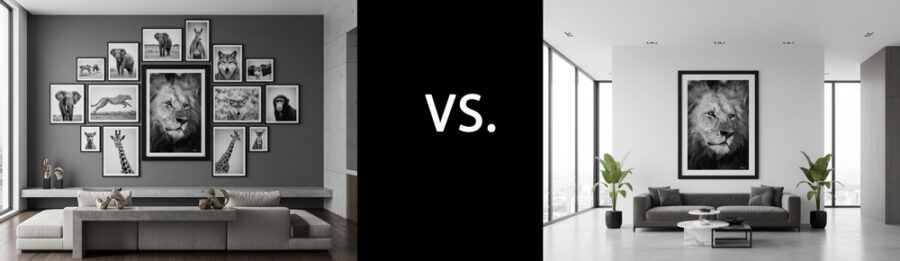
Step 5: Think About Focal Points
In modern design, less is more.
One large, powerful wildlife image often creates more impact than a cluttered gallery wall.
Fine art leopard portrait centered above a console table.
A sweeping Antarctic landscape anchoring a dining room.
A powerful bison in monochrome commanding an office.
Wildlife photography performs best when given space to breathe.
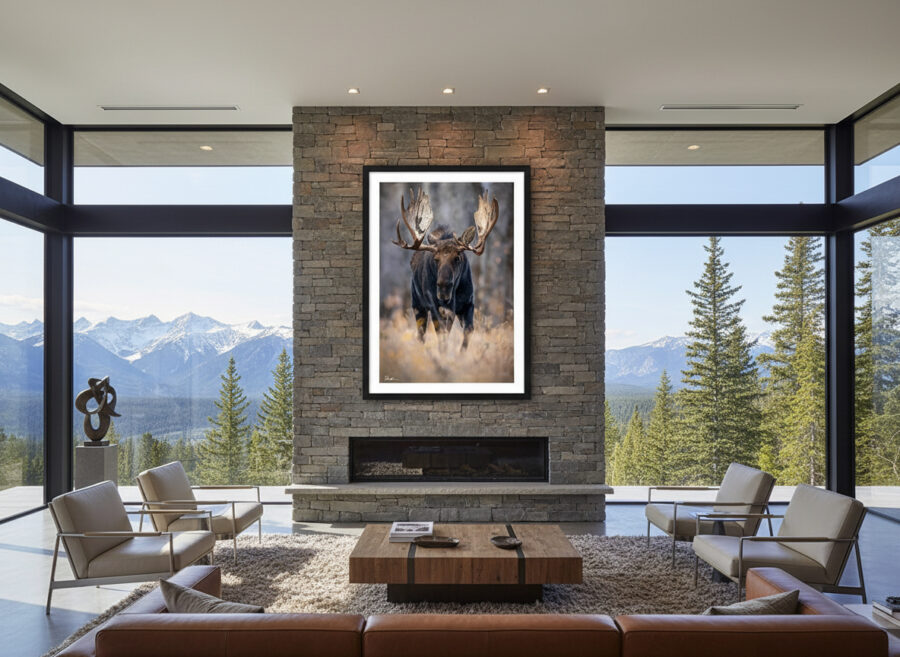
Shoshone- Limited Edition Fine Art Print of 6 – Derek Nielsen Photography
Step 6: Let the Story Matter
This is where wildlife art becomes something deeper.
Collectors often tell me they chose a piece because:
– They’ve traveled to that place.
– They feel connected to that animal.
– It represents strength.
– It symbolizes stillness.
– It reminds them of impermanence.
Wildlife is not decoration.
It is a reflection.
When you choose a piece that resonates personally, it stops being art on a wall and becomes something you return to again and again.
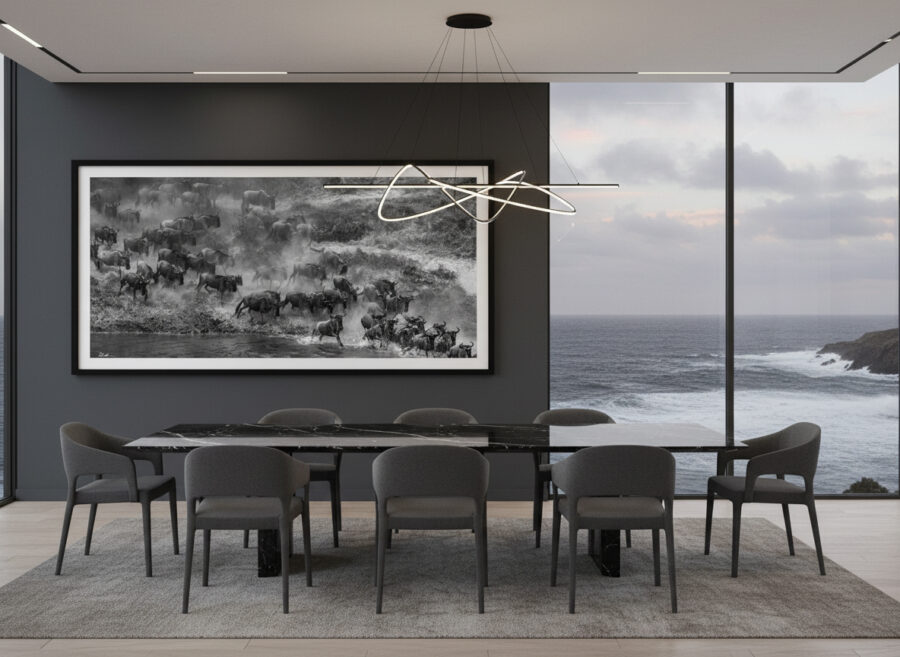
Crossing The Mara – Limited Edition Fine Art Print of 6 – Derek Nielsen Photography
Wildlife Photography by Room
Living Room
This is where you can go bold.
Large-format wildlife portraits work exceptionally well. Predators, elephants, grizzlies, animals with presence and power.
The living room often supports dramatic scale.
Bedroom
Calm is key.
Snowy landscapes. Arctic light. Soft animal portraits. Neutral tones.
The bedroom benefits from stillness.
Office
Choose strength.
A lone wolf. A soaring eagle. A powerful bison.
Wildlife art in an office can subtly communicate identity and values.
Dining Room
Expansive landscapes shine here. Pieces that open the space visually.
Antarctic horizons. African plains. Mountain silhouettes.
Limited Edition vs Open Edition: What Buyers Should Know
If you are investing in fine art photography, understanding edition types matters.
Open Edition
– Unlimited reproductions
– More affordable
– Decorative
Limited Edition
– Fixed number produced
– Signed and numbered
– Often accompanied by a certificate of authenticity
– Greater collector value
Limited editions create rarity. Rarity creates value.
For collectors building a long-term art portfolio, limited edition wildlife photography offers both aesthetic and investment considerations.
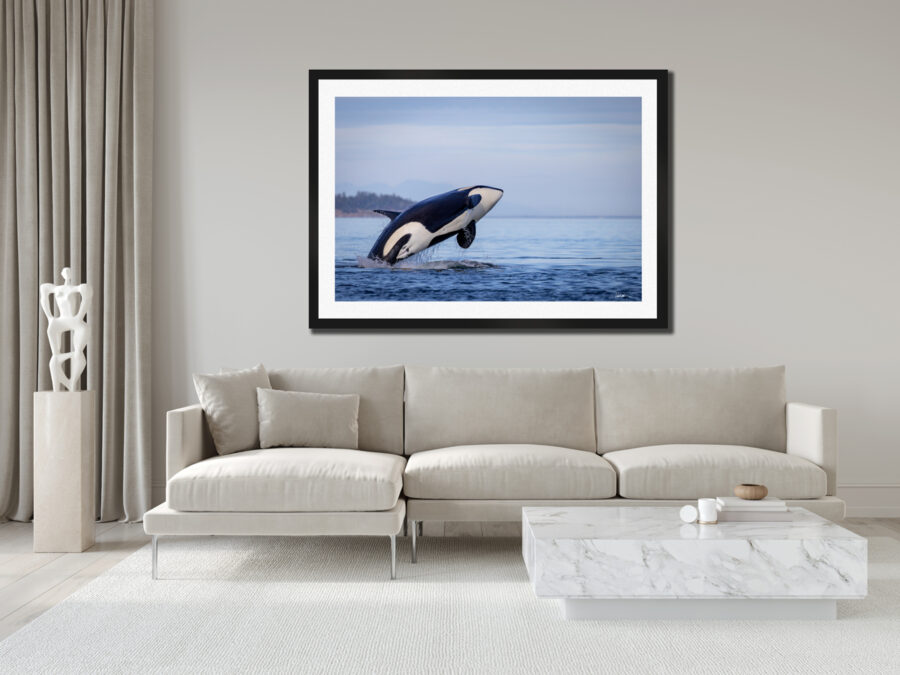
Happiness – Limited Edition Fine Art Print of 6 – Derek Nielsen Photography
Sustainability & Ethical Considerations
Wildlife photography should never come at the expense of wildlife.
Ethical practices matter:
– No baiting
– No harassment
– Respectful distance
– Working with conservation-minded operators
For many collectors, knowing the story behind the image matters as much as the image itself.
Art that honors the subject carries different energy than art that exploits it.
Why Wildlife Photography Holds Its Value
Unlike trend-driven art, wildlife imagery rooted in conservation and timeless landscapes does not date itself.
It connects to something foundational: nature.
As urbanization increases and natural spaces shrink, art that captures wild places becomes more meaningful, not less.
For many collectors, wildlife art is a reminder of:
– What still exists.
– What must be protected.
– There is something inside that calls to the wild.
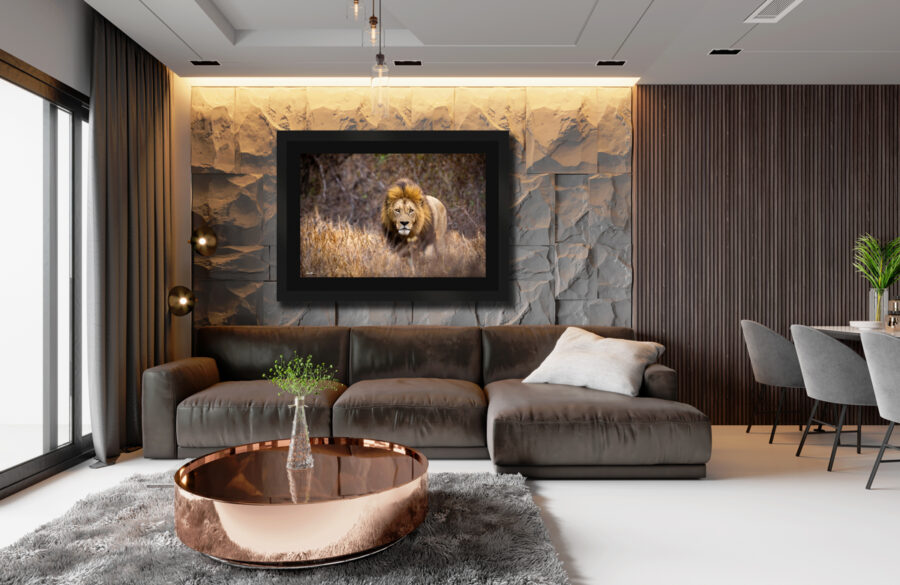
Ngoro Stare – Limited Edition Fine Art Print of 6 – Derek Nielsen Photography
Frequently Asked Questions
What size wildlife print should I buy?
When in doubt, go larger than you think. Statement scale enhances impact.
Is wildlife photography appropriate for minimalist homes?
Absolutely. Black-and-white wildlife portraits are especially powerful in modern spaces.
How do I know if a piece will work in my room?
View mockups at scale. Consider lighting. And if possible, consult directly with the artist.
Does limited edition photography increase in value?
While no art purchase is guaranteed to be an investment, limited editions create scarcity, a foundational element of collectible art markets.
Sass – Limited Edition Fine Art Print of 6 – Derek Nielsen Photography
Final Thoughts: Art as Identity
Choosing wildlife fine art photography is not just about filling a wall.
It is about choosing what you want to live with daily.
Strength.
Stillness.
Wildness.
Perspective.
In a world increasingly defined by screens, wildlife art reintroduces something real. If you are selecting a piece for your home, choose the one that stops you. The one that holds your attention. The one that feels less like decoration and more like presence. Because the right piece does not just change a room. It changes how that room feels. If you are interested in exploring available limited edition wildlife prints, you can view the current collection here:
Wildlife Collection
Or if you would like guidance on selecting the right piece for your space, I offer short collector consultations to help you choose scale, medium, and placement. Art should feel intentional. And when chosen well, it becomes something you live with, not just look at.
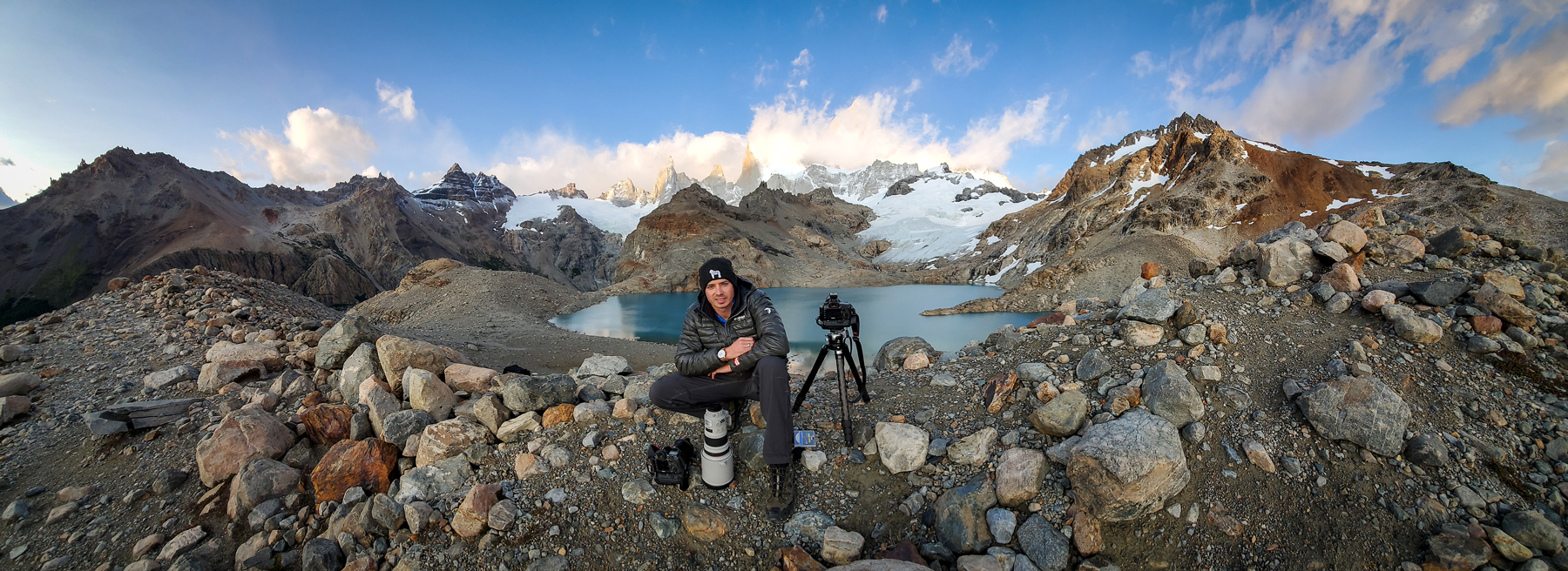
Hello! I'm Derek.
DEREK NIELSEN PHOTOGRAPHY RAISES AWARENESS ABOUT THE GLOBAL NEED FOR CONSERVATION THROUGH PHOTOGRAPHY AND DONATES UP TO 15% OF ALL SALES BACK TO ENVIRONMENTAL ORGANIZATIONS AROUND THE WORLD.